Slovenian cities are turning to greener urban planning as experts warn that more green spaces could help reduce extreme summer heat and improve living conditions. The green spaces in Slovenian cities are becoming an important solution as temperatures continue rising and urban areas experience longer heat waves.
Research shows that paved surfaces such as concrete squares, streets, and parking areas can become significantly hotter than locations with trees, grass, and vegetation. In some cases, exposed paved areas can reach temperatures around four degrees Celsius higher than nearby parks because concrete and asphalt absorb and store heat throughout the day.
How Green Areas Help Cool Cities
The temperature difference becomes especially noticeable during heat waves, when cities experience the so-called urban heat island effect. Buildings, roads, and other artificial surfaces trap heat, causing urban areas to remain warmer than surrounding rural locations even after sunset.
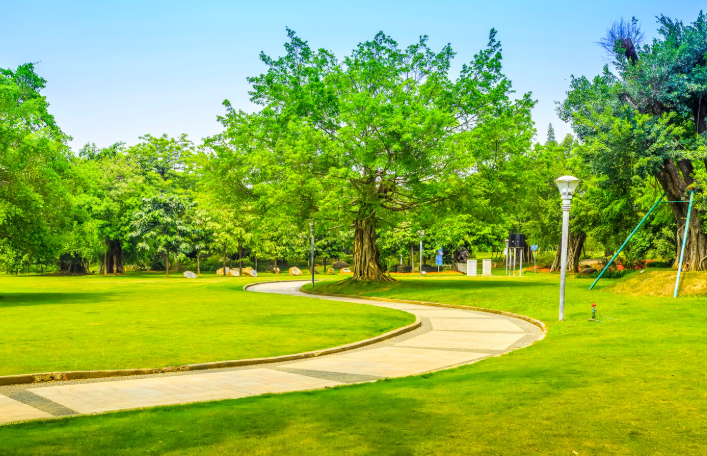
Adding more trees, parks, and vegetation can help lower temperatures by providing shade and releasing moisture into the air. Experts say that urban greenery can also improve air quality, support healthier environments, and make public spaces more comfortable during periods of extreme heat.
Many European cities have already started redesigning urban areas by replacing some paved surfaces with greenery, planting additional trees, and creating shaded spaces where residents can escape high temperatures.
Slovenia Looks Toward Climate Adaptation
The discussion about green spaces in Slovenian cities is becoming increasingly important as residents face longer periods of hot weather. Experts say future urban development should focus more on green infrastructure instead of relying mainly on concrete and asphalt.
While greenery alone cannot prevent rising global temperatures, specialists believe it is one of the simplest and most effective ways cities can adapt to climate change. Expanding parks, trees, and natural areas could help Slovenian cities become cooler and more resilient during future summers.