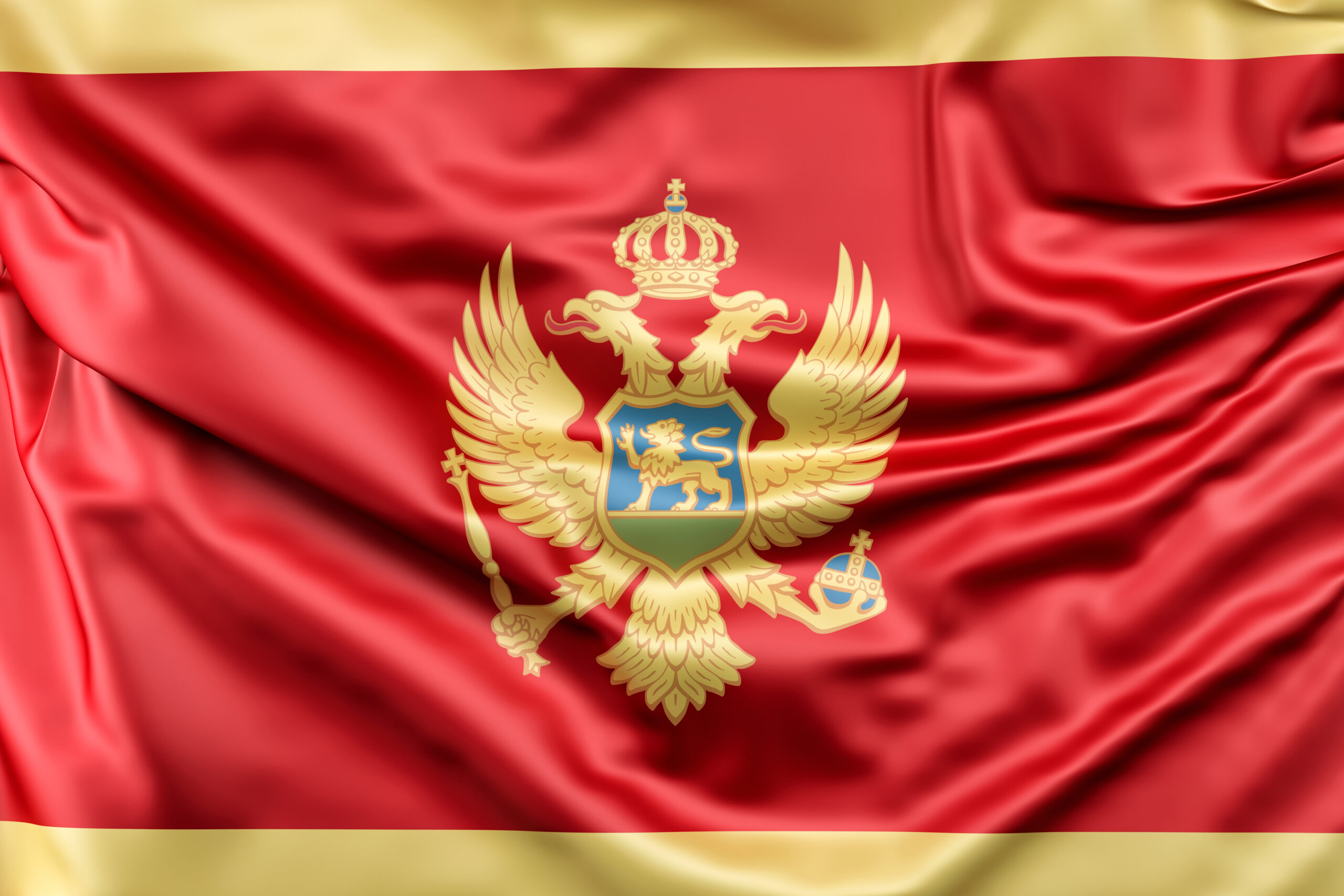
Brussels is beginning practical preparations for the possible future inclusion of Montenegrin as an official EU language as Montenegro continues to advance toward membership. The EU Council’s legal service is reportedly looking for language assistants who can help prepare Montenegro’s accession treaty and translate legislation, marking an important step in the country’s long running integration process.
The development comes as Montenegro strengthens its position as the leading EU candidate in the Western Balkans. The country has opened all 33 negotiating chapters, and the EU provisionally closed two more in July 2026, bringing the total to 18. The European Commission has also said that work is advancing on the accession treaty, while Montenegro continues to pursue an ambitious timetable for joining the bloc.
If Montenegro eventually becomes an EU member, Montenegrin would be expected to join the Union’s official languages. The EU currently has 24 official languages, and its rules require EU legislation and other key documents to be made available across the Union’s linguistic system. Every official language has equal status, meaning a future Montenegrin addition would carry both practical and symbolic significance.
Montenegrin Language and the EU Translation System
The language issue is particularly interesting because Montenegrin is closely related to Serbian, Croatian and Bosnian. Speakers of these South Slavic languages can generally understand one another to a high degree, although there are differences in vocabulary, pronunciation, grammar and standardization. Despite those similarities, EU institutions would still need to treat Montenegrin as a distinct official language if Montenegro joins the bloc.
That would create a substantial administrative task. EU institutions already operate one of the world’s largest public translation systems, with the European Commission providing translation services across 24 official languages. The system exists not simply for convenience, but to ensure that citizens can understand legislation, policies and their rights in their own official language.
The scale of the EU’s multilingual system also explains why preparations begin before a country actually becomes a member. With 24 official languages, there are already 552 possible language combinations for translation and interpretation. Adding another language would increase that number considerably and require additional translators, interpreters, terminology specialists and legal language experts.
For Montenegro, the process could also create new professional opportunities. Montenegrin officials have described the emerging positions in Brussels as an opening for citizens with the necessary language and legal skills to build careers within EU institutions. Such jobs would require more than simply speaking Montenegrin, as EU legal translation involves highly specialized terminology and precise wording.
The question of which script would be used has also attracted attention. Montenegro officially recognizes both Latin and Cyrillic scripts, although Latin is more widely used in many areas of public communication. According to the report, EU documents would be prepared using the Latin script, a choice with a practical dimension given that EU institutions already work extensively with Latin script languages.
Montenegro’s EU Accession Moves Into a New Phase
Montenegro’s progress toward membership gives the language debate a wider significance. In June and July 2026, the country provisionally closed several additional negotiating chapters, including areas covering workers’ freedom of movement, consumer and health protection, competition policy and the customs union. The European Commission says Montenegro has maintained strong momentum and remains the frontrunner among EU enlargement candidates.
Still, the recruitment of translators should not be interpreted as meaning that membership is guaranteed or imminent. EU accession remains conditional on Montenegro completing the negotiations, meeting the necessary standards and receiving the required approval from the EU and its member states. Chapters provisionally closed during negotiations are not considered final until an overall agreement on accession has been reached.
The language question also reflects the political sensitivity surrounding national identity in the Western Balkans. Language standards in the region have long been connected with questions of identity, history and statehood. In Montenegro, the recognition and institutional use of Montenegrin has developed alongside the country’s independent state institutions, while the close relationship between the language and neighboring standards continues to generate debate.
For the EU, however, the principle is relatively straightforward, membership brings linguistic rights alongside political and economic responsibilities. The Union’s multilingual model is designed to protect linguistic diversity and ensure that citizens can communicate with European institutions in their own official language.
The hiring of Montenegrin language specialists is therefore more than a recruitment story. It is a practical sign that Brussels is preparing for the possibility of Montenegro becoming a member and that the country’s accession process is moving from broad political ambitions toward increasingly detailed legal and administrative preparations. Much work remains before membership becomes reality, but the appearance of Montenegrin in the EU’s institutional planning would be a notable milestone for Montenegro and for the wider Western Balkans.