U.S. President Donald Trump described separate meetings with Ukrainian President Volodymyr Zelenskiy and Israeli Prime Minister Benjamin Netanyahu as positive, as Washington faces major challenges surrounding the wars in Ukraine and Iran.
Both leaders were in Washington to attend a memorial service for the late Senator Lindsey Graham, a prominent Republican supporter of both Ukraine and Israel.
Trump gave few details about the discussions, but the meetings carried significant diplomatic weight.
Zelenskiy used his visit to focus on strengthening Ukraine’s air defenses and deepening strategic cooperation with the United States.
Ukraine is particularly interested in expanding its ability to produce Patriot missile interceptors and in restarting diplomatic efforts aimed at ending Russia’s war against the country.
Trump Meetings With Zelenskiy and Netanyahu Focus on Conflicts
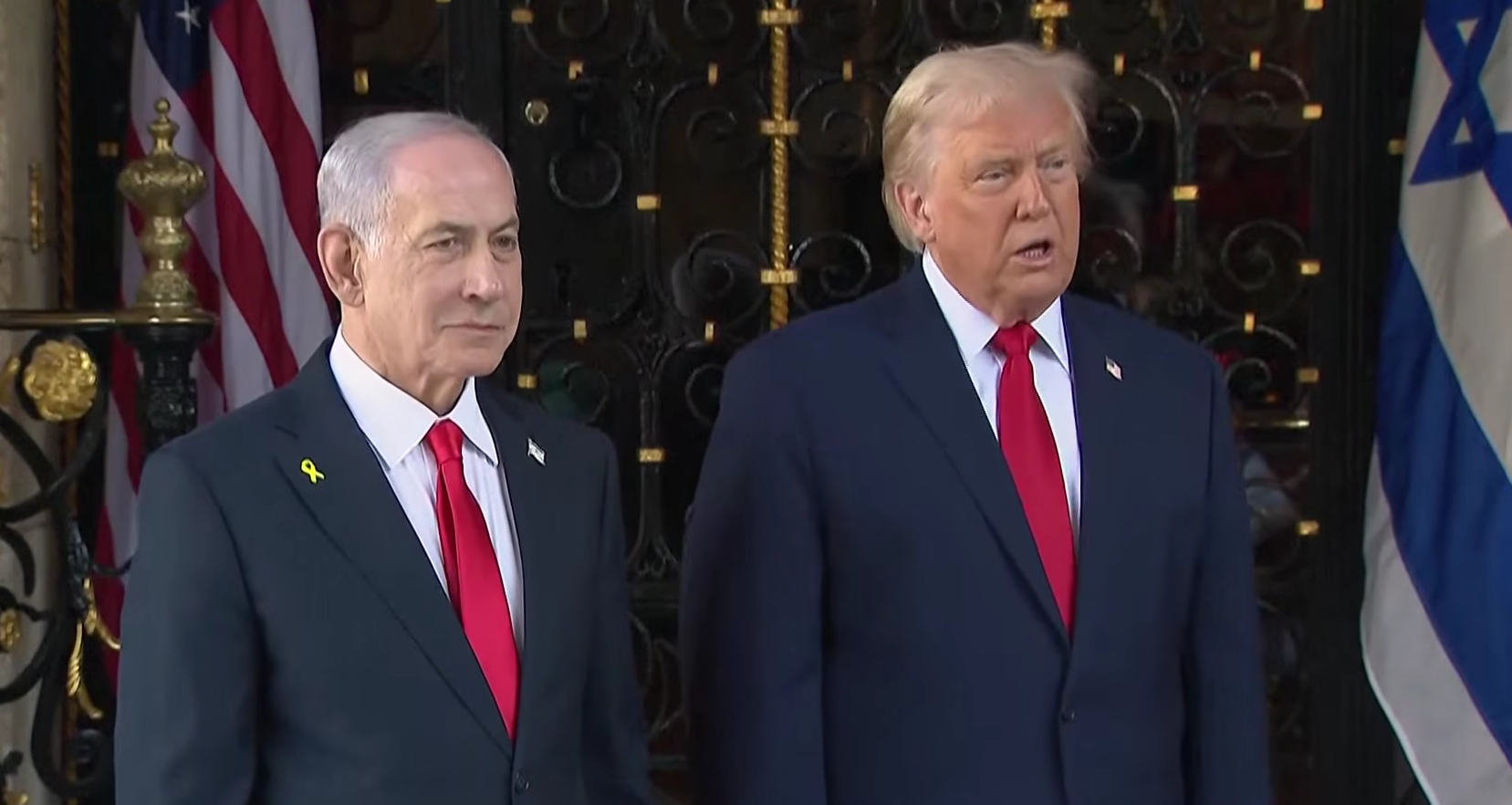
The meeting with Netanyahu came at a more complicated moment in U.S.-Israeli relations.
It was the first face-to-face meeting between the two leaders since the United States and Israel launched military action against Iran in February.
Their discussions were expected to include Iran, the situation in Lebanon and efforts to expand the Abraham Accords.
Trump and Netanyahu have remained close allies, but disagreements over the direction of the conflict have created tensions between them.
Both Trump and Netanyahu are also facing political pressure at home.
Netanyahu is approaching an Israeli election while dealing with criticism over the continuing regional conflicts.
Trump, meanwhile, faces pressure to manage the Iran conflict while also pursuing his administration’s stated goal of ending the war in Ukraine.
The two meetings therefore offered an opportunity for Trump to coordinate with two key partners while presenting a more cooperative tone.
Although Trump called both meetings successful, the limited information released means that major questions remain unresolved.
For Ukraine, the key issue is whether Washington will provide further practical support for air defense and help advance negotiations with Russia.
For Israel, attention remains focused on Iran and the wider regional security situation.
The meetings underline the difficult balancing act facing the Trump administration.
Washington is trying to influence two major international conflicts while maintaining relationships with leaders whose priorities do not always fully align with those of the United States.
The positive tone from Trump, Zelenskiy and Netanyahu may help keep diplomacy moving, but the real test will be whether the discussions lead to concrete decisions on security, peace talks and regional stability.