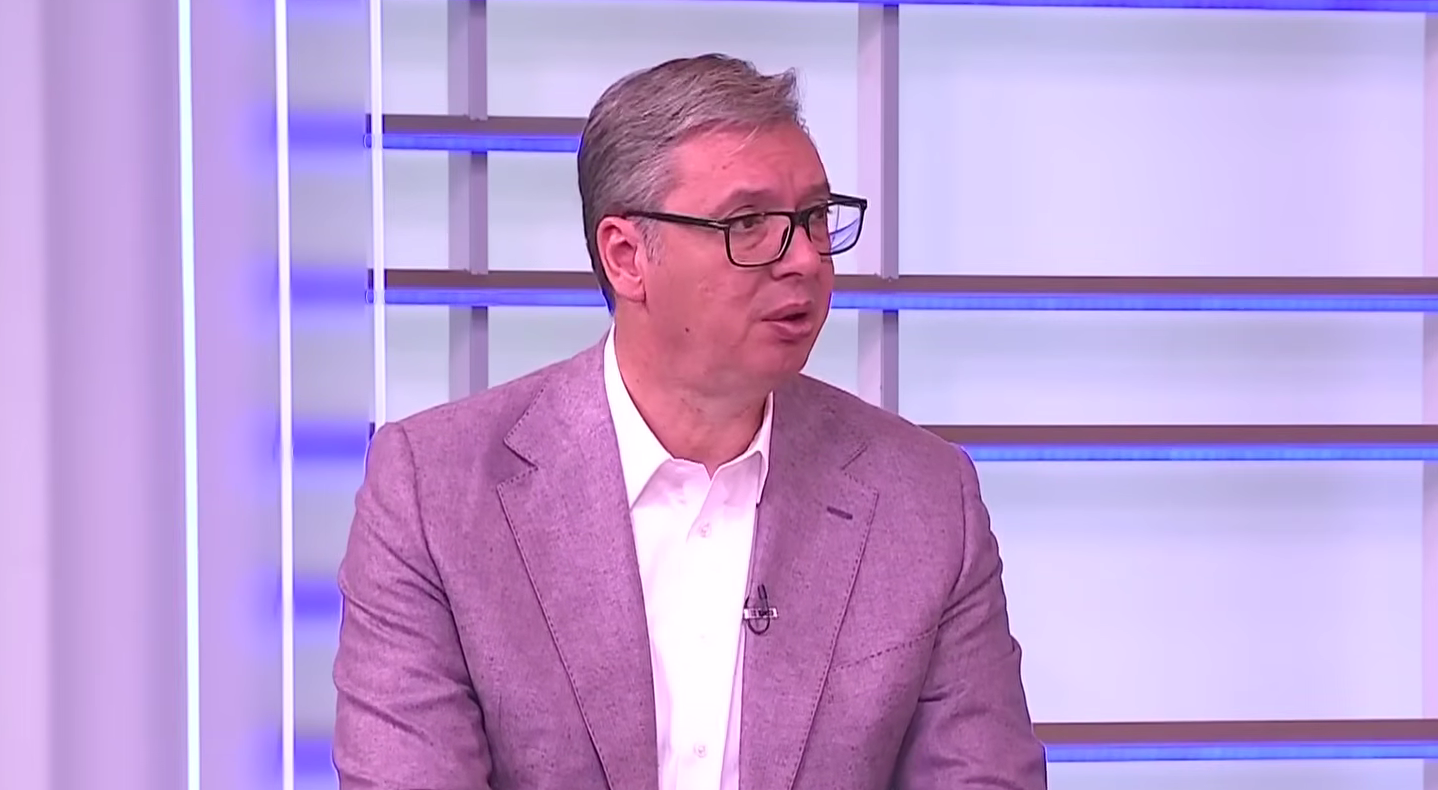
An interview with Serbian President Aleksandar Vučić has sparked controversy inside Austria’s conservative daily Die Presse, after the newspaper’s editorial board publicly questioned the format and said it had not been informed about the project in advance.
The interview was conducted by Die Presse CEO Rainer Nowak as the first episode of a new podcast and video series called “Rainer Nowak’s Masterclass.”
During the conversation, Vučić discussed his political career, Serbia’s economic performance and its European integration ambitions.
He also rejected allegations and controversies surrounding his government and defended his record in office.
Critics, however, argued that the interview gave the Serbian president an unusually friendly platform and did not sufficiently challenge him on issues surrounding his leadership and domestic politics.
The strongest reaction came from Die Presse’s editorial board.
According to an internal message, editors said they were surprised and concerned because they had not been informed about the new format beforehand.
They also questioned whether the project could be considered editorial content when it was produced outside the newsroom and raised questions about the nature of the cooperation.
The board said it would examine the matter further.
Vučić Interview Raises Questions About Editorial Independence
Nowak defended the project, saying the Masterclass was not designed as either a friendly collection of career stories or a traditional confrontational political interview.
Instead, he said the goal was to explore leadership, decision-making, responsibility and the personal side of people who hold significant political or economic power.
He also stressed that inviting Vučić did not mean supporting his policies or style of government.
The controversy comes amid wider concerns about media freedom and political accountability in Serbia.
The European Commission continues to monitor Serbia as part of its annual rule of law review, including developments involving media freedom, pluralism and institutional checks and balances.
The EU has repeatedly stressed that independent media are essential for transparency and democratic accountability.
The dispute also highlights an important question for modern media, how should journalists interview powerful and controversial political figures?
Giving leaders access to major international audiences can provide valuable insight, but interviews also face criticism when difficult allegations or policies are not adequately challenged.
For Die Presse, the issue is now not only the content of the Vučić interview, but also the boundaries between editorial journalism, independent media projects and commercial partnerships.
The episode is therefore likely to remain a test of editorial independence and transparency at the Austrian newspaper.
While Nowak maintains that the project is intended to examine leadership rather than endorse political positions, the reaction from the editorial board shows why clear separation between management, journalism and sponsored content remains important for public trust.