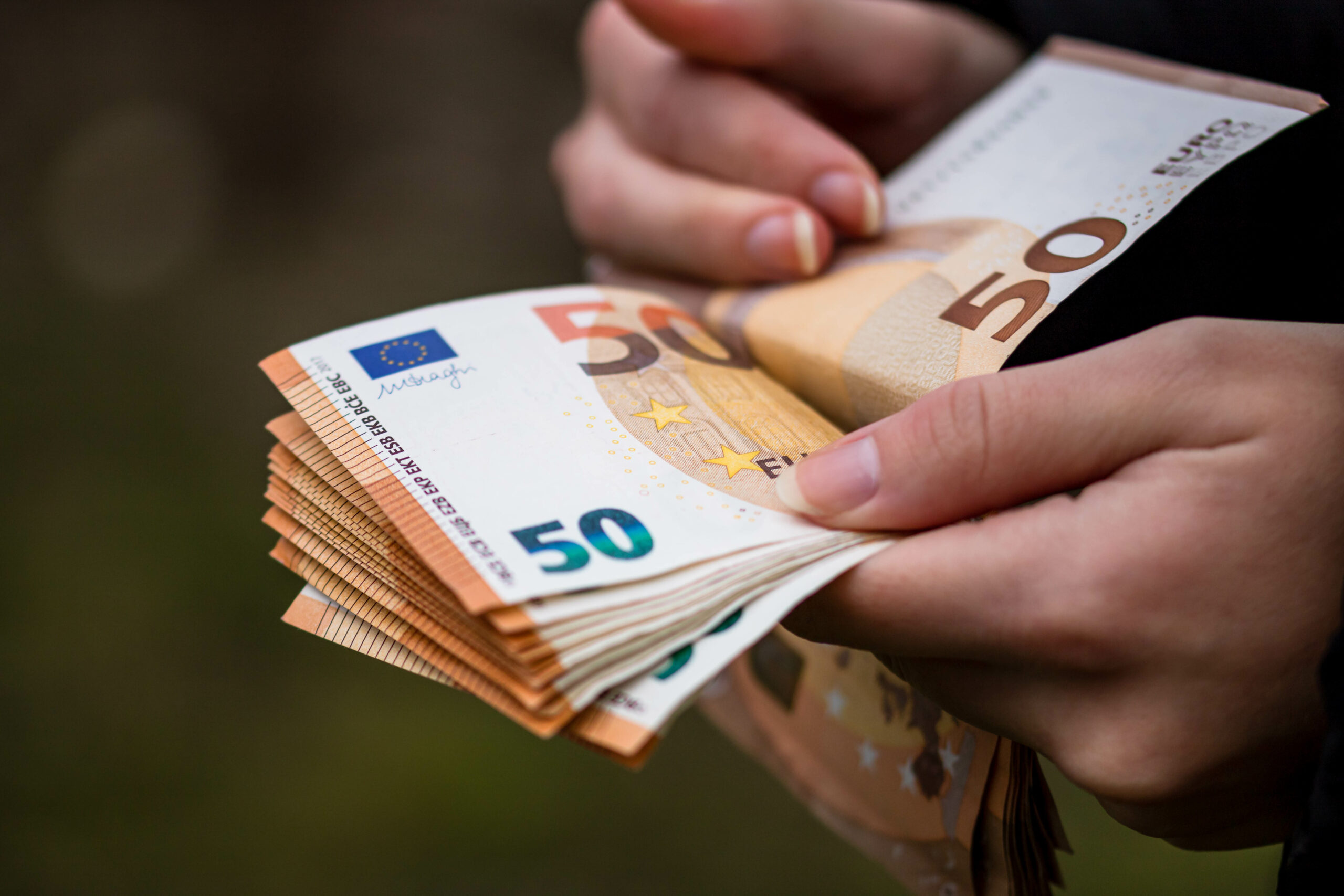
Croatia’s gross monthly minimum wage has reached €1,050 in 2026, placing the country in the middle tier of European Union member states, according to the latest Eurostat data.
As of July, 22 of the EU’s 27 member states had a statutory national minimum wage. Monthly rates ranged from €620 in Bulgaria to €2,771 in Luxembourg.
The six countries with minimum wages above €1,500 were Luxembourg, Ireland, Germany, the Netherlands, Belgium and France.
Croatia was included in the middle group, where minimum wages ranged from €1,000 to €1,500. The group also included Slovenia, Spain, Lithuania, Poland, Cyprus, Greece and Portugal. Croatia’s €1,050 minimum wage was the lowest within this category.
Meanwhile, Malta, Estonia, the Czech Republic, Slovakia, Hungary, Romania, Latvia and Bulgaria all reported minimum wages below €1,000.
However, Croatia performs better when differences in living costs are taken into account. Eurostat’s purchasing power standard, or PPS, adjusts wages according to the prices of goods and services in each country.
Under that comparison, Croatia moves closer to the middle of the EU ranking, suggesting that its minimum wage provides greater purchasing power than the nominal euro amount alone might indicate.
Price adjustments also significantly narrow the overall wage gap across Europe. Luxembourg’s nominal minimum wage is approximately 4.5 times higher than Bulgaria’s. Once purchasing power is considered, the difference between the highest and lowest minimum wages falls to about 2.3 times.
Five EU countries—Denmark, Italy, Austria, Finland and Sweden—do not have a national statutory minimum wage. In those countries, wages are generally determined through collective bargaining agreements.