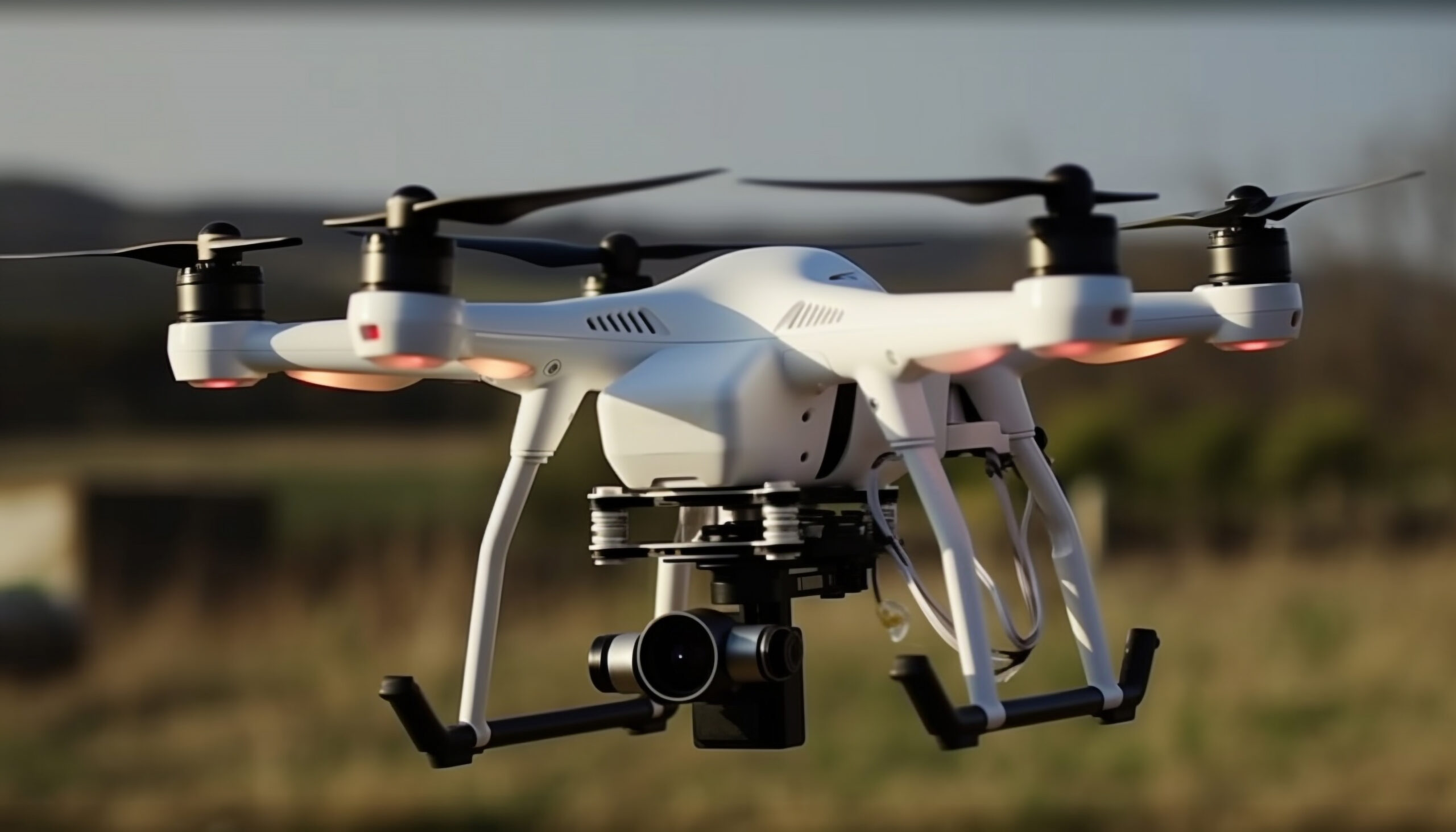
Montenegro has deployed its available police and civil protection drones to patrol fire prone areas as a prolonged heatwave fuels wildfires and raises concerns that some blazes could have been deliberately started. Interior Minister Danilo Šaranović announced that the Police Directorate and the Protection and Rescue Directorate are using unmanned aerial vehicles for day and night surveillance, with thermal imaging equipment helping detect new fire sources, monitor the spread of existing fires and identify people who may be linked to suspected arson.
The mobilization comes as a major wildfire threatens homes in the coastal town of Herceg Novi, adding to a wider regional crisis caused by extreme temperatures. Emergency services across the Western Balkans are facing difficult conditions as dry vegetation, high temperatures and limited access to some areas increase the risk of fires spreading rapidly.
Drones Add a New Layer to Montenegro’s Fire Response
The drone deployment represents a significant expansion of Montenegro’s firefighting and emergency response capabilities. Šaranović said the aircraft are conducting continuous aerial surveillance over high risk areas, using thermal cameras to identify heat signatures that could be difficult for ground crews to detect, particularly after dark. The minister did not specify the exact number of drones involved in the operation.
Montenegro has been gradually expanding its unmanned surveillance capabilities, including the acquisition of Belin-V reconnaissance systems from Slovenia in 2024 through a government to government agreement. The current operation appears to represent a major domestic use of these capabilities for environmental monitoring and public safety, highlighting how technology can help authorities respond more quickly in mountainous and difficult to access terrain.
Šaranović also issued a strong warning to anyone who deliberately starts fires or ignores restrictions during the current conditions. He said authorities would act decisively against illegal or dangerous activity and urged residents to comply with the ban on open fires, dispose of cigarette butts responsibly and report suspicious behavior. Authorities are particularly concerned that intentional fires or careless actions could have serious consequences when vegetation is extremely dry and weather conditions favor rapid fire growth.
The situation is part of a broader regional fire crisis. Croatia has been dealing with major wildfires on Brač and near Škrljevo, while Montenegro has recorded fires in several locations during the summer. Šaranović said earlier in July that Montenegro was better prepared for the fire season than ever before, with its aerial firefighting assets operational, but the continuing heatwave is putting those preparations under considerable pressure.
As drones monitor vulnerable areas from above and emergency crews remain ready on the ground, Montenegro is increasingly relying on aerial technology to detect fires before they can grow. With extreme heat continuing across the region, the effectiveness of this surveillance strategy could become an important factor in limiting the impact of the country’s wildfire season.