Slovenia is taking a new step to protect cash payments in Slovenia, with a signature drive for a proposed law set to begin on September 1. Supporters argue that having the right to use cash written into the Constitution is not enough. They want clear rules to ensure people can continue using physical money in everyday life. The initiative aims to turn constitutional protection into practical rights and obligations. If it gains enough support, the proposal could be formally submitted to Slovenia’s National Assembly. The campaign comes as digital payments become increasingly common across Europe. For supporters, the issue is about ensuring that cash remains a real and accessible payment option.
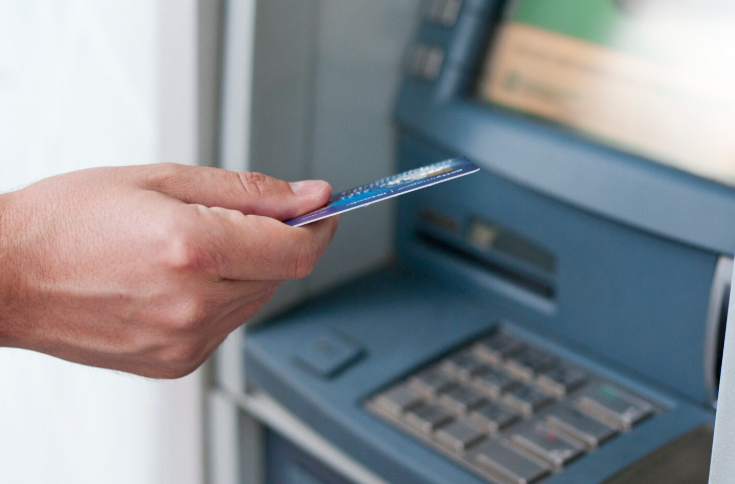
The proposal was prepared by Ivan Jurgec together with the PovezaniSmo association. According to the initiative, the law would define the rights of people using cash and the responsibilities of banks, savings institutions and businesses offering goods and services. It would also address access to ATMs and other cash services. Financial privacy would be another part of the proposed legislation. The initiative also includes provisions related to oversight and possible penalties for violations. Supporters believe these rules are necessary to make cash payments in Slovenia genuinely protected in practice.
At least 5,000 certified signatures will be needed before the proposed legislation can be formally submitted to the National Assembly. The signature collection period is scheduled to run from September 1 until October 30. That gives supporters two months to secure the required public backing. The campaign will test how much support exists for stronger legal guarantees surrounding the use of physical money. If the required number of signatures is collected, the proposal can move forward in the legislative process. The final outcome will then depend on the political and parliamentary debate.
The initiative follows Slovenia’s decision to include the right to use cash in its Constitution. Parliament approved the constitutional amendment in November 2025, giving physical money particularly strong legal protection. Slovenia’s move placed it among European countries taking additional steps to protect access to cash. However, supporters of the new proposal argue that constitutional recognition alone does not answer every practical question. They believe specific rules are needed to clarify what the right means for consumers, banks and businesses. The proposed law is intended to provide those details and prevent the constitutional protection from remaining only a principle on paper.
The debate over cash payments in Slovenia is also part of a wider discussion about the future of money. Digital transactions are becoming more common, changing the way people pay for goods and services. Supporters of cash point to privacy, accessibility and the importance of having a payment method that does not depend entirely on electronic systems. Access to physical money can also become important when digital services are unavailable or when people are unable to use them easily. The European Central Bank has also examined questions surrounding Slovenia’s constitutional protection and access to cash. The issue is therefore connected to a broader European conversation about maintaining access to physical money.
The proposed law could become an important test of what Slovenia’s constitutional protection means in everyday life. Its supporters want to establish clear obligations that protect the ability to obtain and use cash. They argue that recognizing a right is only the first step if people cannot easily exercise it. Whether the initiative receives the required 5,000 signatures remains to be seen. However, the campaign shows that the debate over cash is far from over. As digital payments continue to expand, Slovenia is seeking to ensure that people who prefer or need physical money can continue to use it in their everyday lives.