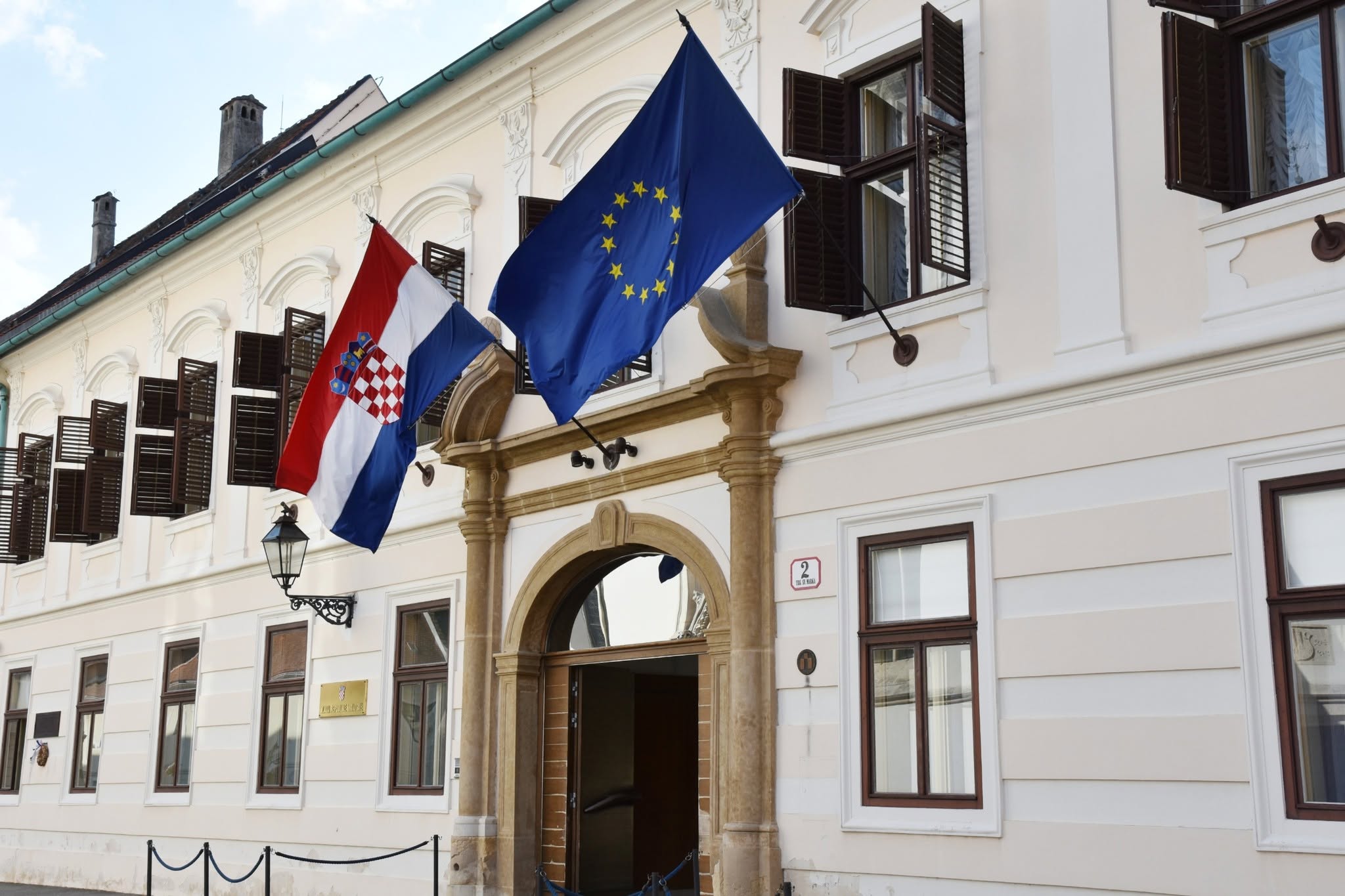
Croatia’s Parliament has approved new measures to address illegally dumped hazardous waste in Gospić after an extraordinary 18 hour session focused on the environmental scandal. The measures call for urgent cleanup of the contaminated site, continued environmental monitoring and stronger controls over waste transportation and disposal. The session was requested by Croatian President Zoran Milanović, who called for immediate remediation and regular updates for local residents. However, lawmakers rejected his proposed conclusions and instead adopted a package backed by the ruling majority. The government backed conclusions received 81 votes, while 51 lawmakers voted against them. One of the most important issues concerns the safety of drinking water in Gospić. Parliament acknowledged testing by public health institutions showing that the public water supply is currently safe to drink. No health risk linked to the public water system has been identified in the analyses conducted so far. At the same time, lawmakers strongly condemned the illegal disposal of waste in the area and supported efforts by judicial authorities to identify and punish those responsible. The adopted measures call for urgent and comprehensive remediation of the former PPK Velebit site. Authorities are expected to remove both visible and buried waste while ensuring the cleanup does not create additional risks for residents, workers or the environment.
Environmental monitoring will continue throughout the cleanup process. The government and relevant public institutions will monitor water, soil and air before, during and after the remediation. Depending on the risks identified, monitoring could also be expanded to groundwater, surface water and individual water sources in the wider area. The government must also submit a report to Parliament within 90 days detailing the progress of the Gospić cleanup. The report is expected to include completed actions, deadlines, costs, monitoring results, potential risks and planned next steps. The measures also include stronger controls over Croatia’s waste management system. Authorities are expected to increase responsibility for companies handling waste and expand the use of video surveillance and GPS tracking of waste transportation. Electronic records and professional supervision are also expected to play a greater role. The goal is to make it easier to track waste from its origin to its final destination and detect illegal disposal before it causes serious environmental damage. Parliament also backed plans to introduce a new criminal offense known as ecocide into Croatia’s Criminal Code.
The Gospić case has become a major political and environmental issue in Croatia, with opposition parties criticizing the government’s response while the ruling majority argues that concrete measures are already being implemented. The extraordinary session ultimately produced a package focused on hazardous waste cleanup, environmental monitoring and stronger controls over waste disposal. For residents of Gospić and the wider Lika region, the key question now is whether the measures will result in a complete and safe removal of the contaminated material. The government has 90 days to report back to Parliament, making the coming months crucial for determining whether the promised action will translate into a lasting solution.