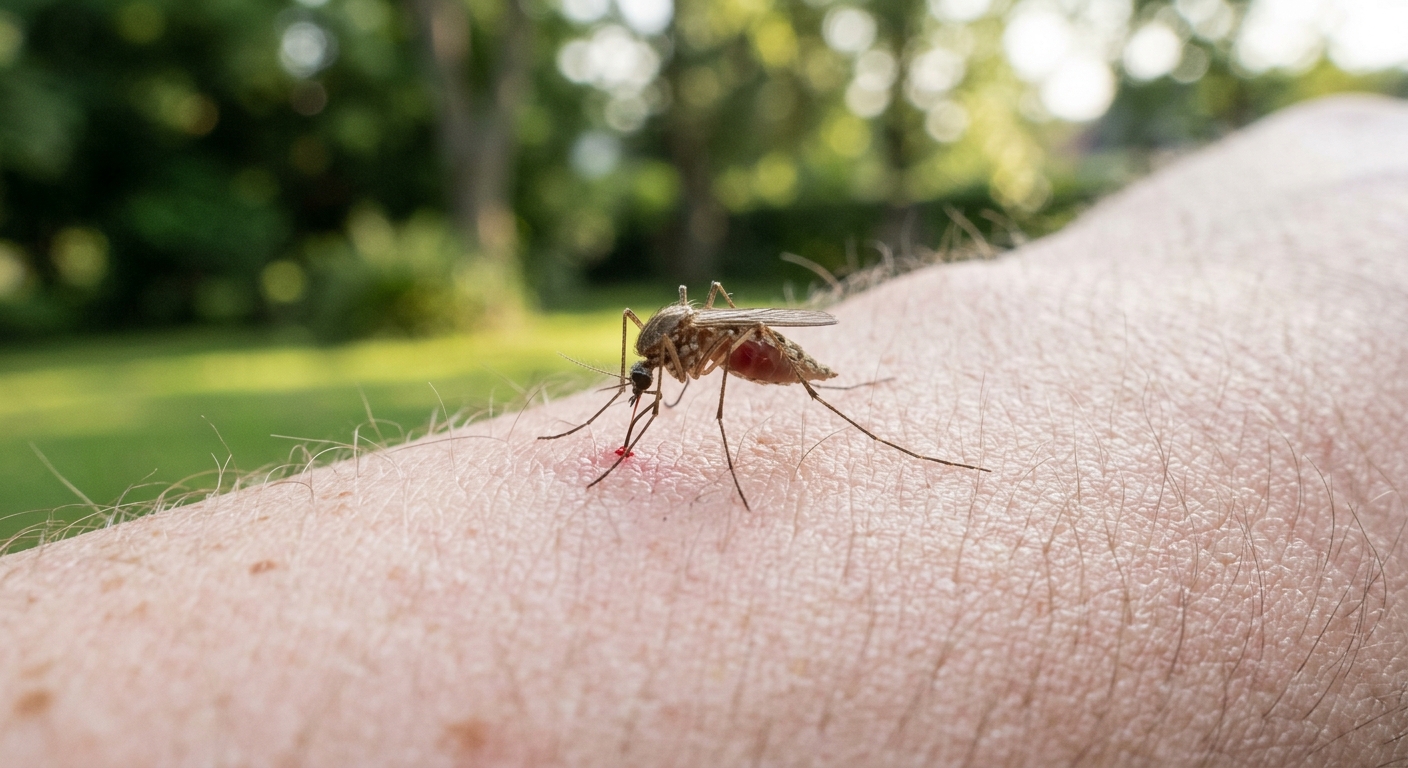
Authorities in Zagreb have ordered urgent measures to control mosquitoes after West Nile virus was detected in dead crows in several parts of the Croatian capital. The discovery has prompted the Andrija Štampar Teaching Institute for Public Health to introduce special anti epidemic measures in the affected areas, with mosquito control planned for locations where infected birds were found. The measures are intended to reduce the number of mosquitoes and limit the possibility of further transmission during a period when warm weather continues to create favorable conditions for the insects.
The first mosquito control treatments are scheduled to begin on September 1 in Savica, Središće, Zapruđe, Travno, Utrina and Sloboština. Additional treatments will take place on September 1 and 2 across wider areas of Donji Grad and Gornji Grad, including the area around Kvaternik Square. The authorities have asked residents in the affected neighborhoods to allow access to courtyards where necessary so that the treatments can be carried out effectively. If weather conditions prevent the work from taking place as planned, the treatments will be postponed until the first suitable day.
Residents have also been given specific recommendations while mosquito control operations are underway. People in the treated areas are advised not to remain outdoors during the treatments and to keep windows and doors closed. Beekeepers have been asked to protect their bees by keeping them inside their hives during the operations. Health authorities are also encouraging residents to regularly remove standing water from yards and gardens, since stagnant water can provide breeding sites for mosquitoes. Wearing clothing that covers exposed skin and using mosquito repellents are also recommended as additional precautions.
The detection of West Nile virus in dead birds is an important warning because mosquitoes can become infected after feeding on infected birds and can subsequently transmit the virus to people through bites. The Zagreb response is therefore focused on reducing mosquito populations and removing potential breeding sites before transmission can increase. While the measures are precautionary, the situation highlights the importance of mosquito surveillance during the summer and early autumn months, particularly as West Nile virus activity has been reported in several European countries this season. For residents of Zagreb, authorities are urging people to follow the temporary recommendations and take simple precautions to reduce their exposure to mosquito bites.