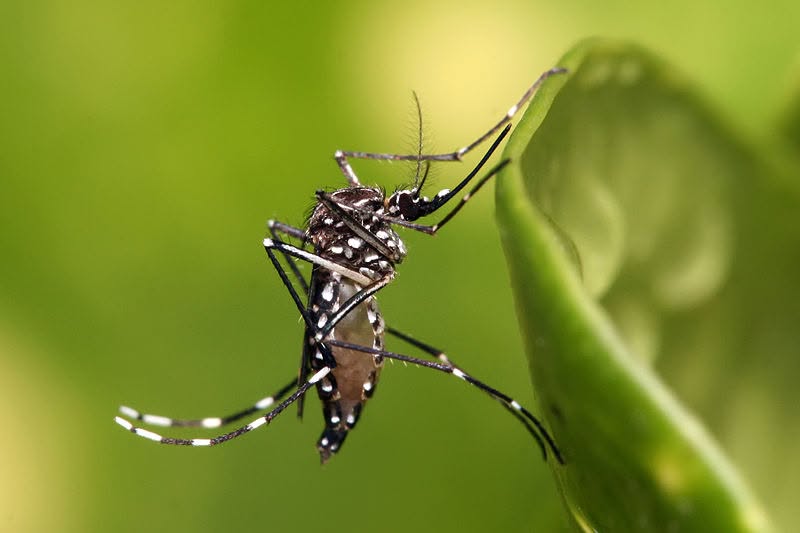
Serbia is reporting a significant increase in West Nile fever cases, with 43 infections recorded since the beginning of the 2026 surveillance season. According to the latest information from the Institute of Public Health of Serbia “Dr Milan Jovanović Batut,” 40 of those cases involved the neuroinvasive form of the disease, meaning the infection affected the nervous system. The cases were recorded between June 1 and September 13 across 10 districts in the country, highlighting the continued presence of the mosquito borne virus during this year’s transmission season. The largest number of cases has been recorded in Belgrade, with 14 infections reported so far. The South Bačka District follows with nine cases, while five have been recorded in Šumadija and four in Central Banat. Additional cases were reported in South Banat, North Banat and West Bačka, among other areas. The latest figures represent an increase of six cases compared with the previous update, showing that transmission is continuing as the mosquito season progresses.
West Nile virus is primarily transmitted to people through the bite of an infected mosquito. Most people infected with the virus do not develop symptoms or experience only mild illness, but a smaller proportion can develop more serious neurological disease, including inflammation of the brain or the membranes surrounding the brain and spinal cord. The high proportion of neuroinvasive cases among those detected in Serbia makes the current surveillance figures particularly important, although the number of severe cases should not be interpreted as meaning that every infected person is in critical condition. Health authorities continue to emphasize protection against mosquito bites, particularly during periods when mosquito activity remains high. Measures such as using insect repellent, wearing clothing that covers the arms and legs, using window screens and removing standing water around homes can help reduce exposure. The virus is part of a wider seasonal health concern across Europe, where West Nile infections have also been detected in several countries during 2026. European health authorities are continuing to monitor the situation as mosquito activity and weather conditions influence the spread of mosquito borne diseases.
The latest Serbian figures underline why continued monitoring and personal protection remain important as summer comes to an end. Although West Nile fever does not cause serious illness in most infected people, neuroinvasive disease can be much more severe, making early attention to symptoms and prevention especially important. With cases now recorded in 10 Serbian districts, health authorities are continuing surveillance while the transmission season remains active.