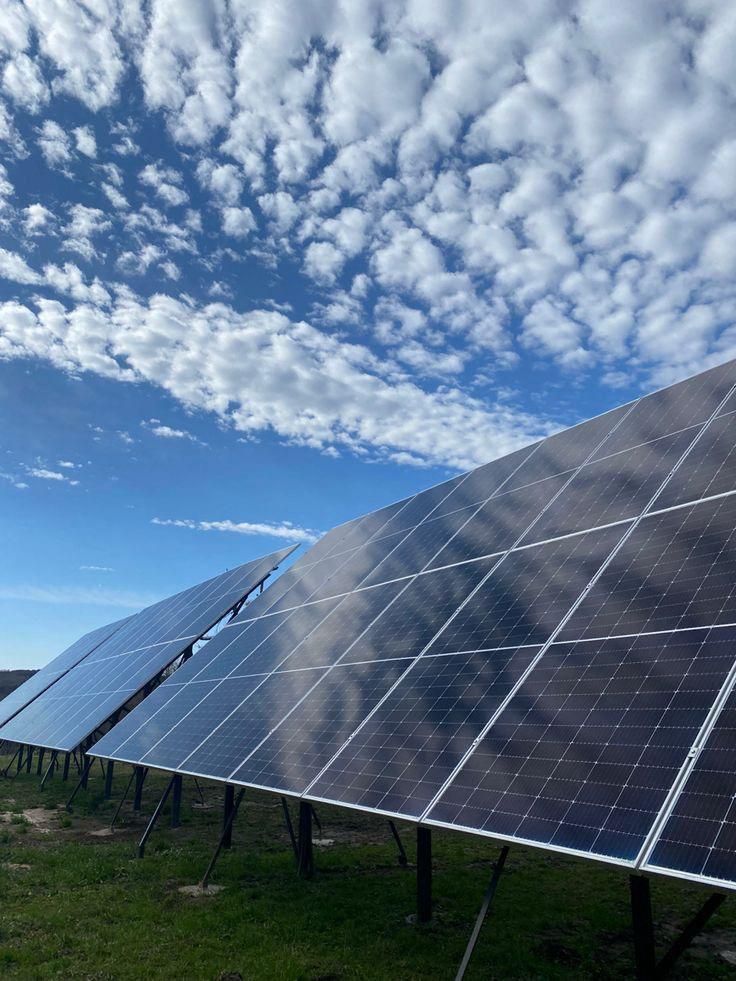
Macedonia is making faster progress in its transition toward renewable energy, with the country now exceeding the targets set for installed renewable energy capacity under its National Energy and Climate Plan. The latest assessment by the Energy Community highlights progress in implementing Macedonia’s National Energy and Climate Plan, while the Ministry of Energy, Mining and Mineral Resources has submitted its progress report on time. The development comes as the country continues to expand solar and hydropower capacity and works toward a broader transformation of its energy system. Renewable energy has become an increasingly important part of Macedonia’s electricity sector, particularly through the rapid expansion of photovoltaic and hydropower facilities. According to the latest information, the growth in installed renewable capacity has moved ahead of the trajectory originally established in the national plan. The Energy Community’s current country data lists a 2030 target of 38 percent for renewable energy in gross final energy consumption, while renewable sources already accounted for almost half of the country’s installed electricity generation capacity in the latest available Energy Community outlook.
The National Energy and Climate Plan sets targets across several parts of the economy, including electricity production, heating and cooling, and transport. By 2030, Macedonia is aiming for renewable energy to account for 38 percent of gross final energy consumption. The plan also includes measures designed to reduce energy consumption and improve efficiency, while encouraging additional investment in renewable sources and supporting the wider decarbonization of the energy sector. The Energy Community’s assessment also points to areas where further work is needed. Macedonia is expected to continue focusing on reducing primary energy consumption, improving energy efficiency and expanding renewable generation, while developing a more integrated domestic energy market. Among the measures being pursued are electricity market coupling, greater participation by consumers, self generation and self consumption, energy communities, energy storage systems and smart metering. In July 2026, the Energy Community said Macedonia had completed the legal alignment needed to enter the verification stage for coupling its electricity market with the EU market.
The progress on renewable energy comes as Macedonia continues to reshape its energy policy around greater domestic production and energy security. The government says the next phase will focus not only on increasing renewable capacity but also on making the energy system more efficient and flexible. With the 2030 targets approaching, the expansion of solar and hydropower, improvements in energy efficiency and closer integration with the European electricity market are expected to remain central parts of the country’s energy transition.