Montenegro’s President Jakov Milatović’s office has warned against what it described as attempts by public officials to glorify people convicted of war crimes, saying that respect for international court decisions is an essential part of the rule of law and the country’s European integration process. The statement, issued on September 16, comes as questions surrounding the legacy of the wars of the 1990s continue to influence political and social debates across the Western Balkans.
According to Milatović’s office, judgments issued by international criminal courts should be respected regardless of which cases or individuals they concern. The president’s office argued that treating judicial decisions selectively, accepting some rulings while rejecting others, would undermine confidence in the principle of equal application of justice.
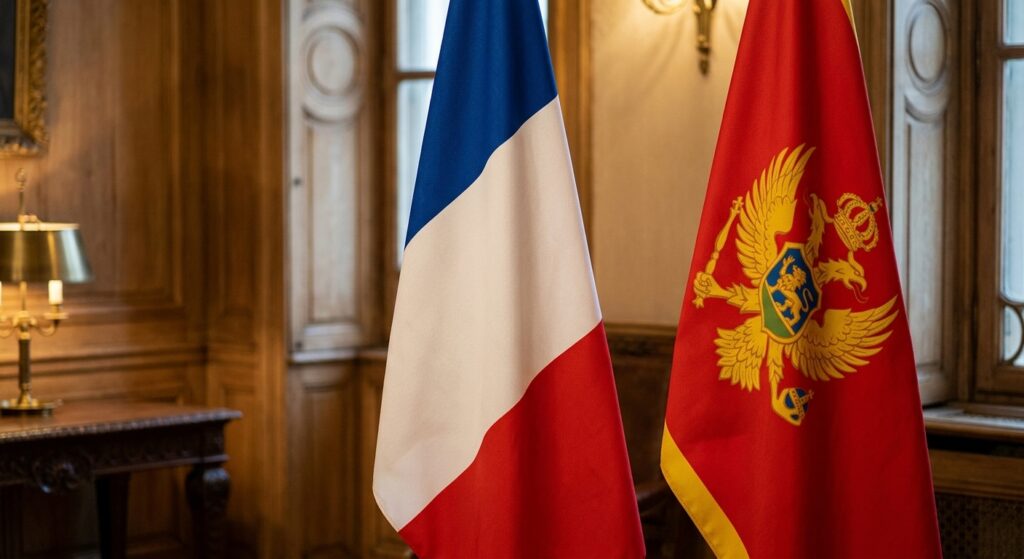
The statement also connected the issue directly with Montenegro’s EU accession process. The European Union places rule of law, judicial independence, fundamental rights and effective institutions among the central requirements for countries seeking membership. Montenegro is currently a candidate country and has been negotiating EU membership since 2012, with the European Commission continuing to monitor its progress in areas related to justice and democratic institutions.
The timing is significant because Montenegro remains one of the more advanced Western Balkan candidates in the EU accession process. In July 2026, the European Commission said that the EU and Montenegro had provisionally closed additional negotiating chapters, bringing the total number provisionally closed to 16 at that point. The Commission has also emphasized that continued progress depends on maintaining momentum in reforms, including those connected with the rule of law.
War Crime Convictions and Montenegro’s Rule of Law
The European Commission’s 2026 Rule of Law Report provides a broader framework for understanding the issue. Montenegro is one of four EU enlargement countries included in the Commission’s annual assessment, alongside Albania, Macedonia and Serbia. The report examines areas including the justice system, anti corruption measures, media freedom and institutional checks and balances.
The question of how societies remember the conflicts of the 1990s remains particularly sensitive across the former Yugoslavia. International criminal tribunals established to address crimes committed during those conflicts have issued numerous judgments involving political and military figures. Their decisions continue to play a role in discussions about accountability, victims’ rights and reconciliation throughout the region.
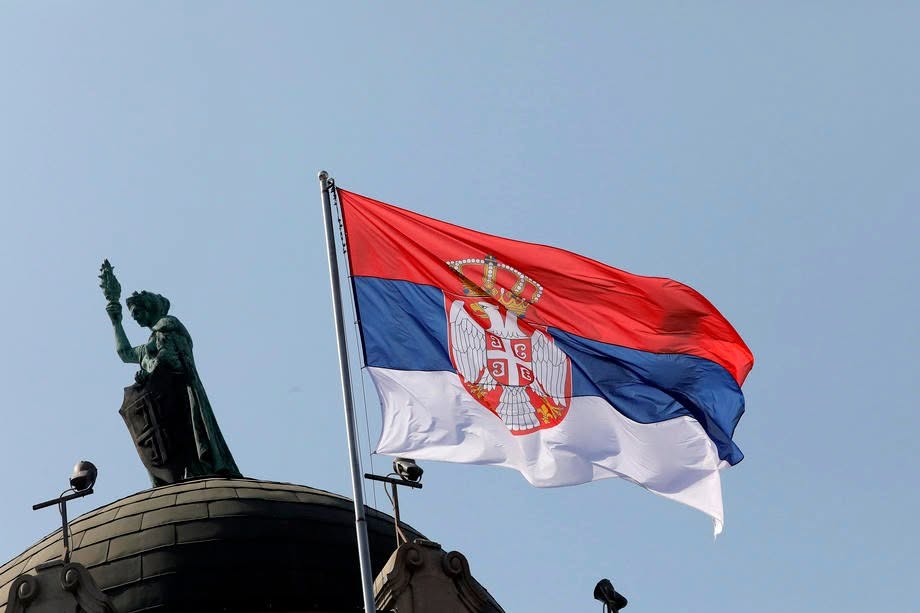
Milatović’s office placed particular emphasis on the impact that public glorification of convicted war criminals can have on victims and regional reconciliation. The statement said such actions could deepen existing divisions rather than encourage a shared understanding of the past. These concerns are not limited to Montenegro, as disputes over the commemoration of individuals convicted of war crimes have repeatedly generated political tensions elsewhere in the Western Balkans.
The issue also has a regional dimension because Montenegro’s European path is closely connected to its relationships with neighboring countries. The EU has repeatedly emphasized good neighborly relations and regional cooperation as important elements of the enlargement process. Questions surrounding war crimes accountability can therefore extend beyond domestic politics and affect diplomatic relations and broader efforts to build cooperation in the Western Balkans.
At the same time, the statement from the president’s office represents the position of Milatović and his administration rather than an independent assessment of any particular individual or recent public event. The statement did not identify specific officials or cases in the text released on September 16. Its broader argument was that Montenegro should consistently respect the judgments of international criminal courts and avoid selective interpretations of judicial decisions.
EU Accession Keeps Accountability in Focus
The European Commission’s wider assessment shows why rule of law questions remain important for Montenegro’s accession negotiations. The EU describes the rule of law as a fundamental principle of the Union and requires candidate countries to meet standards covering justice, fundamental rights, security and the fight against corruption and organized crime. Chapters 23 and 24 of the accession negotiations are particularly focused on these areas.
Montenegro has also publicly positioned itself as a country seeking to complete the accession process through continued institutional reforms. The government and EU institutions have made progress in several negotiating areas, while the Commission continues to identify reforms that need to be implemented. This means that political statements concerning the treatment of war crimes judgments take place within a much broader process involving courts, public institutions and democratic standards.
For victims and their families, however, the issue goes beyond the technical requirements of EU membership. Recognition of court findings and public acknowledgment of victims can also influence how societies deal with the legacy of conflict. In this context, debates over historical responsibility can remain emotionally and politically significant decades after the events themselves.
Overall, Milatović’s latest statement places the treatment of war crimes convictions within two connected issues: regional reconciliation and Montenegro’s European integration. The president’s office is calling for consistent respect for international judicial decisions and opposing public glorification of convicted war crime perpetrators. As Montenegro continues its EU accession process, questions surrounding the rule of law, accountability and relations with its neighbors are likely to remain important parts of the country’s wider political debate.