A federal judge has temporarily blocked the Trump administration from barring journalists from CNN, MS NOW and Politico from the White House, ordering officials to immediately restore their press credentials. U.S. District Judge Timothy Kelly ruled that the three outlets were likely to succeed in their legal challenge, particularly over whether the administration provided the due process required before revoking their access. The decision marks a significant development in an escalating dispute between the Trump administration and several major U.S. news organizations.
Judge Orders White House Press Access Restored
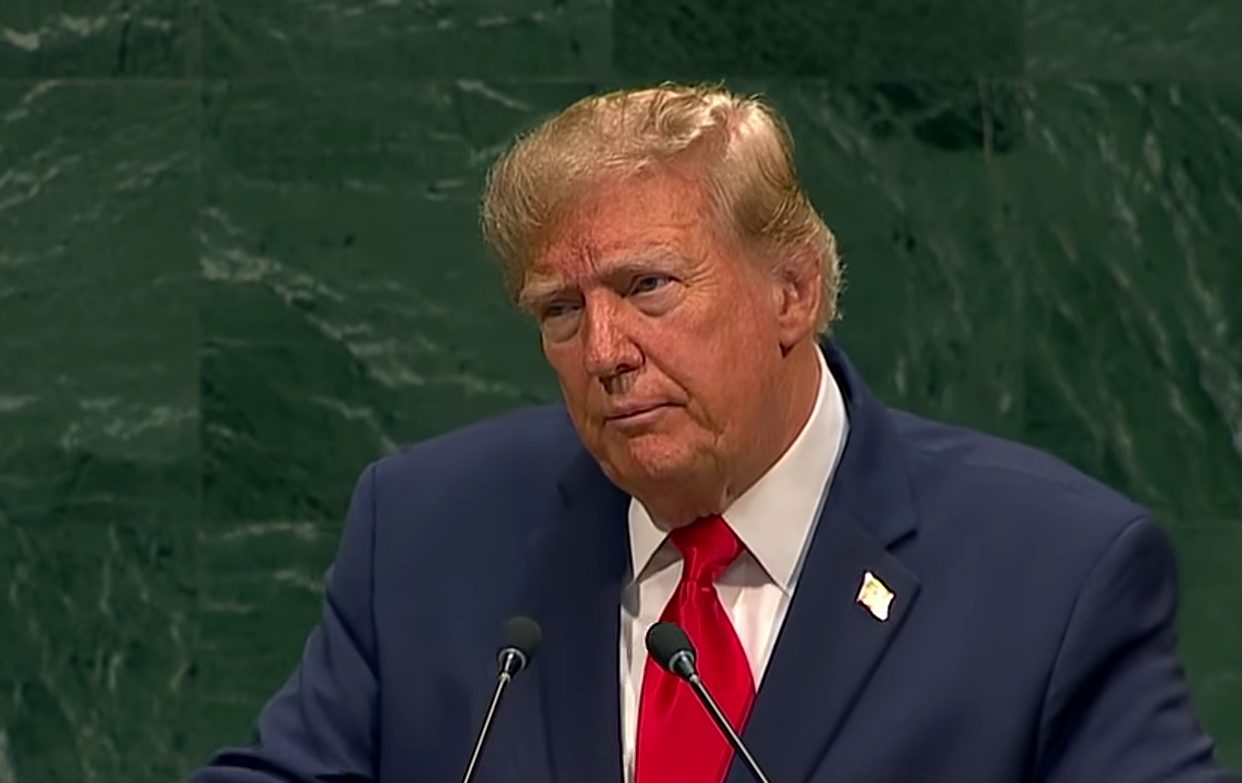
The dispute began on September 18, when President Donald Trump announced that CNN, MS NOW and Politico would no longer be permitted access to the White House. Trump accused the outlets of publishing what he described as false or misleading coverage. The organizations were subsequently denied entry to the White House complex and their hard pass credentials were revoked. The three outlets responded by filing a federal lawsuit arguing that the administration had violated their First Amendment protections for freedom of the press and their Fifth Amendment due process rights.
Judge Kelly’s temporary restraining order requires the administration to return, reinstate and restore the affected journalists’ White House credentials. The order is scheduled to remain in effect for 14 days unless the court changes or extends it. Kelly said the outlets were likely to succeed in showing that the revocation of their credentials did not comply with required due process protections.
A central issue in the case is whether journalists were given adequate notice and an opportunity to challenge the decision before their access was revoked. Kelly referred to previous decisions from the U.S. Court of Appeals for the District of Columbia Circuit concerning due process protections for journalists holding White House press credentials. The judge concluded that the administration had not provided the targeted outlets with a meaningful opportunity to contest the revocation before it took effect.
The Justice Department has argued that access to the White House is a privilege rather than an entitlement and that the administration has authority to establish conditions for journalists who receive access. Government lawyers also cited national security concerns and alleged shortcomings in professionalism and decorum as reasons for the restrictions. The administration’s arguments remain part of the ongoing legal dispute rather than a final determination by the court.
The administration later sent letters to the three organizations explaining its reasons for revoking their credentials and giving them an opportunity to respond. The timing of those letters became another issue in the case because they were sent after the credentials had already been revoked and after the lawsuit had been filed. Kelly’s ruling focused in part on the lack of notice and opportunity to be heard before the access restrictions took effect.
Kelly also questioned the administration’s explanation that national security concerns justified the restrictions. According to reporting on the ruling, the judge found that the government’s record did not adequately support the claim that removing the three outlets’ access was necessary to protect national security. The ruling therefore addressed both the procedural issues surrounding the credential revocations and the government’s stated justification for the restrictions.
Dispute Affects Wider White House Media Coverage
The dispute has had consequences beyond CNN, MS NOW and Politico. Other major television networks temporarily suspended portions of their coverage of presidential events after CNN was excluded from the White House television pool. The pool allows participating networks to share footage of presidential appearances and events, meaning restrictions on one organization can affect the broader system through which television audiences receive visual coverage of the president.
The three news organizations have argued that the restrictions violate constitutional protections, while the Justice Department maintains that the White House has legitimate authority to establish conditions for press access. The competing arguments are now being considered through the federal court process, with the September 24 order providing temporary relief rather than resolving the underlying lawsuit.
The judge’s ruling therefore does not permanently settle the dispute over White House press access. CNN, MS NOW and Politico are to regain access under the temporary order, while the administration can continue presenting its legal arguments and seek further review. The case remains focused on how presidential control over White House access interacts with constitutional protections for the press and due process requirements.
For now, the immediate result is that the three news organizations have received temporary judicial protection against the White House restrictions. The broader case remains unresolved, leaving questions about press access, presidential authority and due process at the center of the continuing legal dispute. Further proceedings will determine whether the restrictions can ultimately remain in place or whether the administration will have to maintain access for the affected outlets.