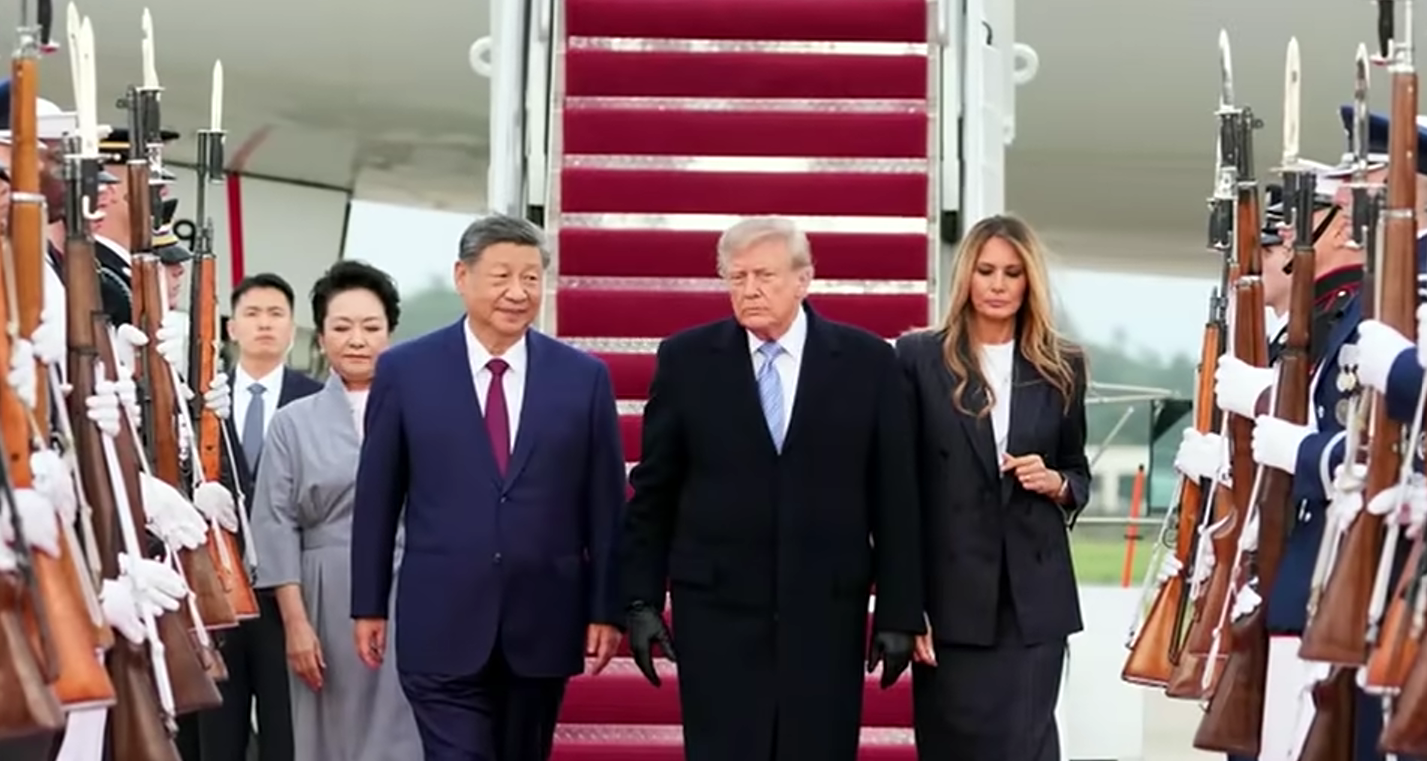
U.S. President Donald Trump and Chinese President Xi Jinping concluded their high-profile meeting in Washington with an emphasis on maintaining stable relations, but with few major new agreements publicly announced.
The leaders met at the White House on Thursday during Xi’s first visit to Washington in more than a decade. Their discussions focused on trade, artificial intelligence, strategic competition and other sensitive issues in the U.S.-China relationship.
One of the clearest outcomes was an agreement to extend the existing U.S.-China trade truce until January 10. The arrangement continues to pause some of the tariffs and trade restrictions that have strained relations between the world’s two largest economies.
However, there was no major breakthrough announced on several difficult issues, including artificial intelligence, Taiwan, critical minerals and broader trade disputes. Reuters reported before the meeting that expectations for major breakthroughs were low, with the extension of the trade truce and possible cooperation on AI among the more tangible outcomes under discussion.
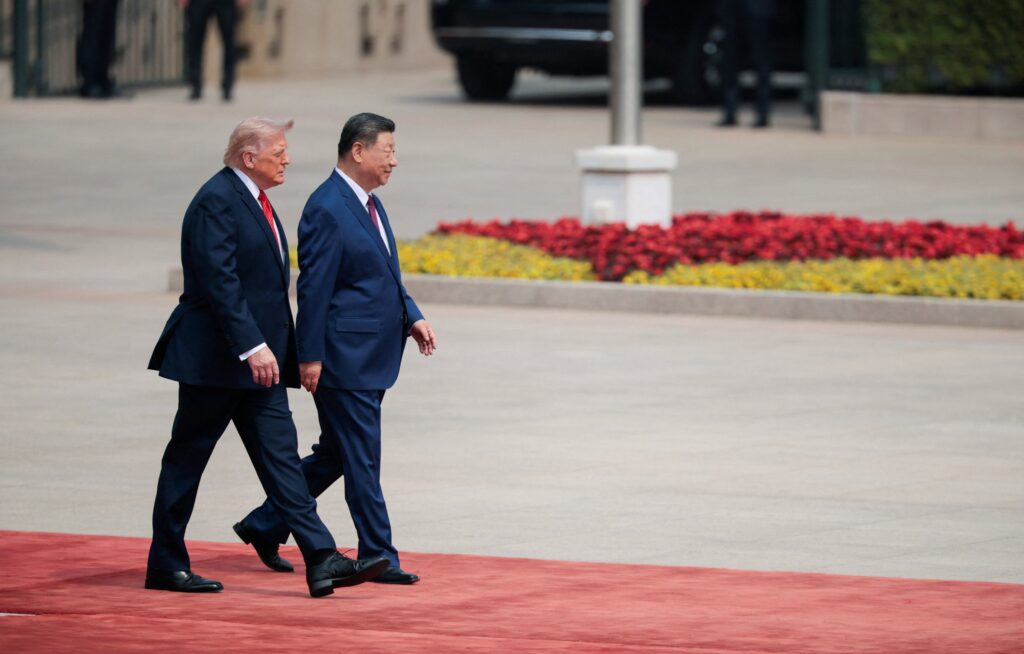
AI was an important topic during the talks. Xi said the United States and China should cooperate while ensuring that AI development remains under human control. Trump had also identified artificial intelligence and “super intelligence” as major subjects for discussion.
The two leaders also sought to emphasize a more stable relationship. Xi called for the United States and China to coexist peacefully and described the two countries as major powers that can benefit from cooperation, while Trump described his meeting with Xi as “great.”
The visit featured elaborate diplomatic ceremonies, including a state dinner at the White House. Analysts and international media noted the contrast between the highly ceremonial nature of the visit and the limited number of concrete policy agreements announced.
The meeting nevertheless provides a channel for continued negotiations between Washington and Beijing, particularly on trade and technology, at a time when the two countries remain economic and strategic competitors.