Saudi Arabia issued no public security warnings before a series of attacks on Riyadh’s main airport that killed at least 18 people and injured more than 300, according to Reuters.
Four attacks struck the Saudi capital’s airport over the past week, raising questions about the country’s emergency warning system.
Saudi authorities have not explained why residents received no alerts before the attacks.
Warning System Fell Silent Before Attacks
Saudi Arabia introduced a national early warning system in May to notify residents of potential military threats through mobile phones and social media.
However, the country’s civil defense authority stopped issuing public threat alerts after September 29, despite increasing attacks by Yemen’s Iran-aligned Houthi movement.
According to Reuters, officials from an allied Western government questioned Saudi authorities about the absence of warnings.
Two officials familiar with those discussions said they were told that the alerts had become disruptive and that residents had complained about being awakened at night.
The Saudi government did not respond to requests for comment on that explanation.
Public warnings resumed on Monday, October 12, when authorities issued alerts about potential threats in Riyadh and southern cities.
Reuters could not establish whether the decision was directly connected to the airport attacks.
Airport Strikes Raise Security Concerns
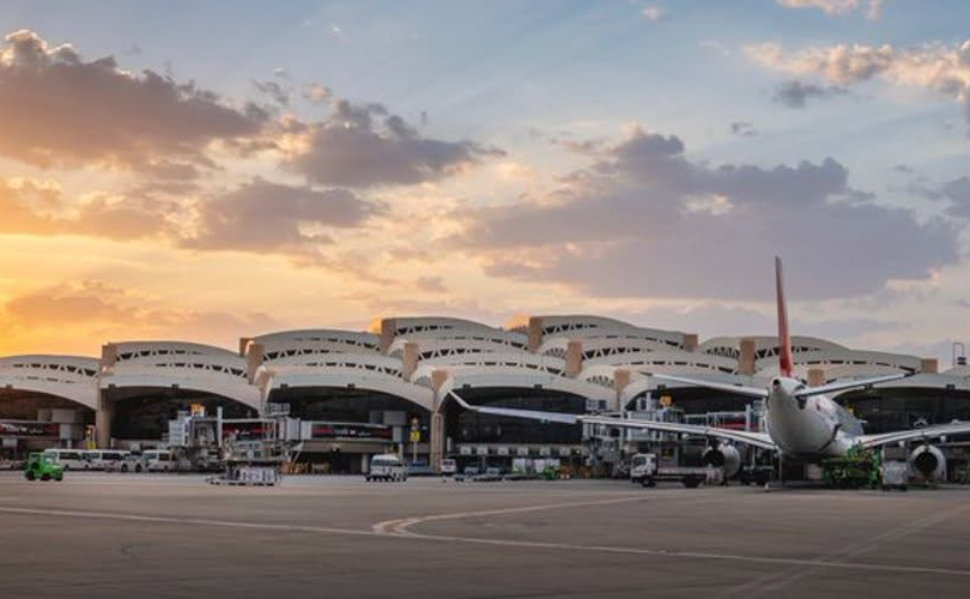
The deadliest attack occurred Saturday, October 10, at King Khalid International Airport in Riyadh.
Surveillance footage released by Saudi authorities showed passengers inside the terminal moments before an explosion.
While public alerts had stopped, Western embassies continued issuing internal missile and drone warnings to their personnel, according to Reuters.
However, officials said the embassies had received no advance warning before Saturday’s attack.
Security analysts warned that the absence of public alerts could increase uncertainty among residents and visitors.
Saudi Arabia has faced repeated missile and drone attacks amid its conflict with the Houthis.
Despite the security concerns, the kingdom proceeded with an international energy conference in Riyadh on Monday.
Saudi Energy Minister Prince Abdulaziz bin Salman acknowledged the continuing risks while emphasizing the government’s commitment to its economic plans.
The attacks have renewed questions about how Saudi Arabia communicates security threats and protects civilians during periods of heightened regional conflict.