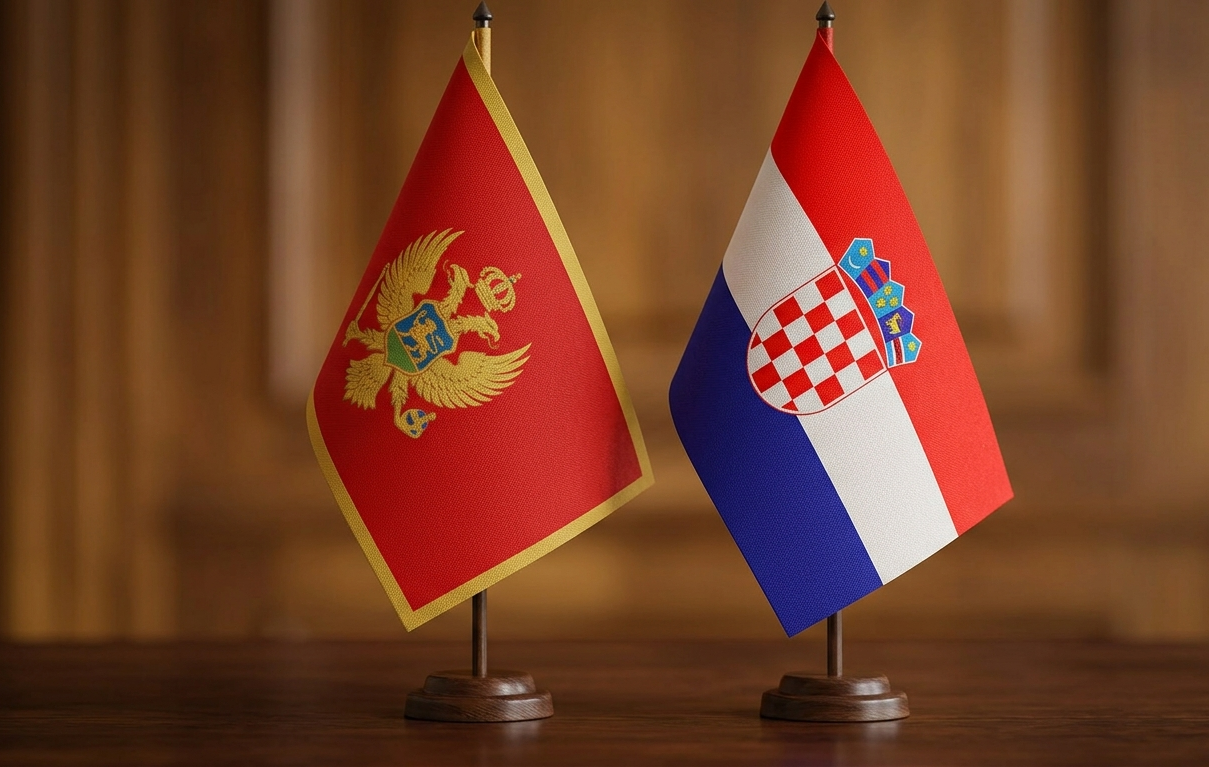
Montenegro has cleared the legal path to rename a swimming pool in Kotor that bears the name of former Yugoslav water polo player Zoran “Jimmy” Gopčević, addressing one of Croatia’s demands in ongoing bilateral negotiations.
Montenegro’s parliament adopted amendments to the country’s Sports Law late Tuesday, introducing a requirement that at least 40 years must have passed since a person’s death for a sports facility to be named after them. The amendments also provide that existing facility names that do not comply with the new rules will cease to be valid.
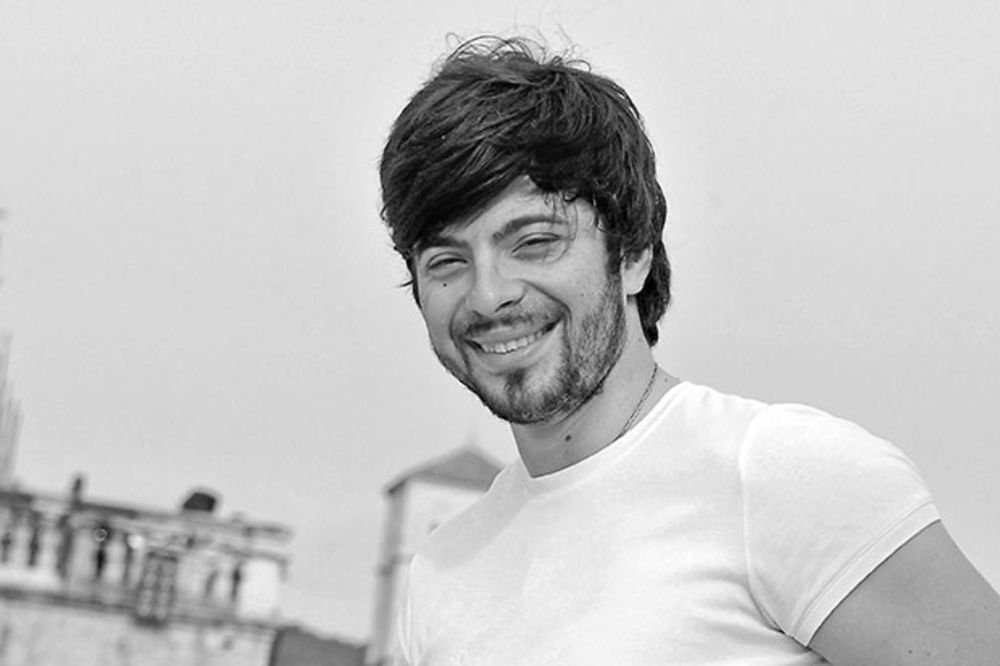
Gopčević died 26 years ago, meaning the swimming pool named after him in Kotor will no longer meet the new legal requirements once the amendments take effect and the necessary procedures are completed.
Dispute Over the Morinj Prison Camp
The controversy dates back to August 2021, when Kotor’s municipal assembly voted to name the swimming pool after Gopčević, recognizing him as one of Montenegro’s outstanding water polo players.
Croatia strongly criticized the decision, alleging that Gopčević had served as a guard at the Morinj prison camp during the wars following the breakup of Yugoslavia. Former detainees have also made allegations about his role at the camp.
Gopčević was a member of the celebrated Yugoslav national water polo team during the 1980s. The dispute over the pool’s name led Croatian clubs and the national team to refuse to play at the facility.
According to Montenegrin media reports, the national government decided to address the issue through changes to the Sports Law after local authorities in Kotor failed to secure sufficient support to rename the pool themselves.
Part of Montenegro’s EU Accession Negotiations
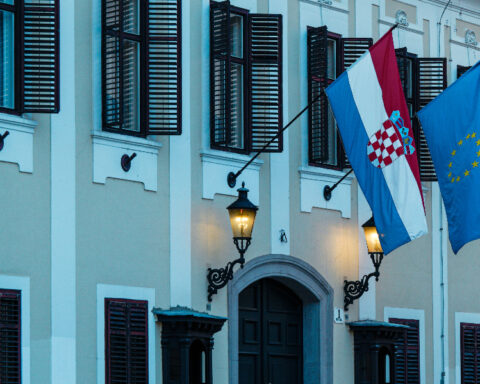
The dispute is part of a wider set of unresolved issues between Montenegro and Croatia. Zagreb has withheld approval for the provisional closure of Chapter 31 of Montenegro’s European Union accession negotiations, which covers foreign, security and defense policy.
Among Croatia’s demands are the return of property confiscated from Croatians in Montenegro, compensation for former Morinj detainees, clarification of the fate of people who disappeared during the war in Croatia, and a change to the name of the Kotor swimming pool.
Other outstanding bilateral issues include ownership of the training ship Jadran, the maritime boundary around the Prevlaka peninsula, property restitution, and matters connected to the region’s military history.
Croatia has insisted that these issues be addressed as Montenegro advances toward EU membership. Montenegro, meanwhile, has emphasized dialogue as the preferred way to resolve bilateral disputes and has argued that such disagreements should not unnecessarily obstruct its accession process.
Montenegro’s European Ambitions
Montenegro remains one of the most advanced EU candidate countries. It has provisionally closed 21 of the 33 negotiating chapters, according to the figures cited in the report.
The government aims to complete accession negotiations by the end of 2026, with the goal of joining the European Union in 2028.
The changes to the Sports Law represent a step toward addressing one of the issues raised by Croatia, although the broader bilateral disputes between the two neighboring countries remain unresolved.