The historic ocean liner, which once held the transatlantic speed record and carried generations of passengers, is set to begin a new chapter beneath the Gulf of Mexico as a major attraction for divers, anglers and tourists.
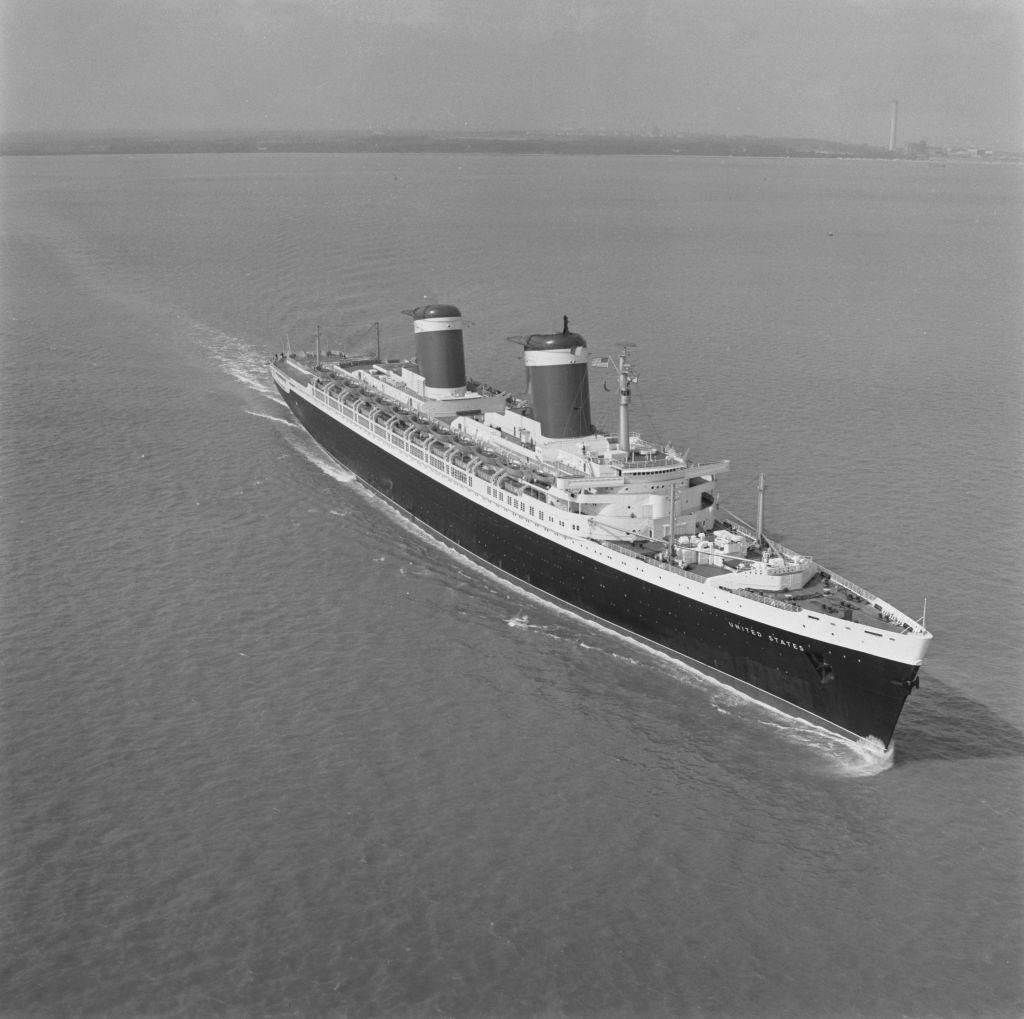
The SS United States, one of the most iconic ocean liners in American maritime history, is preparing for a final voyage that will take it beneath the waters of the Gulf of Mexico, where it is planned to become the world’s largest artificial reef.
Officials in Okaloosa County, Florida, have announced plans to sink the historic vessel during the second week of November, weather and sea conditions permitting. The designated location is approximately 22 nautical miles southwest of Destin and 32 nautical miles southeast of Pensacola.
The project aims to transform a landmark of American engineering into a marine habitat and a major tourism attraction for Florida’s Gulf Coast.
“This is an exciting move forward to create a one-of-a-kind resource for the environment and for our tourism industry,” county officials said in a news release.
A Ship That Made Maritime History
Measuring nearly 1,000 feet (305 meters) long, the SS United States is longer than the RMS Titanic and was designed during the mid-20th century as a symbol of American technological achievement.
Launched in 1952, the ocean liner made history during its maiden voyage by setting a transatlantic speed record. Traveling at an average speed of approximately 36 knots, it crossed the Atlantic in three days, 10 hours and 40 minutes, breaking the record previously held by the RMS Queen Mary.
The vessel was also designed with the capability to serve as a military troopship in an emergency, reflecting its strategic importance during the Cold War era.
For decades, the SS United States represented American innovation, luxury ocean travel and the era when transatlantic liners were among the world’s most prestigious passenger vessels.
From Philadelphia’s Waterfront to the Gulf of Mexico
After its years of service, the ship spent nearly three decades docked along the Delaware River in Philadelphia as preservationists searched for a way to restore it.
Several ambitious proposals to save the vessel ultimately failed because of the enormous costs involved. A prolonged dispute over dockage fees and rent eventually led to a court order requiring the ship to leave its berth.
In March, the SS United States was towed on a 12-day journey to the Port of Mobile, Alabama. There, crews began removing materials that could pose environmental hazards, including wiring, glass, plastics and potentially harmful substances.
Although a preservation group called the New York Coalition filed a lawsuit seeking to prevent the sinking on historical grounds, local officials have argued that converting the ship into an artificial reef offers a viable alternative to scrapping it.
Susan Gibbs, president of the SS United States Conservancy, the nonprofit organization that worked to preserve the vessel, described the ship as a symbol of American pride and excellence.
She said that, if converted into an artificial reef, it could become a unique historic attraction both above and below the waterline.
A $10.1 Million Project for Florida
Okaloosa County has committed $10.1 million to acquire the vessel, transport it, prepare it for submersion and establish the reef. The project also includes $1 million earmarked for an onshore museum dedicated to the ship’s history.
The initiative has attracted financial support from regional tourism and conservation organizations. Pensacola tourism officials contributed $1.5 million, while the Coastal Conservation Association Florida donated $500,000, described by the organization as the largest single donation in its 40-year history.
Local officials expect the project to strengthen the regional tourism economy, attracting visitors interested in maritime history, scuba diving, fishing and underwater exploration.
Paul Mixon, chairman of the Okaloosa County Board, said the collaboration could create opportunities for generations of visitors and benefit communities throughout Northwest Florida.
A New Destination for Divers and Marine Life
Once submerged, the SS United States will join more than 500 artificial reefs established in Okaloosa County, including numerous smaller shipwrecks.
The planned site has a seabed depth of approximately 180 feet (55 meters), with the ship’s upper decks expected to sit around 60 feet (18 meters) below the surface.
The location is intended to attract experienced scuba divers while also supporting marine tourism and recreational fishing. However, the depth and conditions will mean that access to different parts of the wreck will depend on divers’ training, equipment and experience.
The site is also approximately 12 nautical miles from the USS Oriskany, the former U.S. Navy aircraft carrier that was intentionally sunk off Florida in 2006 to create an artificial reef.
Okaloosa County Commissioner Mel Ponder described the arrival of the SS United States as a generational opportunity for the region, highlighting its potential benefits for divers, anglers and the wider community.
Preserving a Legacy Beneath the Sea
The transformation of the SS United States has generated both excitement over its potential environmental and economic benefits and concern among preservation advocates who believe the historic vessel deserves another chance at restoration.
Supporters of the reef project argue that the ship will provide new marine habitat while creating an unusual underwater destination capable of attracting visitors from around the world.
Darien Schaefer, president and CEO of Visit Pensacola, said the project offers an opportunity to raise the region’s international profile. Brian Gorski, executive director of Coastal Conservation Association Florida, also described the initiative as a rare opportunity to participate in creating the world’s largest artificial reef.
For a ship that once carried passengers across the Atlantic at record speeds, its next chapter will be very different. Instead of connecting continents by sea, the SS United States is intended to become a permanent destination beneath the waves, where maritime history, marine conservation and tourism meet.
If the planned sinking proceeds, the legendary liner will leave behind a legacy that extends far beyond its years as a passenger ship.