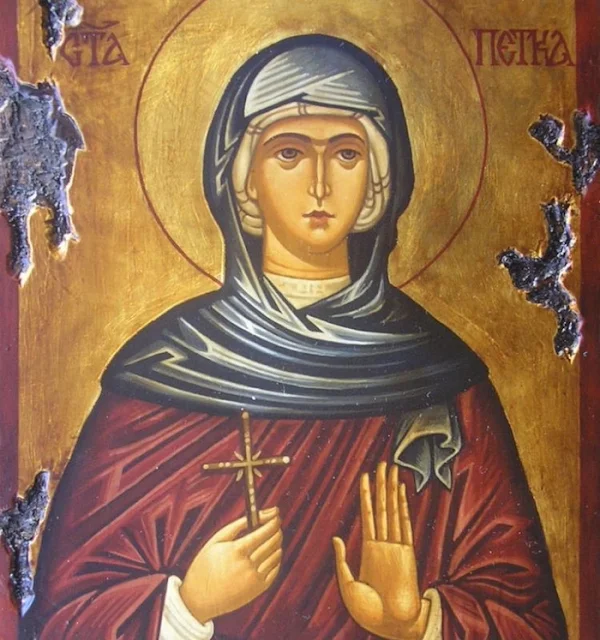
Celebrated on October 27, Saint Petka is revered across the Balkans as a symbol of healing, protection, and hope. For generations, believers have turned to her in prayer, while the holiday remains an important occasion for family gatherings and traditional customs.
Saint Petka, also known as Saint Paraskeva, holds a special place in the Orthodox Christian tradition. According to religious tradition, she lived in the 11th century and devoted her life to prayer, fasting, and helping those in need.
For centuries, believers have sought her intercession for health, particularly in connection with eye ailments, headaches, childhood illnesses, and difficult moments in life. Her feast day is observed as a time of spiritual reflection, gratitude, and hope.
According to popular belief, Saint Petka helped the sick through prayer and fasting. Many believers also associate her with miraculous healing and the preservation of her holy relics. On her feast day, people light candles, offer prayers for loved ones, and share food and sweets as expressions of faith and generosity.
Traditional Customs on Saint Petka’s Day
Across the Balkans, the celebration is marked by church services, family gatherings, and customs passed down through generations.
In many homes, families prepare traditional bread, known as pogacha, and zhito — boiled wheat traditionally prepared for religious observances. Those unable to attend church often pray at home, sometimes beside a lit candle.
Sharing food, visiting relatives, and offering hospitality are also important parts of the celebration. For many families, Saint Petka’s Day is an opportunity to reconnect with loved ones and preserve cultural and religious traditions.
Faith, Well-Being, and the Importance of Community
Although religious devotion and medical treatment serve different purposes, faith and community can provide comfort and emotional support during difficult times.
Prayer, quiet reflection, and time spent with family may help people manage stress and feel less isolated. These practices can be especially meaningful during autumn, when shorter days and colder weather often change daily routines.
The holiday can also serve as a reminder to pay attention to everyday health habits: getting sufficient sleep, eating balanced meals, staying physically active, and seeking medical advice when needed.
Autumn Traditions That Bring Families Together
Warm herbal tea, homemade soup, and baked apples with cinnamon are among the simple seasonal comforts enjoyed by many families during autumn.
A walk in the park, even on a cloudy day, can offer an opportunity for fresh air, movement, and time together. Opening windows regularly to ventilate indoor spaces and maintaining good hand hygiene can also help reduce the spread of respiratory infections.
Vitamin D is another consideration during the colder months, when people may receive less sunlight. However, supplements are not necessary at the same dose for everyone. Anyone considering vitamin D or zinc supplements, particularly for children, should consult a healthcare professional about appropriate use and dosage.
For older adults, autumn can also be a good time to discuss bone health, vitamin D levels, and calcium intake with a healthcare provider.
Saint Petka as a Reminder to Pause and Reflect
Beyond its religious significance, Saint Petka’s Day offers an opportunity to slow down and reconnect with the people who matter most.
Lighting a candle, saying a prayer, sharing a meal, or calling someone you have not spoken to in a long time can turn an ordinary day into a meaningful occasion.
For believers, Saint Petka represents faith, healing, and divine protection. For families and communities, her feast day continues to preserve traditions that bring generations together.
Observed every year on October 27, Saint Petka’s Day remains a celebration of spiritual devotion, compassion, family, and hope.