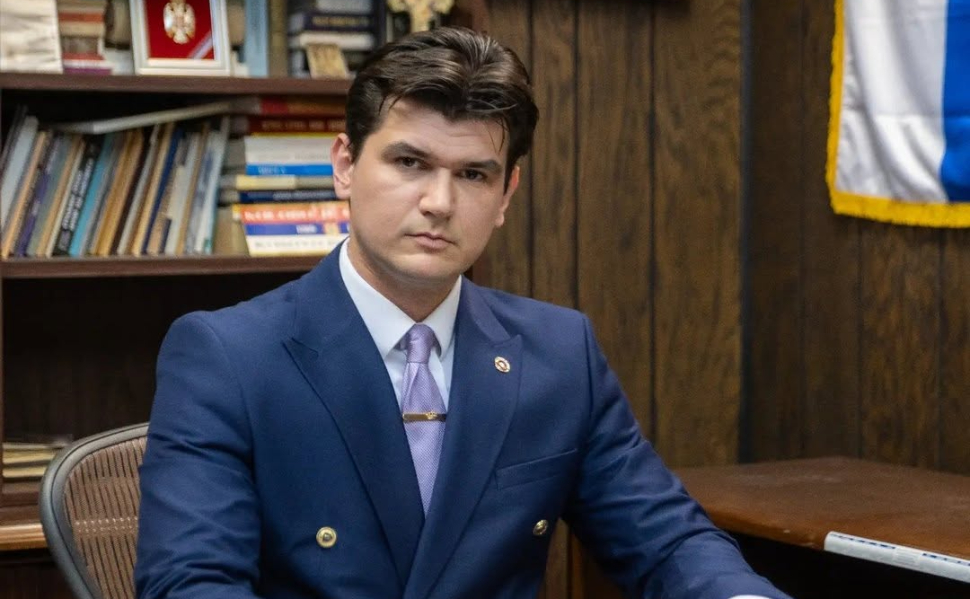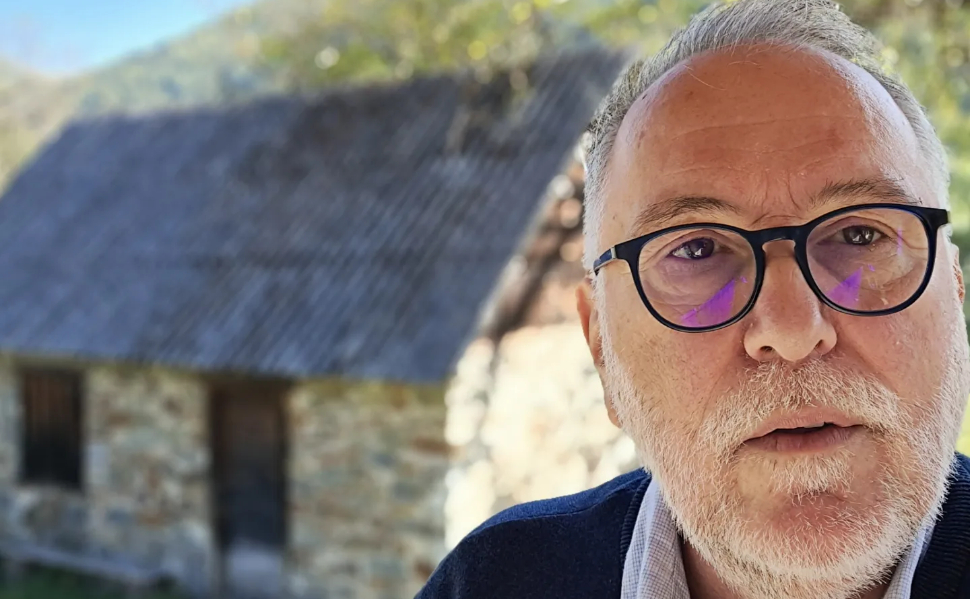
Serbian director Miroslav Lekić has announced his resignation as chairman of the Film Center of Serbia’s board. His decision follows growing pressure from film industry associations over the institution’s management and funding policies.
Lekić confirmed his decision in an interview with Serbian newspaper Danas on November 2.
Seven film associations had previously demanded the resignation of the center’s leadership. They accused the institution of failing to support Serbian filmmaking and called for changes in its management.
Several Board Members Step Down
The Film Center of Serbia resignation comes after weeks of criticism from filmmakers and industry representatives.
According to Lekić, board members Sonja Damjanović and Nenad Okanović had already submitted their resignations.
Another member, Anđelija Andrić, had also stepped down after her mandate expired.
Meanwhile, the future of other leadership positions remains uncertain.
Lekić said the board members had prepared their resignations on October 25. However, the public announcement came after film associations demanded immediate action.
The organizations had given the leadership 48 hours to resign.
Their request followed complaints about the center’s operations and the lack of regular funding competitions for film projects.
Dispute Over Funding for Serbian Films
The controversy has raised questions about the future of film production in Serbia.
Industry associations argue that the Film Center of Serbia has failed to provide consistent support for filmmakers.
They also criticized the absence of funding competitions over the past two years.
Lekić rejected the suggestion that the board alone was responsible for the delays.
He explained that the institution had repeatedly requested financial approval from the relevant ministries.
However, those requests did not receive a positive response, according to his account.
Lekić also acknowledged that the lack of funding competitions had damaged the Serbian film industry.
He expressed disappointment over projects and initiatives he could not complete during his tenure.
Nevertheless, he defended his decisions and said his departure reflected personal dissatisfaction with unfinished work rather than the associations’ criticism.
The leadership changes come at a challenging time for Serbian cinema.
Film professionals are now calling for the restoration of regular funding programs and greater institutional accountability.
The next leadership team will face pressure to address those concerns and rebuild confidence among filmmakers.