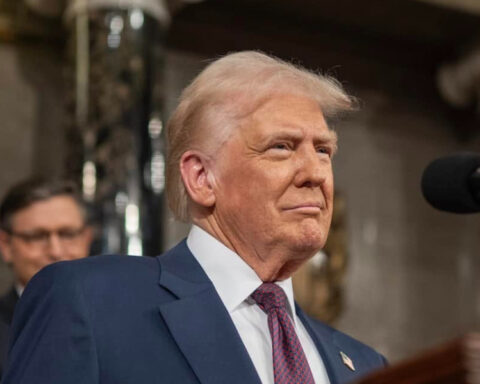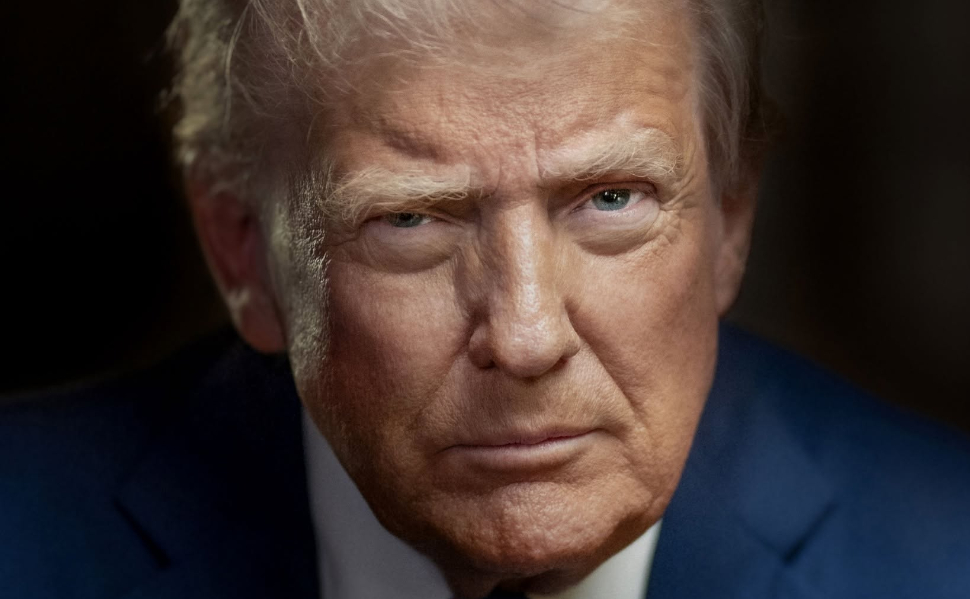
The US Supreme Court rejected an emergency request from President Donald Trump‘s administration to set aside mail-in ballots linked to more than 20,000 California voters whose citizenship status federal officials questioned.
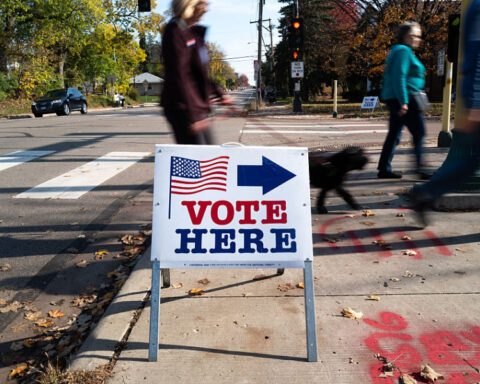
The decision came Monday, November 2, just one day before the US midterm elections. It allows California to continue counting ballots under its existing election procedures.
The justices issued a brief, unsigned order without explaining their reasoning. No dissenting opinions were recorded.
Why the Trump Administration Challenged the Ballots
The Justice Department argued that federal agencies had identified more than 20,000 registered California voters who might not be US citizens.
Federal officials wanted California to separate their mail-in ballots until election authorities could verify their citizenship status.
US law prohibits noncitizens from voting in federal elections. However, the government’s allegations did not establish that everyone on its list was ineligible to vote or had submitted a ballot.
California officials challenged the reliability of the federal government’s findings. They argued that the proposed restrictions could prevent eligible American citizens from having their votes counted.
A separate analysis by the UCLA Voting Rights Project raised additional questions about the government’s list.
Researchers found that more than 40 percent of the names they examined did not match individuals in California’s voter registration records. They also identified American citizens who appeared to have been incorrectly flagged.
The Justice Department disputed those findings.
Before the Supreme Court’s decision, lower federal courts had rejected the administration’s requests to intervene in California’s ballot-counting procedures.
What the Ruling Means for California’s Midterm Elections
The Supreme Court’s decision leaves California free to continue processing mail-in ballots without implementing the emergency restrictions requested by the Trump administration.
However, the ruling does not settle every legal question surrounding the dispute. The justices rejected the emergency application without issuing a detailed opinion on the underlying case.
California Governor Gavin Newsom welcomed the decision.
The dispute highlights a broader disagreement over election administration in the United States.
The Trump administration argues that stronger federal intervention is necessary to prevent illegal voting. California maintains that election officials must follow established verification procedures while protecting the rights of eligible voters.
California holds 52 seats in the US House of Representatives, making it a major political battleground in the fight for congressional control.
With voters heading to the polls on November 3, the Supreme Court’s decision removes an immediate legal obstacle to California’s ongoing ballot count.