Macedonian-Australian Deputy Mayor Oliver Dimoski is calling for a clearer government strategy to strengthen ties between Macedonia and its communities abroad. His appeal follows a recent visit to his hometown of Prilep and the city of Ohrid, where he discussed opportunities for closer cooperation.
Dimoski, who serves as Deputy Mayor of Georges River Council in Sydney, spoke about the importance of supporting Macedonians living overseas in an interview with SBS Macedonian.
He believes stronger institutional support could help maintain connections between the diaspora and its homeland while creating new opportunities for cooperation.
From Prilep to Local Government Leadership in Sydney
Oliver Dimoski was unanimously elected Deputy Mayor of Georges River Council on September 2, 2026.
The council confirmed that he will serve a 12-month term until September 2027, alongside Mayor Elise Borg.
Dimoski also represents Blakehurst Ward as an elected councillor.
His appointment reflects his involvement in Australian local government and community affairs.
Georges River is a local government area in southern Sydney, home to residents from diverse cultural backgrounds.
Following his election, Dimoski emphasized the responsibility that comes with public office and his commitment to serving the wider community.
His Macedonian heritage remains an important part of his public and community engagement.
During a recent visit to Macedonia, he met with local officials in Prilep and Ohrid to discuss possible cooperation between their municipalities and communities in Australia.
Building Stronger Connections With Macedonia
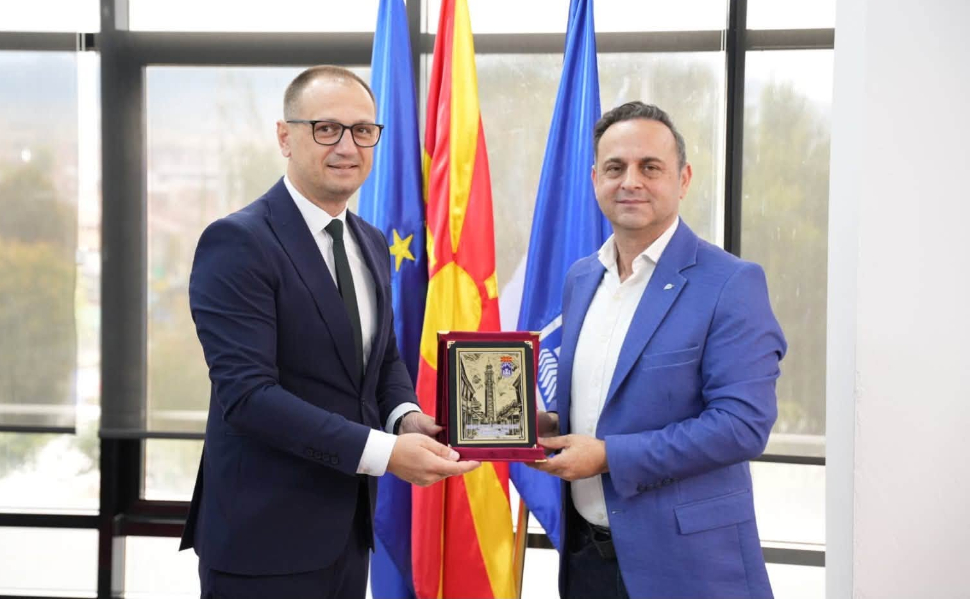
On October 12, Dimoski met with Prilep Mayor Dejan Prodanoski.
Their discussions focused on maintaining connections with Macedonian emigrants, encouraging cooperation and exploring opportunities to promote Prilep internationally.
Dimoski also met with Ohrid Mayor Kiril Pecakov on October 13.
According to the Municipality of Ohrid, the meeting explored ways to strengthen relations between local communities and Macedonians living in Australia.
The discussions also highlighted the diaspora’s potential role in promoting Ohrid and supporting future cooperation.
In his interview with SBS Macedonian, Dimoski said the Macedonian government should develop a clear strategy for engaging with its diaspora and provide stronger institutional support.
His comments underline the importance of maintaining meaningful relationships with Macedonians who have built their lives and careers overseas.
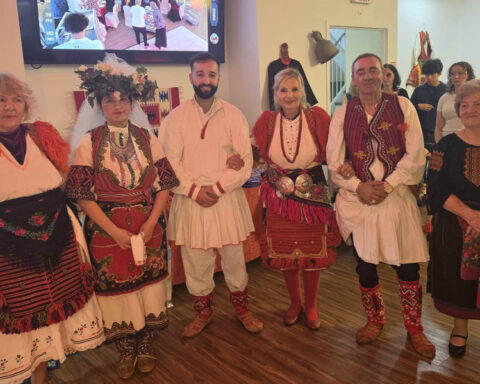
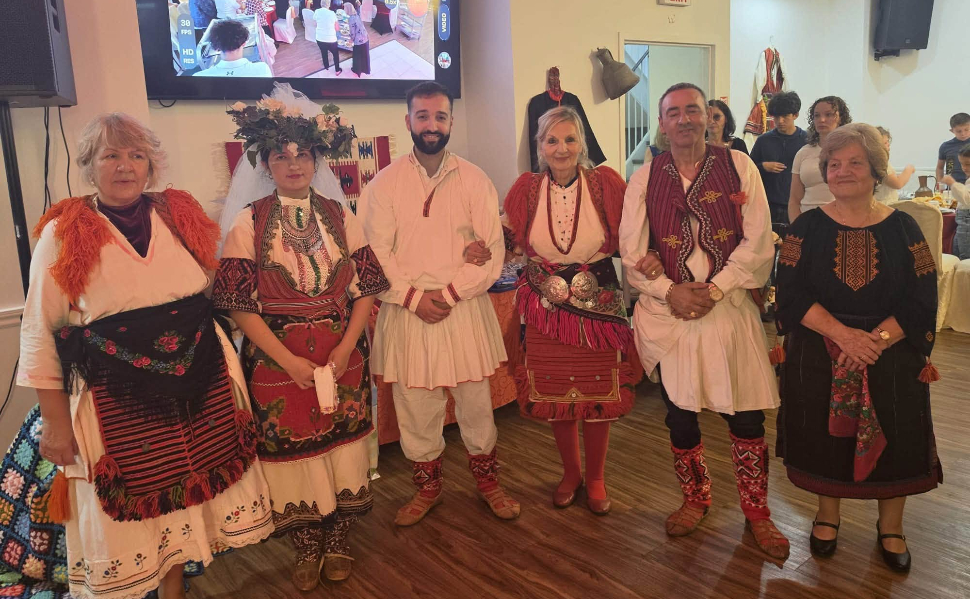
For Macedonian communities in Australia, cultural associations and local initiatives have long helped preserve language, traditions and connections with their homeland.
Dimoski’s involvement in Australian local government offers an opportunity to encourage dialogue between institutions in both countries.
However, the recent meetings have not yet resulted in publicly announced formal agreements or specific joint projects.
The next step will be determining whether the discussions can lead to practical cooperation that benefits communities in Macedonia and Australia.