Skopje, the capital of Macedonia, has earned a recommendation from Croatian news outlet Tportal, which describes the city as an appealing weekend destination filled with history, architectural contrasts, and welcoming locals.
In a travel guide published on November 8, Tportal highlights Skopje’s historic neighborhoods, traditional cuisine, cultural landmarks, and nearby natural attractions.
The Croatian publication presents the Macedonian capital as a city where Ottoman heritage meets modern architecture, offering visitors a distinctive experience in the Balkans.
Historic Streets, Local Food and Architectural Contrasts
One of the guide’s main recommendations is the Stone Bridge, a landmark connecting Macedonia Square with the historic Old Bazaar.
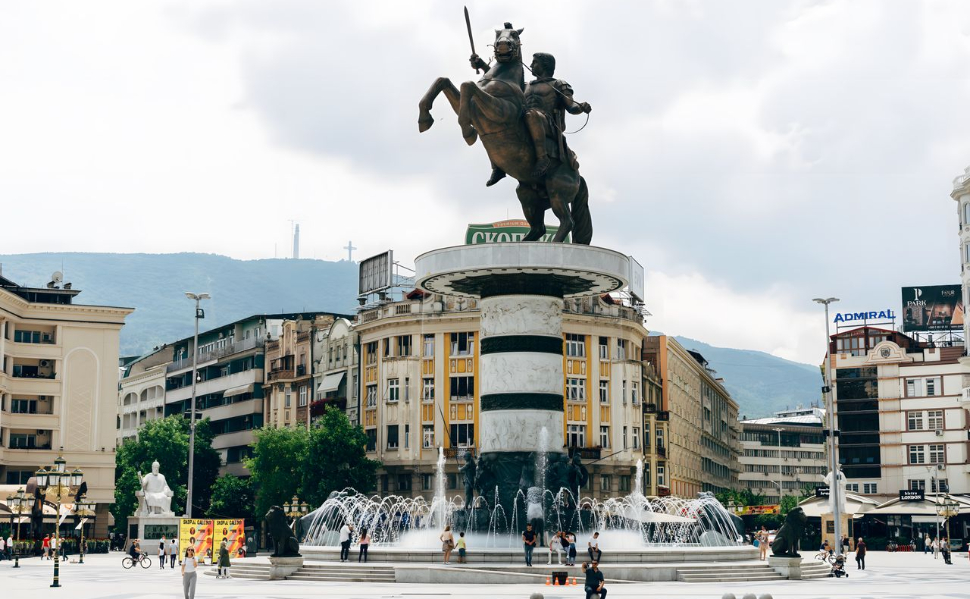
The bridge crosses the Vardar River and offers visitors a glimpse of two contrasting sides of the city. On one side stands the modern center, with its monuments and neoclassical buildings. On the other, narrow cobblestone streets lead into one of the Balkans’ most recognizable Ottoman-era marketplaces.
Tportal encourages travelers to explore the Old Bazaar’s traditional workshops, jewelry stores, historic bathhouses, and cafés.
The guide also recommends visiting Kale Fortress, where visitors can enjoy panoramic views of Skopje and the surrounding mountains.
For an authentic local dining experience, the Croatian outlet highlights Debar Maalo, a neighborhood known for its restaurants and lively atmosphere.
Traditional Macedonian dishes such as tavče gravče, ajvar, pinđur, and grilled specialties feature prominently in the recommendations. The guide also mentions local wines and the custom of spending long evenings enjoying food and conversation.
Matka Canyon, Mother Teresa and Mount Vodno
Beyond the city center, Tportal recommends Matka Canyon, located approximately 30 minutes from central Skopje by car.
The canyon offers opportunities for kayaking, boat excursions, and exploring the surrounding natural landscape. Visitors can also discover Vrelo Cave and historic monasteries nestled among the limestone cliffs.
Another recommended attraction is the Memorial House of Mother Teresa, who was born in Skopje in 1910. The museum preserves photographs, documents, and personal objects associated with her life.
For travelers seeking panoramic views, the guide suggests taking the cable car to Mount Vodno and visiting the Millennium Cross, which overlooks the Skopje valley.
The Croatian publication’s recommendation introduces Skopje to travelers seeking a city break beyond Europe’s more familiar tourist destinations.
For Macedonians living abroad, the coverage also offers an opportunity to rediscover the capital through an international travel perspective.
With its layered history, traditional food, and nearby natural attractions, Skopje continues to attract attention as a destination worth exploring in the Balkans.