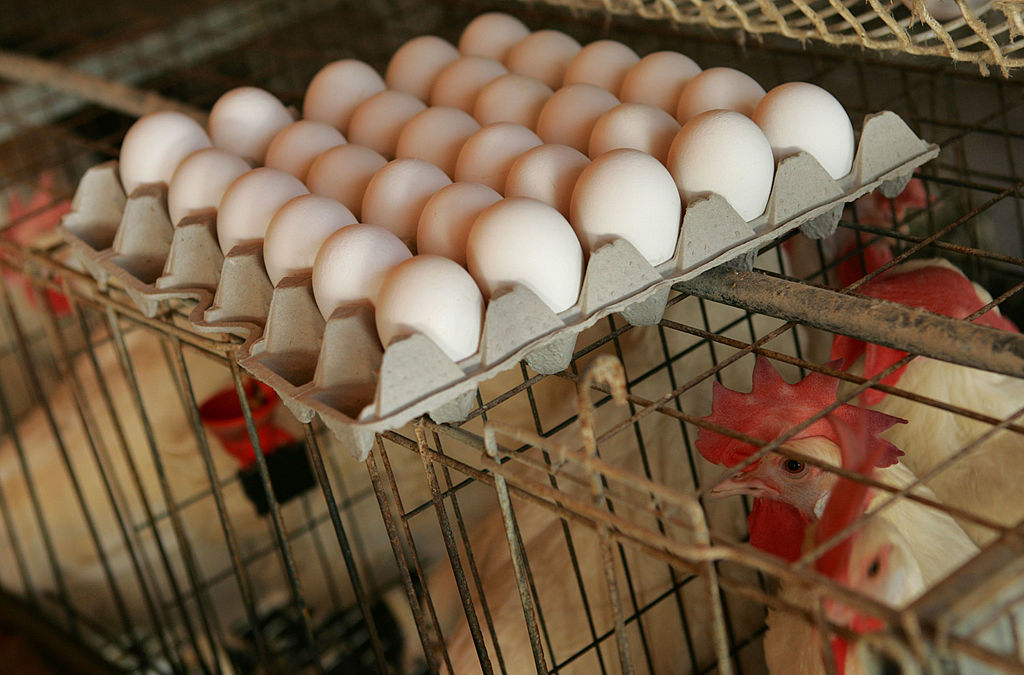
Cal-Maine Foods, the largest egg producer in the United States, plans to cull nearly 1.8 million birds after an outbreak of highly pathogenic avian influenza (bird flu) was detected at one of its facilities in Florida.
The affected flock includes approximately 1.4 million egg-laying hens and 360,000 young chickens, known as pullets. The birds represent about 2.7% of the company’s total flock.
“Production at the facility has temporarily ceased as the company follows the protocols prescribed by the U.S. Department of Agriculture,” Cal-Maine Foods said in a statement released Wednesday.
The company, which operates dozens of facilities across the southern and eastern United States, has the capacity to house up to 57 million egg-laying hens.
Cal-Maine Foods said its extensive network of facilities provides operational flexibility and resilience as it works to minimize potential disruptions for customers.
The company also emphasized that it maintains strict biosecurity measures across its locations but acknowledged that no poultry farm is completely protected against highly pathogenic avian influenza (HPAI).
The virus continues to circulate among wild birds, with the risk of outbreaks increasing during seasonal migration periods.
Egg prices begin to rise
The announcement comes as wholesale egg prices have increased over the past week, according to a U.S. Department of Agriculture report. Wholesale prices rose by $0.27 to reach $0.73 per dozen.
Although prices are climbing, they remain well below the record levels seen during the 2024–2025 bird flu crisis, when retail cartons of eggs cost more than $8 in some markets.
Egg prices can rise when infected poultry flocks are culled to contain the virus, reducing the number of hens available for egg production and potentially affecting the national supply.
Bird flu continues to spread across the country
The virus has been detected in wild animals and poultry operations across the United States. Recent outbreaks have also affected other species, including mink at a farm in Utah.
In October, nearly one million chickens were culled following an outbreak in Illinois. According to the USDA’s tracking data, more than two million birds have been affected nationwide over the past 30 days.
Bird flu has also raised concerns about human infections. A dairy worker in Washington state recently died from complications associated with the virus, marking the first U.S. bird flu-related death reported this year.
Federal data show that nearly 1,400 people have been monitored for potential bird flu exposure since October 4.
Despite these developments, public health officials continue to assess the risk to the general population as low.
Humans can become infected when the virus enters the body through the eyes, nose or mouth, or through inhalation. So far, there have been no documented cases of sustained human-to-human transmission, although scientists remain concerned that mutations could potentially change the virus’s ability to spread.
“We have something that is an obvious danger and we’re not doing anything about it,” Gigi Gronvall, a biosecurity expert at the Johns Hopkins Bloomberg School of Public Health, told The New York Times earlier this month.