Apartment prices in Croatia have increased by 73% over the past five years, while the number of property transactions has fallen by 31%, according to an analysis by the Croatian Association of Real Estate Agents (HUPN). Data from the Croatian Bureau of Statistics (CBS) point to the same growing gap between rising prices and declining sales.
The analysis was presented by Filip Brkan, owner of the real estate agency Imperium Immobiliare, and is based on more than 200,000 apartment transactions across Croatia. Unlike advertised prices, the research examines actual prices recorded in sales contracts.
Smaller apartments have experienced the sharpest price increases, with the average price per square meter rising by as much as 88%.
The share of apartments sold for up to €100,000 (approximately 195,583 Bosnian convertible marks) has dropped dramatically, from 56% to just 16%.
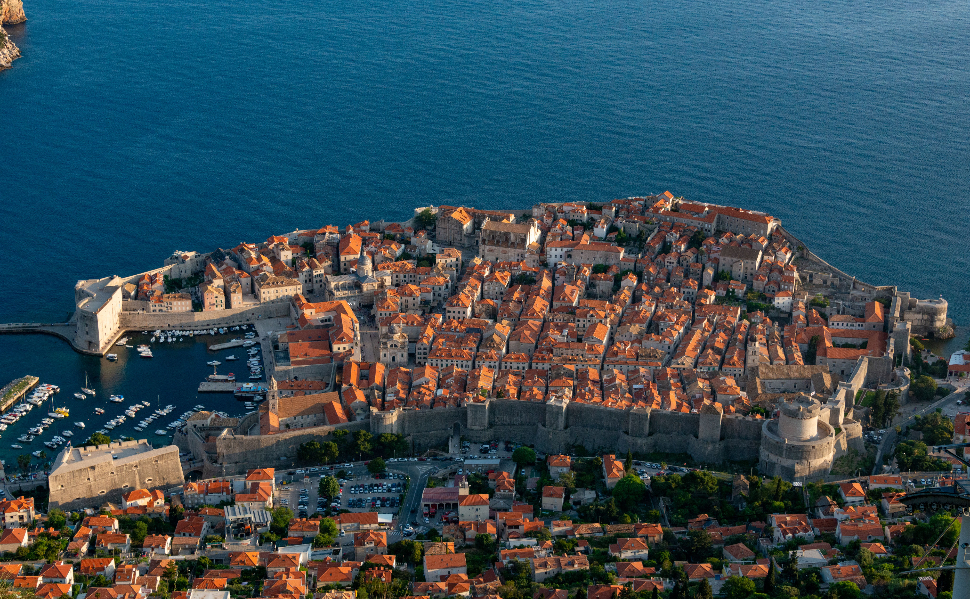
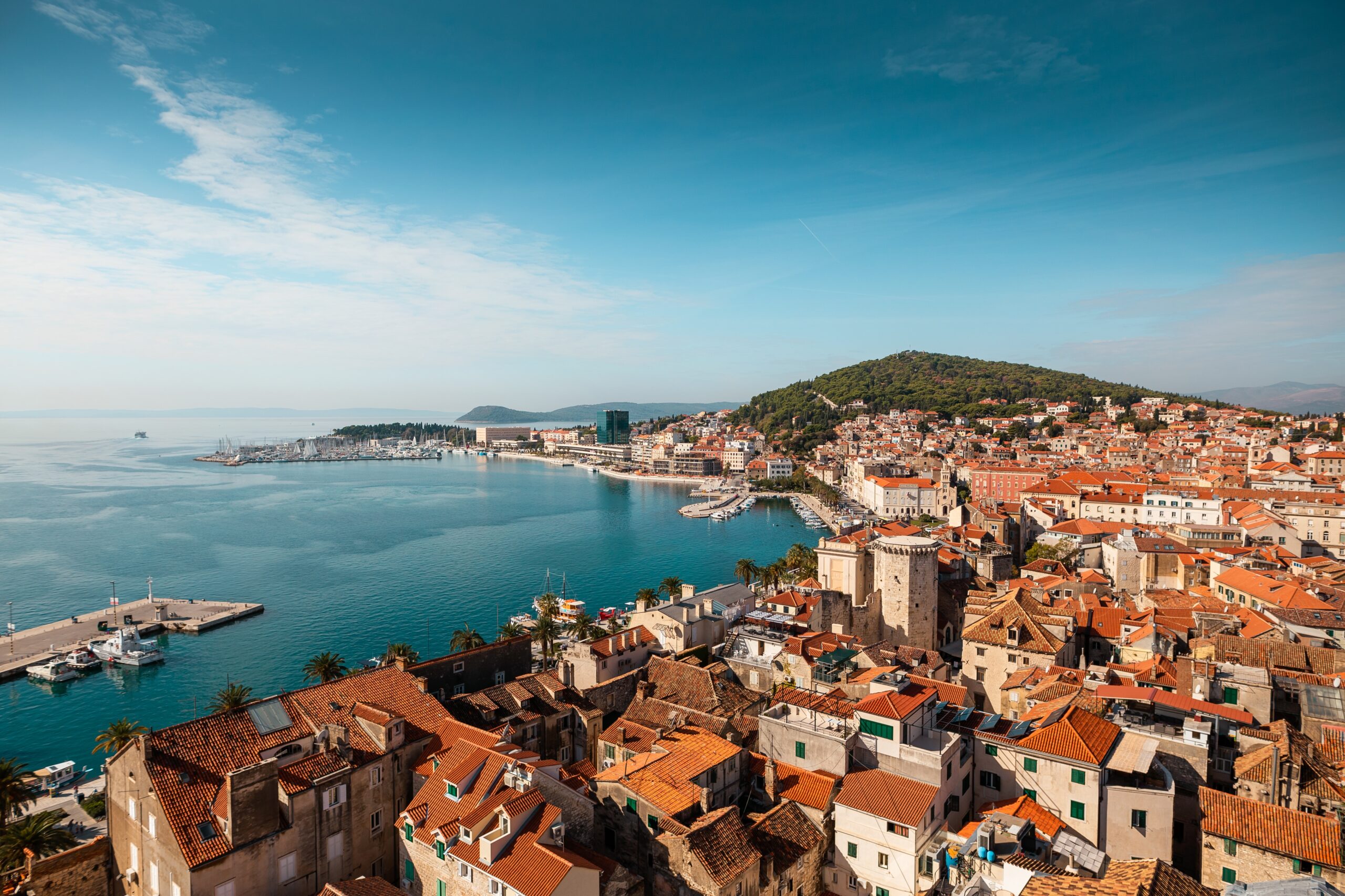
Among Croatia’s major cities, Split currently has the highest average apartment price, at €4,407 per square meter, followed by Dubrovnik at €4,354 and Zagreb at €3,440.
The price gap between Split and Osijek has also widened considerably. In 2021, the difference was €1,340 per square meter; by 2025, it had increased to €2,290.
Property sales fall by one-third
Official statistics confirm the trend. According to the latest CBS report, residential properties in Croatia were 12.7% more expensive in the second quarter of this year compared with the same period a year earlier.
Prices of existing properties increased by 14.1%, while newly built homes became 9.2% more expensive.
Price growth varied across the country:
- Zagreb: 15.7%
- Adriatic region: 9%
- Other parts of Croatia: 15.8%
At the same time, 33.3% fewer residential properties were sold compared with the same quarter of the previous year. Transactions involving existing properties fell by 35.9%.
The CBS cautioned that the figures are provisional because the Tax Administration has changed the way it submits transaction data.
Could Croatia’s property market face a price correction?
The HUPN analysis warns that if property transactions continue to decline in 2027 while prices remain stable, this could be a classic precursor to a market price correction.
Branko Papeš, director of the real estate agency Dogma, said at a property forum that traditional supply-and-demand principles do not appear to apply in the Croatian market. Many property owners maintain high asking prices for years, preferring to wait for a buyer rather than reduce their expectations.
As an example, he cited an owner in one of Split’s most desirable locations who is asking €1.3 million (approximately 2.54 million convertible marks) for a 70-square-meter apartment. According to Papeš, that price would be difficult to find even in Milan.
Over the same five-year period, Croatia’s average net salary increased by 53%. This means apartment prices have risen 20 percentage points faster than wages, making homeownership increasingly difficult for many residents.