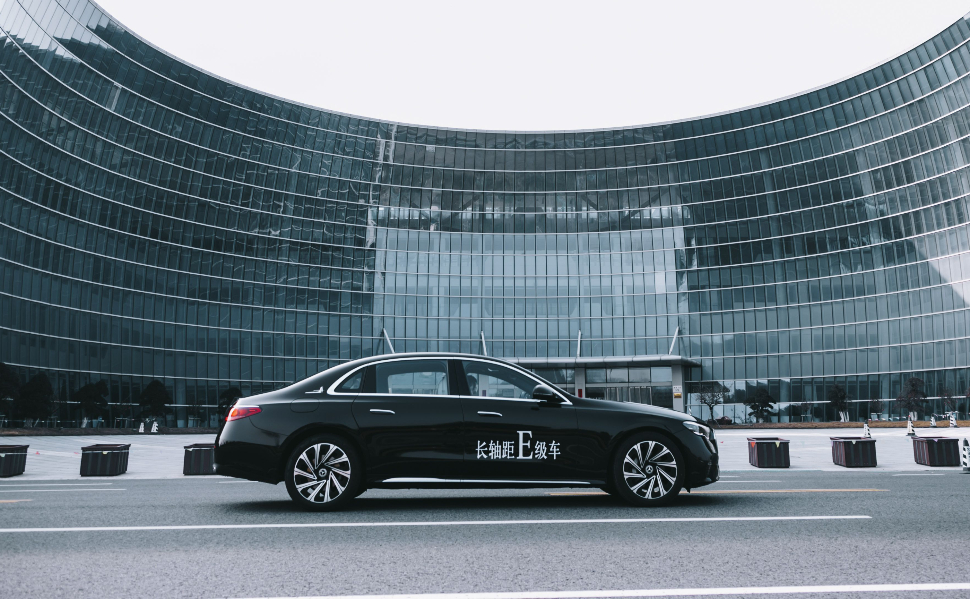
Major US automakers are urging Congress to approve a permanent ban on Chinese vehicles, citing national security concerns and growing competition from Chinese manufacturers.
The Alliance for Automotive Innovation, which represents General Motors, Toyota, Volkswagen and other major carmakers, renewed its call on November 2.
The industry group wants lawmakers to pass the legislation when Congress returns after the November 3 midterm elections.
The proposal would strengthen existing restrictions on Chinese-connected vehicles and make them harder to reverse.
Why US Automakers Want a Permanent Ban
American automakers argue that Chinese vehicles could threaten domestic manufacturing and expose drivers to surveillance risks.
Modern connected cars collect substantial amounts of information through cameras, sensors, navigation systems and internet-connected technology.
Industry representatives are concerned that Chinese companies could potentially access sensitive information about American drivers.
John Bozzella, president and CEO of the Alliance for Automotive Innovation, warned that Chinese imports could undermine manufacturers that have invested heavily in US production facilities.
The group also pointed to China’s expanding presence in Europe.
According to Bozzella, the European Union imported more than 1.1 million vehicles from China during the first eight months of 2026, exceeding the total for all of 2025.
US manufacturers fear that a similar expansion into the American market could increase competitive pressure on domestic automakers.
However, China has criticized previous American restrictions, arguing that they undermine fair competition and market principles.
What Happens Next in Congress?
The proposed legislation has bipartisan support.
Republican Senator Bernie Moreno of Ohio and Democratic Senator Elissa Slotkin of Michigan have backed efforts to make restrictions on Chinese vehicles permanent.
A Senate committee approved the legislation in July, while a related House proposal has attracted more than 100 co-sponsors.
Still, Congress has not passed the measure.
Lawmakers are expected to revisit the proposal after the midterm elections, with supporters hoping for final approval before the current congressional session ends in December.
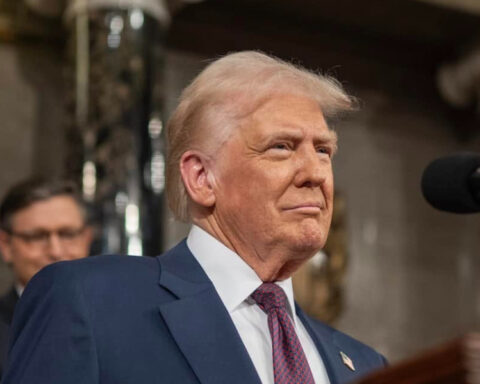
The debate also highlights differences between the automotive industry’s position and President Donald Trump’s comments.
In September, Trump indicated that he would be open to Chinese automakers establishing manufacturing operations in the United States.
His remarks raised concerns among companies seeking stronger restrictions on Chinese vehicles.
Existing regulations introduced under former President Joe Biden already effectively prevent Chinese automakers from selling or manufacturing passenger vehicles in the US over data security concerns.
Additionally, Washington maintains tariffs exceeding 100% on Chinese electric vehicles.
The new legislation would make those restrictions more permanent.
For American consumers, the debate could influence future vehicle availability and competition. For the automotive industry, the outcome could affect investment decisions and the future of manufacturing in the United States.