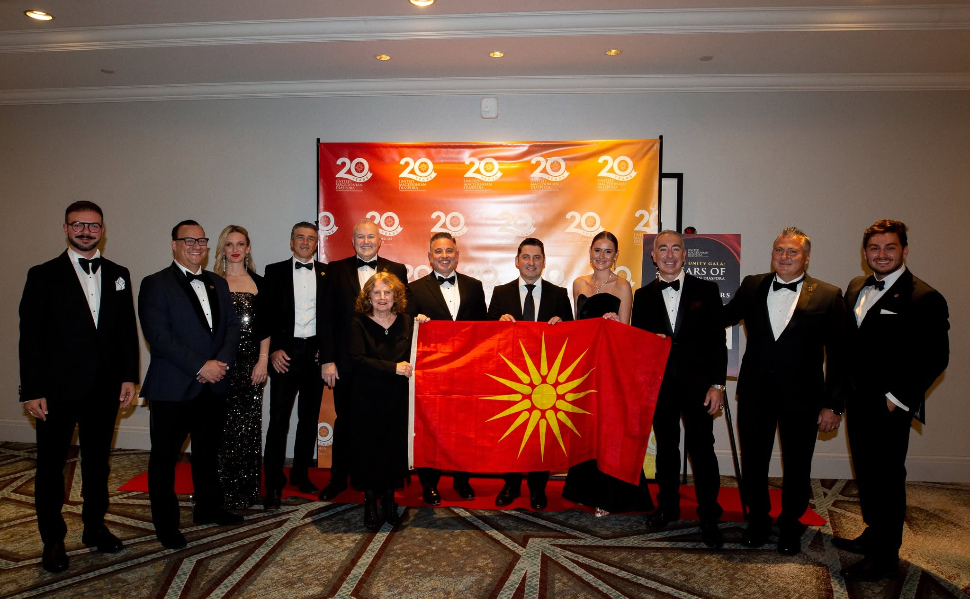
Thousands of miles from Macedonia, in the heart of America’s automotive industry, generations of Macedonian immigrants have built a community that continues to preserve its language, traditions and cultural identity.
Detroit, Michigan, became one of the most important destinations for Macedonian immigrants during the 20th century. Drawn by industrial jobs and the promise of a better future, they established families, businesses, churches and cultural organizations that helped transform the region into a major center of Macedonian-American life.
Today, the community extends well beyond Detroit itself, particularly into suburbs such as Sterling Heights and Warren, where Macedonian heritage remains an important part of local community life.
How Detroit’s Auto Industry Attracted Macedonian Immigrants
The history of Macedonians in Detroit is closely connected to the city’s transformation into America’s automotive capital.
During the early 20th century, Detroit’s expanding automobile factories attracted workers from across Europe. Immigrants from Macedonia were among those who sought employment in the region’s growing industrial economy.
The promise of steady wages offered opportunities that were difficult to find in their hometowns and villages.
Some of the earliest immigrants worked in factories and other industrial occupations, while others eventually established small businesses and became involved in local community organizations.
The migration did not happen in a single wave.
Macedonian immigrants arrived throughout the first half of the 20th century, while another significant wave followed during the late 1960s and early 1970s.
According to the history published by the Macedonian Orthodox Church of the Nativity of the Virgin Mary in Sterling Heights, many families arriving during this later period were searching for better opportunities for themselves and their children.
As the community grew, Macedonians began creating organizations that would help newcomers adapt to American life while maintaining connections to their homeland.
Early associations often brought together people from the same villages or regions, providing social support and a familiar environment in a new country.
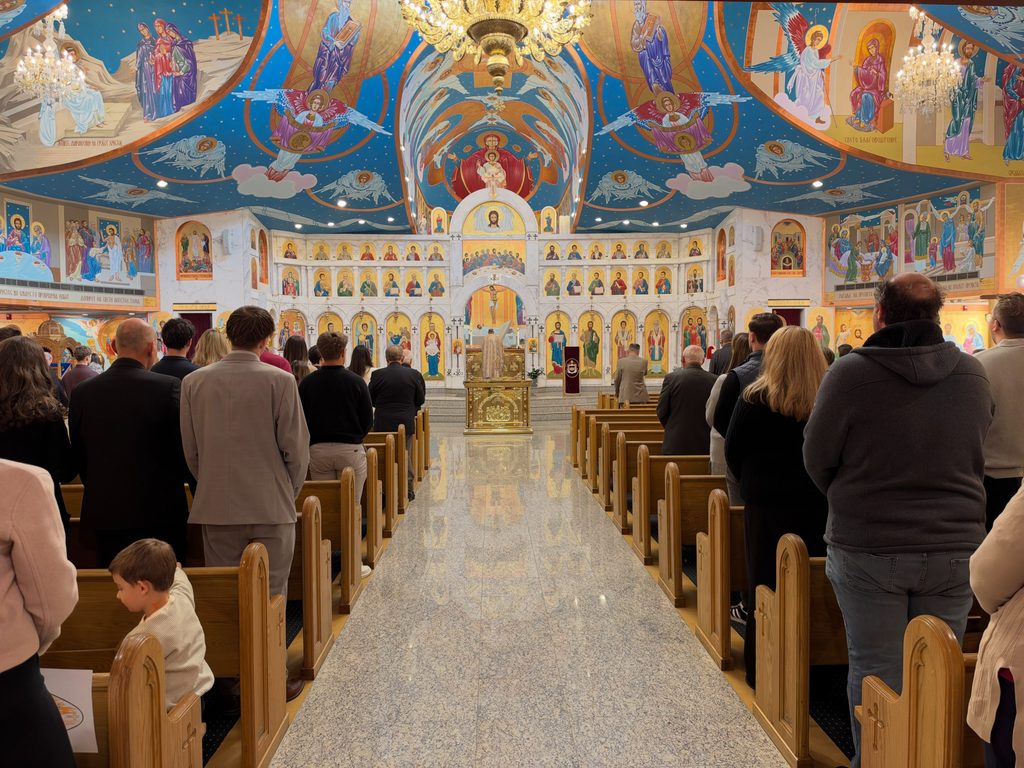

How Macedonian Churches Helped Preserve a Community
One of the most important milestones in Detroit’s Macedonian-American history came in the 1970s.
For years, many Macedonian immigrants attended Greek, Bulgarian or Serbian Orthodox churches because they did not have a parish of their own under the Macedonian Orthodox Church.
That began to change in December 1974, when a group of community members established an initiative board to create a Macedonian Orthodox parish.
On January 14, 1975, the Holy Synod of the Macedonian Orthodox Church in Skopje approved the establishment of the new community.
The Church of the Nativity of the Virgin Mary was formally registered in Michigan on February 3, 1975.
Three months later, on May 4, the first Divine Liturgy in the Macedonian language was celebrated for the new parish in Metropolitan Detroit.
The church eventually established a permanent presence in Warren before expanding to Sterling Heights.
In September 1992, the parish purchased land at the intersection of 19 Mile and Ryan Roads for a new church and community facilities.
The institution became an important gathering place for religious celebrations, cultural activities and events connecting Macedonian-American families.
Its activities today include a youth group, a cultural dance ensemble and a community radio program called Macedonian Voice.
For many immigrant families, such institutions have provided opportunities to pass traditions and the Macedonian language to younger generations.
The broader Detroit area has also supported a variety of Macedonian community organizations and businesses over the decades.
The history of the community reflects a familiar immigrant experience: building a new life in America while maintaining meaningful connections to the country of origin.
More than a century after the earliest Macedonian immigrants arrived in Detroit’s industrial neighborhoods, their cultural legacy remains visible in the region.
For Macedonian-Americans in Michigan, Detroit is not simply a place where their families settled. It is part of a history that connects generations across two continents.