The European Union is reconsidering a decades-old ban on six American grape varieties used in winemaking. A French lawmaker wants to allow European producers to use the grapes commercially, but major wine-producing countries and industry representatives remain opposed.
French Member of the European Parliament Éric Sargiacomo has renewed efforts to remove restrictions on Noah, Othello, Isabelle, Jacquez, Clinton and Herbemont.
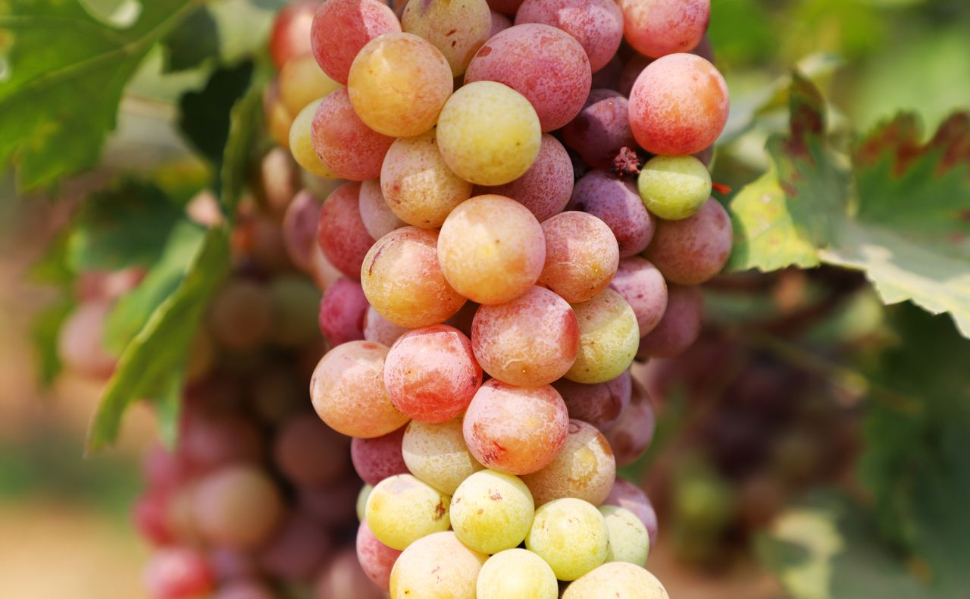
The six grape varieties originated in North America and reached Europe during the 19th century. They became part of European vineyards at a time when growers were struggling with devastating vine diseases and pests.
However, European authorities later restricted their use in commercial wine production over concerns about quality, production levels and market stability.
Now, the debate has returned to Brussels as lawmakers discuss future agricultural market regulations.
Why Were American Grape Varieties Banned in Europe?
France introduced restrictions on the six American grape varieties during the 1930s, when its wine industry faced falling prices and excessive production.
Other European countries later adopted similar measures.
Today, EU regulations continue to prohibit member states from approving these six varieties for commercial wine production.
However, the restrictions do not apply to every American grapevine or every hybrid variety.
In fact, European vineyards have long relied on American rootstocks to protect traditional European grapevines against phylloxera, a destructive insect that attacks vine roots.
Sargiacomo argues that the existing restrictions no longer reflect modern winemaking practices.
He also points to an inconsistency in European trade rules. Wines produced from the restricted varieties can enter the European market through imports, while EU producers cannot commercially produce equivalent wines using those grapes.
Supporters believe modern production techniques could address historical concerns about quality.
They also argue that winemakers should have greater freedom to experiment with different grape varieties and respond to changing consumer preferences.
Wine heritage specialist Jérôme Villaret has supported the initiative, arguing that earlier production methods contributed to the negative reputation of these wines.
European Wine Industry Divided Over Proposed Changes
Despite support from some lawmakers and wine specialists, the proposal faces resistance from established European wine producers.
The Comité Européen des Entreprises Vins, which represents European wine companies, has raised concerns about the potential impact on production.
Industry representatives warn that the six American grape varieties can produce particularly high yields.
Allowing their commercial use could increase wine supplies at a time when European producers already face pressure from declining consumption.
Critics also question the distinctive flavor associated with some of these varieties.
Often described as a musky or grape juice-like taste, the flavor differs from the characteristics traditionally associated with many European wines.
France, Italy and Spain previously opposed efforts to remove the restrictions, citing concerns about quality and the reputation of European wines.
A similar proposal failed to secure agreement during earlier EU agricultural negotiations.
In 2026, Sargiacomo gained support in the European Parliament for amendments that would have permitted the varieties. However, the changes were removed during negotiations with the Council of the European Union.
The lawmaker is now seeking to introduce the proposal through future rules governing the EU’s common agricultural markets after 2027.
The debate comes as Europe’s wine industry faces broader challenges.
Consumption has declined, while climate change and uncertain export conditions have placed additional pressure on producers.
For American grape growers and wine enthusiasts, the discussion highlights the historical connection between North American grape varieties and European viticulture.
However, the proposed change would primarily affect commercial wine production within the European Union.
No final decision has been reached, and the six varieties remain restricted under current EU rules.