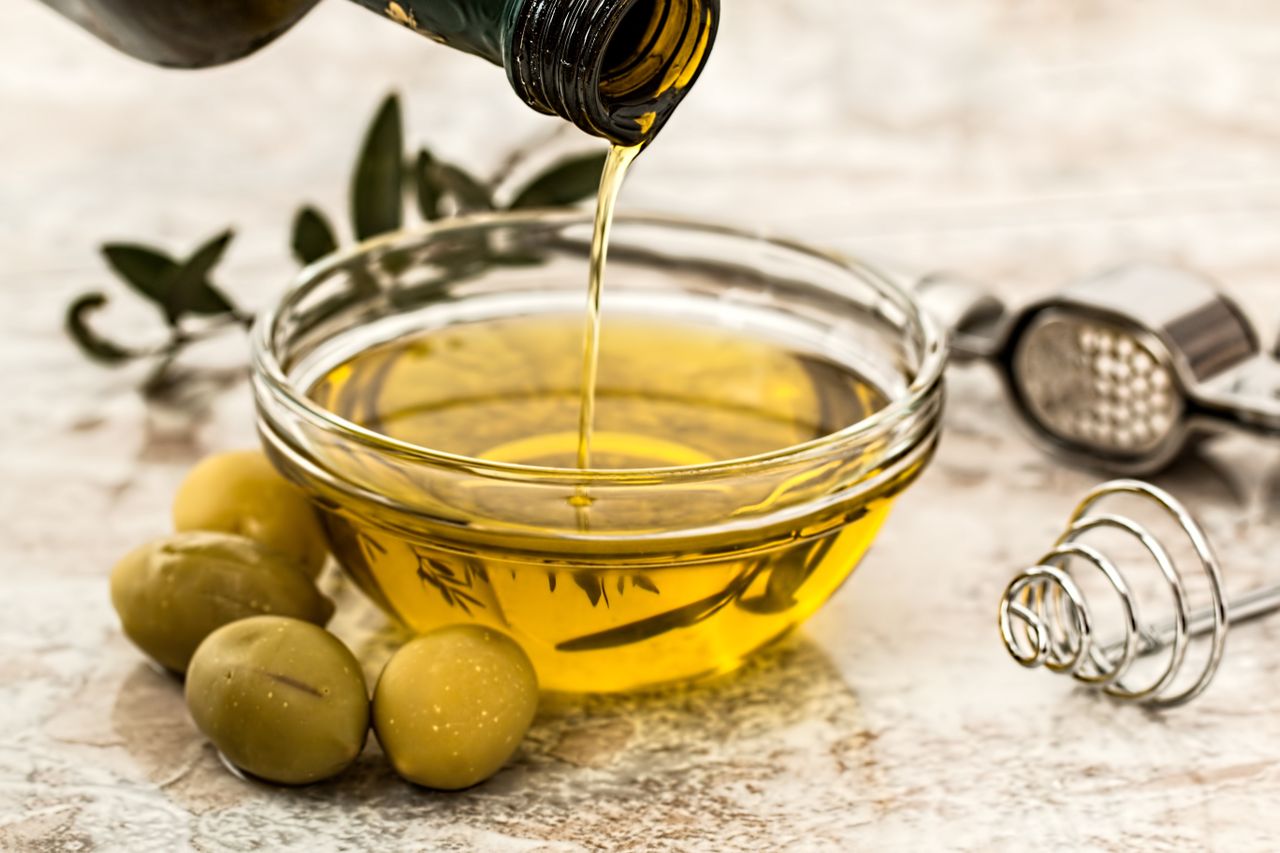
Spain is taking approximately 188,000 tons of olive oil off the market to prevent prices from falling further. The world’s largest olive oil producer has ordered mills to store 12% of their output as the country prepares for one of its biggest harvests in recent years.
The measure took effect on November 6, 2026, following its publication in Spain’s Official State Gazette.
Under the new rules, producers must keep the designated oil in storage until September 30, 2027.
The Spanish government hopes to protect farmers’ incomes while maintaining stability in the olive oil market.
Why Spain Is Restricting Olive Oil Supplies
Spain expects to produce approximately 1.6 million tons of olive oil during the 2026–2027 season, an increase of 23% compared with the previous year.
The country also entered the season with 357,040 tons of olive oil already in storage.
Together, these supplies exceed the threshold that allows Spanish authorities to intervene in the market.
According to the Ministry of Agriculture, favorable spring weather helped olive trees produce a particularly strong crop.
However, the expected abundance has created concerns about falling prices.
In early November, Spanish producers received approximately €3 per kilogram of extra virgin olive oil, compared with around €4 a year earlier.
Spain previously experienced significant price increases after droughts and extreme heat reduced olive harvests.
Now, recovering production has created the opposite challenge.
The government wants to prevent excessive supplies from pushing producer prices even lower.
Each olive oil mill must temporarily withhold 12% of its declared monthly production, beginning with November’s output.
The requirement does not apply to oil produced in October or earlier.
Producers can store the oil at their own facilities or use third-party warehouses.
Spanish authorities will monitor compliance and may revise the restrictions after December 31, depending on market conditions.
What Could This Mean for Global Olive Oil Prices?
Spain plays a major role in international olive oil markets.
According to its Agriculture Ministry, the country accounts for approximately 45% of global olive oil production and 70% of European Union production, although these figures vary between harvests.
Changes in Spanish supply can therefore influence international market conditions.
The government’s decision could also attract attention from American importers and consumers.
However, the measure does not automatically mean that supermarket prices in the United States will increase.
Retail prices depend on several factors, including transportation costs, exchange rates, existing inventories and contracts between suppliers and retailers.
Spanish Agriculture Minister Luis Planas has emphasized that the restrictions are intended to support producers without encouraging higher consumer prices.
The decision has also raised questions about government intervention in agricultural markets.
Some industry representatives have expressed concerns that limiting supply could affect competition and consumers.
Others question whether temporary storage will provide lasting support for farmers if production remains high.
For now, Spain is moving ahead with its plan to withhold part of the new harvest.
The measure marks an unusual intervention in the world’s largest olive oil market and could influence supply decisions throughout the 2026–2027 season.