Skopje marks the 82nd anniversary of its liberation on November 13 with tributes at three memorial sites and an evening ceremony at the Macedonian Opera and Ballet. The anniversary commemorates the day in 1944 when Macedonian partisan units freed the city from German occupation after several days of fighting.
The city’s program includes flower-laying ceremonies at the Partisan Cemetery in Butel, at the grave of General Mihajlo Apostolski in the Alley of Distinguished Citizens, and at the monument to Skopje’s liberators outside the government building. The city will present its annual November 13 Award at the evening ceremony.
The Battle for Skopje in November 1944
Fighters from the 42nd and 50th National Liberation divisions and the 16th Macedonian Brigade took part in the operation. Before advancing on Skopje, partisan units had fought near Veles and Štip. They approached the city from the south, east and north, seeking to surround German forces and prevent them from destroying key infrastructure as they withdrew.
Local workers and young people organized into groups that attacked German positions and assisted partisan units during street fighting. The fighting reached several points in the city center, including the main post office, the Officers’ Club, the National Bank and the old railway station.
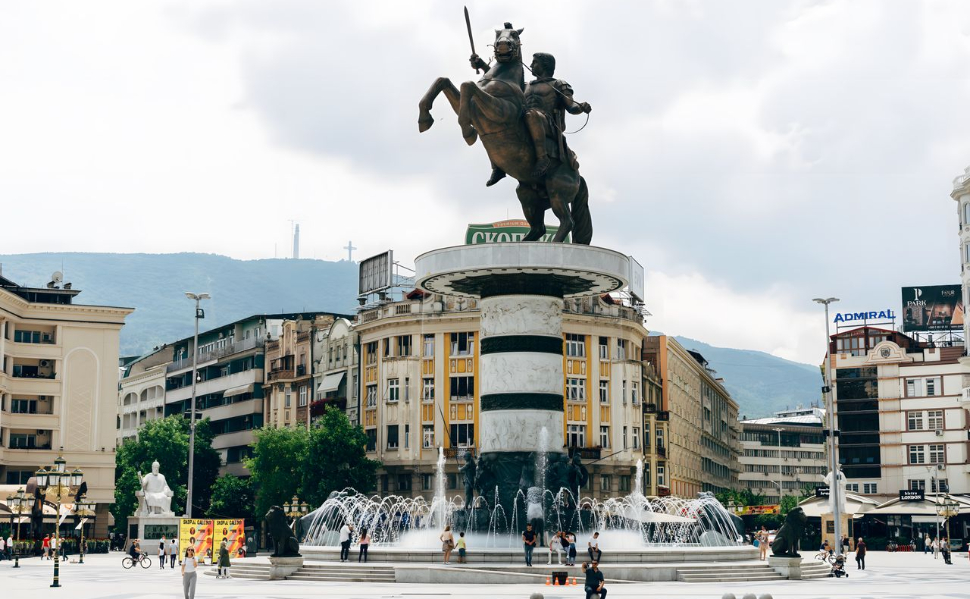
Macedonian fighters also saved the Matka hydroelectric plant from destruction. Residents helped defend the Stone Bridge, which occupation forces had planned to mine. The bridge still spans the Vardar in central Skopje, linking Macedonia Square with the Old Bazaar area.
More than 420 fighters died in the battle to liberate Skopje. Local accounts put the number of city residents who died over the course of World War II at about 4,600.
How the City Commemorates November 13
The commemorations take place on both sides of the city. In Butel, the program includes a tribute at the monument in the Partisan Cemetery and a separate stop at Apostolski’s grave. In the city center, another monument to the liberators stands outside the government building, a short distance from sites where fighting took place in 1944.
The evening ceremony shifts the focus to the city’s November 13 Award, which takes its name from Liberation Day. This year, the Macedonian Opera and Ballet will host the presentation after the daytime tributes.
For Macedonians who grew up in Skopje and now live abroad, the anniversary also offers a different way to read the geography of the city they remember. The Stone Bridge and the old railway station are familiar landmarks today. Both figured in the fighting that ended the occupation on November 13, 1944.