The United States has officially lost its measles-elimination status after 26 years, as the highly contagious virus continues to spread across the country, with most infections occurring among unvaccinated individuals.
The Pan American Health Organization (PAHO) announced the decision Tuesday, November 17, following a resurgence of measles in the United States, Mexico and Bolivia. Canada had already lost its measles-free status last year, meaning all of North America is now facing renewed challenges in containing the disease.
The designation is largely symbolic, but it represents a significant setback for public health after decades of successful vaccination campaigns. Health experts warn that the resurgence could signal the return of other vaccine-preventable diseases if immunization rates continue to decline.
Measles has been spreading across the Americas since 2024. Outbreaks initially emerged in close-knit Mennonite communities before expanding into areas with lower vaccination coverage.
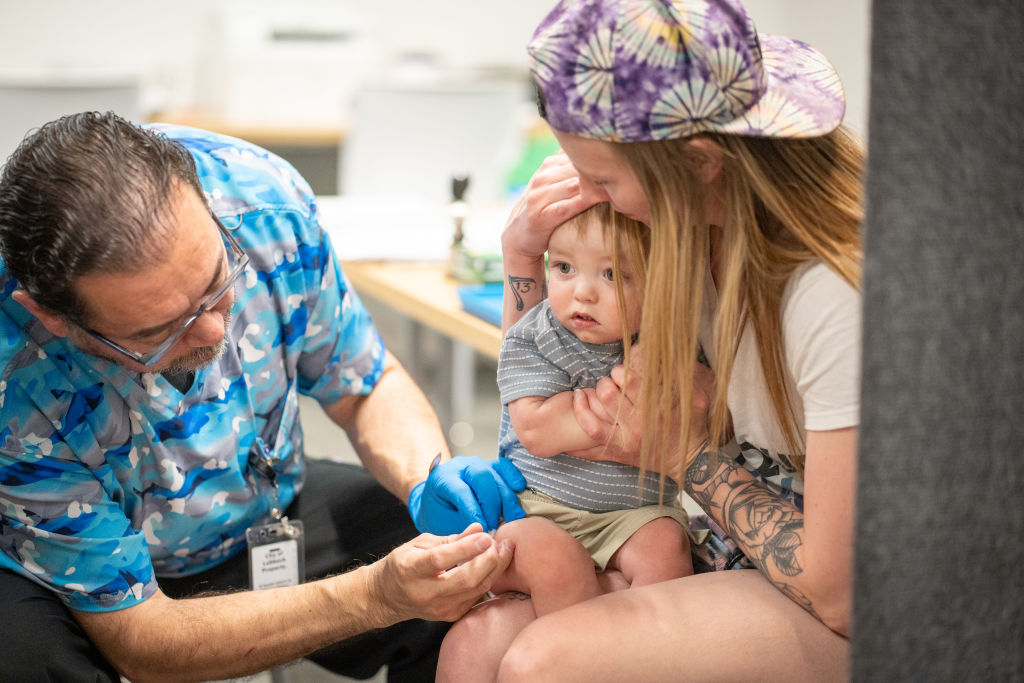
According to public health experts, at least 95% of a population must be vaccinated to prevent sustained measles transmission.
The United States has recorded more than 7,000 measles cases over the past two years, with 11 deaths. This year alone, more than 5,400 confirmed cases have been reported, making it the worst year for measles infections since 1991.
Ten measles-related deaths have been reported in 2026, including at least five children. More than 10% of those infected in the recent outbreaks have required hospitalization.
Major outbreaks have affected Texas, New Mexico, Arizona, Utah, South Carolina and Pennsylvania. Texas reported more than 760 infections and two child deaths, while New Mexico recorded approximately 100 cases and one adult death. A major outbreak in South Carolina sickened nearly 1,000 people.
Health officials believe the actual number of infections could be higher because not all cases are reported or confirmed.
Criticism has also focused on the federal government’s response. Health Secretary Robert F. Kennedy Jr. and other officials have faced scrutiny over their public messaging on vaccination and the measures taken to contain the outbreaks.
The Centers for Disease Control and Prevention allocated $100 million in federal funding in August and September to support state and local measles-response efforts.
Health experts say stronger vaccination campaigns and more visible federal leadership will be necessary to reverse the trend.
The Americas became the first region in the world to eliminate measles in 2016, following extensive vaccination campaigns. The World Health Organization estimates that measles vaccination prevented approximately 6.2 million deaths across the Americas between 2000 and 2023.
The United States, Mexico and Canada now face the challenge of restoring their measles-elimination status.
For the United States, the loss marks a major public health setback and raises renewed concerns about declining childhood vaccination rates and the potential return of preventable infectious diseases.