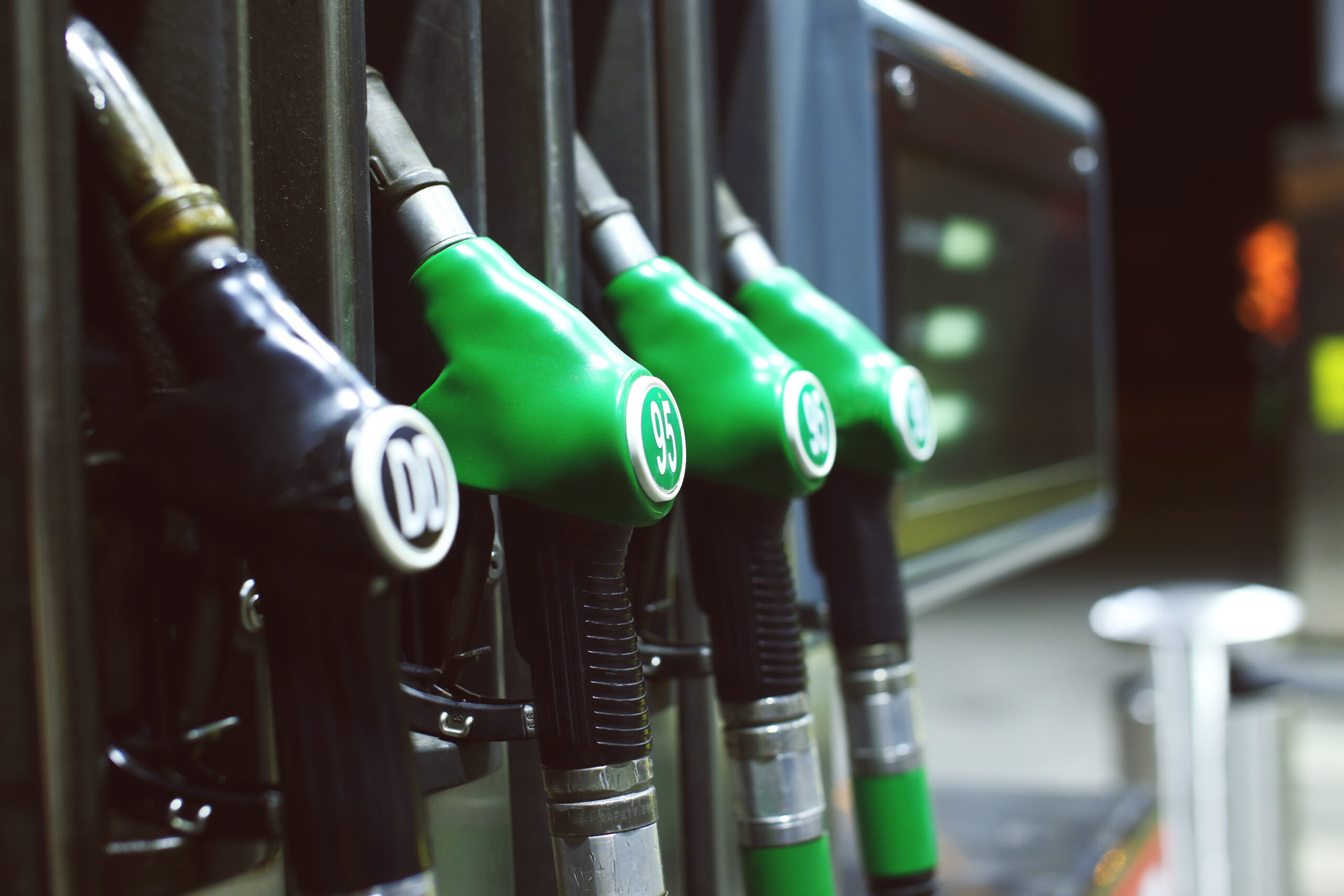
Gas prices across the United States are finally beginning to decline after months of elevated costs driven by the war with Iran, but a leading energy analyst says Americans could have received relief much sooner if President Donald Trump had acted earlier to ease geopolitical tensions.
The conflict began on February 28, when the United States and Israel launched Operation Epic Fury airstrikes against Iran. Tehran responded by closing the strategically important Strait of Hormuz, a major shipping route through which approximately 20% of the world’s oil supply normally passes.
The disruption to global oil shipments sent energy prices higher, putting additional financial pressure on American households. U.S. gasoline prices remained above $4 per gallon for at least 158 days this year, fueling consumer frustration with the administration.
However, prices have recently started falling as the conflict remains at a stalemate and Trump signals that an end to the military confrontation could be approaching.
According to AAA, the national average gasoline price stood at $3.78 per gallon on Tuesday morning, while GasBuddy reported an average of $3.77.
Patrick De Haan, head of petroleum analysis at GasBuddy, argued that the decline could have started much earlier if the administration had reached an agreement with Tehran or taken steps to reduce geopolitical uncertainty.
He said that prolonging uncertainty surrounding Iran and the Strait of Hormuz contributed to keeping gasoline prices elevated, while Trump’s recent signals that there would be no further escalation helped ease market concerns.
The rising cost of fuel also became a major political issue during the November 3 midterm elections, when Democrats won control of both the House of Representatives and the Senate, delivering a significant setback to Republicans.
Vice President JD Vance attributed part of the Republican losses to the war, a position Trump said he broadly agreed with. However, the president defended the military operation, arguing that preventing Iran from obtaining nuclear weapons justified the economic consequences.
In an interview with commentator Stephen A. Smith for his Straight Shooter podcast, Trump acknowledged that higher gasoline and oil prices may have contributed to Republican losses.
He argued that voters should have understood that higher fuel costs in the short term were necessary to address the Iranian threat.
Meanwhile, Republican Representative Lauren Boebert of Colorado raised questions about the sudden movement in gasoline prices. Before conceding her election defeat to Democrat Eileen Laubacher, Boebert suggested that Republicans had been disadvantaged by market movements.
She pointed out that gasoline prices in her district had fallen below $3 per gallon after being close to $6 just over a week earlier, questioning why prices had changed so dramatically around Election Day.
Boebert offered no evidence that fuel prices had been manipulated.
The recent decline provides some relief for American motorists, but the episode has renewed debate over the economic consequences of the Iran conflict, the administration’s energy policy and the impact of fuel costs on household budgets.