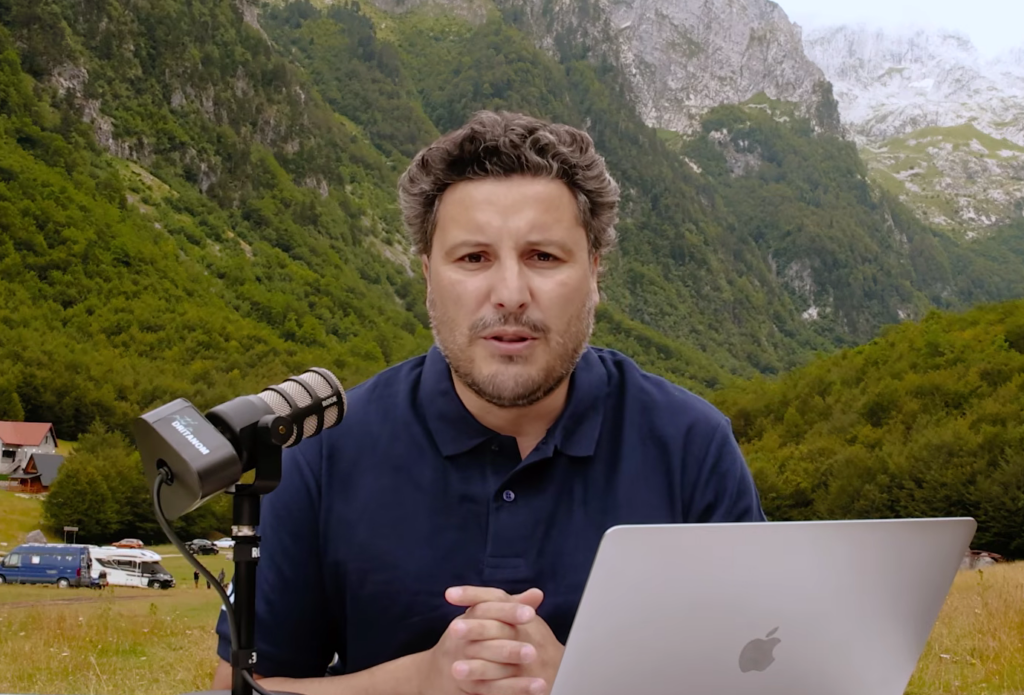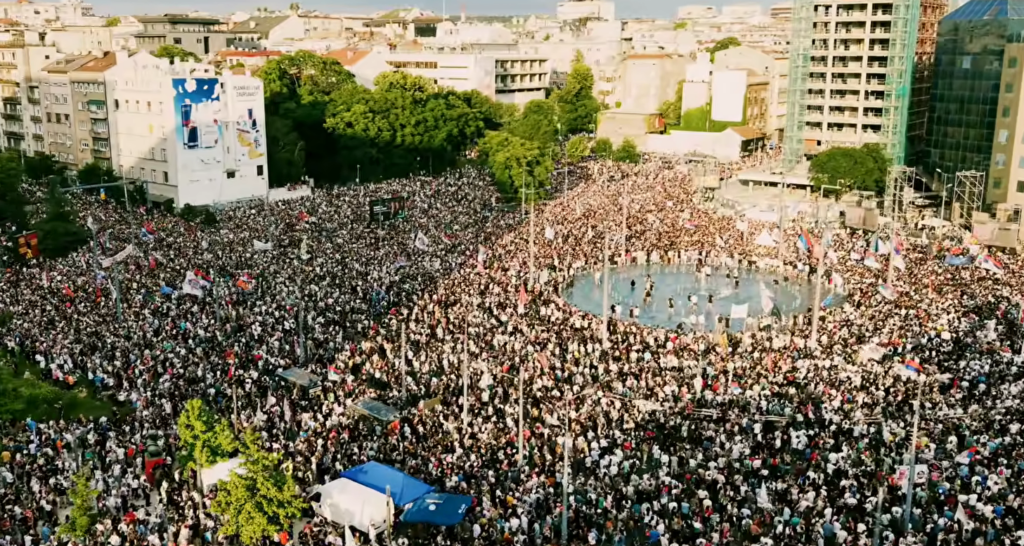
Bulgaria’s latest election outcome has once again pushed Macedonia’s European future into the regional spotlight, as political voices in Skopje assess whether the shift in Sofia could influence the long-standing dispute tied to EU integration. The strong result for Rumen Radev and his coalition has been widely interpreted not only as a major moment in Bulgarian politics, but also as a development with potential consequences for Macedonia’s stalled accession process.
Despite speculation about possible changes, much of the reaction in Macedonia points toward continuity rather than a real policy reset. Analysts cited in the reports argue that Bulgaria’s core positions on identity, history and the conditions linked to Macedonia’s EU progress remain broadly shared across the Bulgarian political spectrum. From that perspective, a new electoral balance in Sofia may change the tone or style of governance, but not necessarily the substance of Bulgaria’s approach toward Skopje.
Particular attention is being placed on the possibility that Radev could gain stronger executive influence, which some observers see as especially important for Macedonia. The concern is not only about rhetoric, but about the ability to translate existing Bulgarian positions into direct government action through diplomacy, EU mechanisms and bilateral channels. In that reading, any consolidation of power in Sofia could make Bulgaria’s stance toward Macedonia more structured and harder to bypass.
At the center of the issue remains the question of constitutional amendments in Macedonia, especially the inclusion of Bulgarians in the Constitution, which Bulgarian officials continue to present as a key condition for forward movement in the accession process. The material indicates that there has been no sign of retreat from this line. On the contrary, the position appears firmly embedded in Bulgaria’s broader state consensus, reinforcing the view in Skopje that the political obstacle remains unchanged.
At the same time, Radev’s political rise is also being framed through his domestic agenda in Bulgaria. Reports describe his message as one centered on anti-corruption, institutional stability and voter fatigue with repeated political crises. While he has declared support for Bulgaria’s European course, debate continues over the tone and direction he could bring, particularly given criticism surrounding his past positions on Russia, sanctions and broader EU policy.
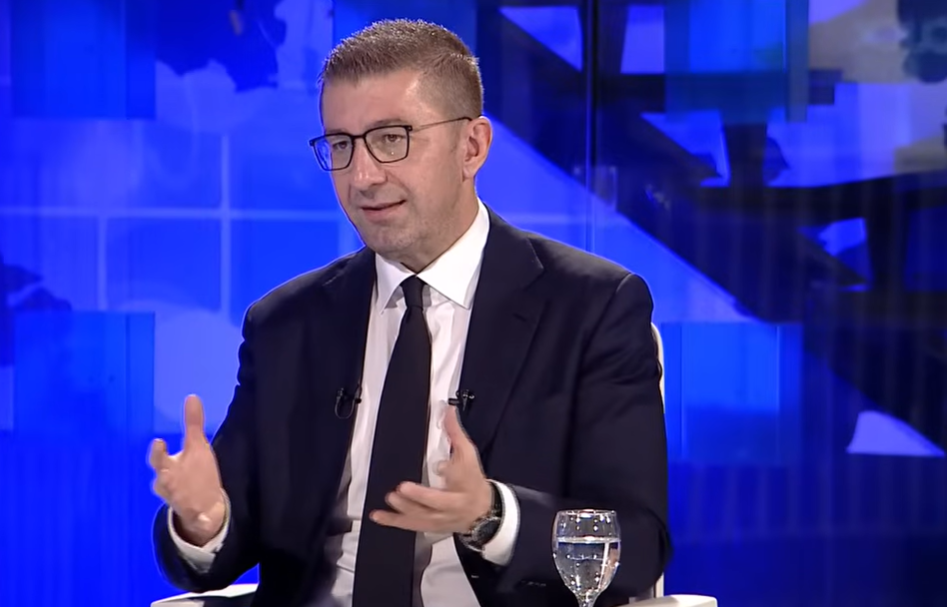
In Macedonia, Prime Minister Hristijan Mickoski responded by expressing hope that Bulgaria would form a government committed to European values, good-neighborly relations and the Copenhagen criteria, rather than returning to bilateral historical disputes. His remarks underline a wider concern in Skopje: that Bulgaria’s internal political changes may matter less than the fact that Macedonia’s EU path continues to depend on a dispute that remains unresolved.
Overall, the election result in Bulgaria has not produced expectations of a breakthrough in Macedonia. Instead, it has reinforced the sense that Sofia’s position may remain firm regardless of changes in leadership. For Skopje, the core dilemma appears the same as before: how to keep the country’s European ambitions alive while facing a neighbor whose conditions continue to shape the pace of accession.