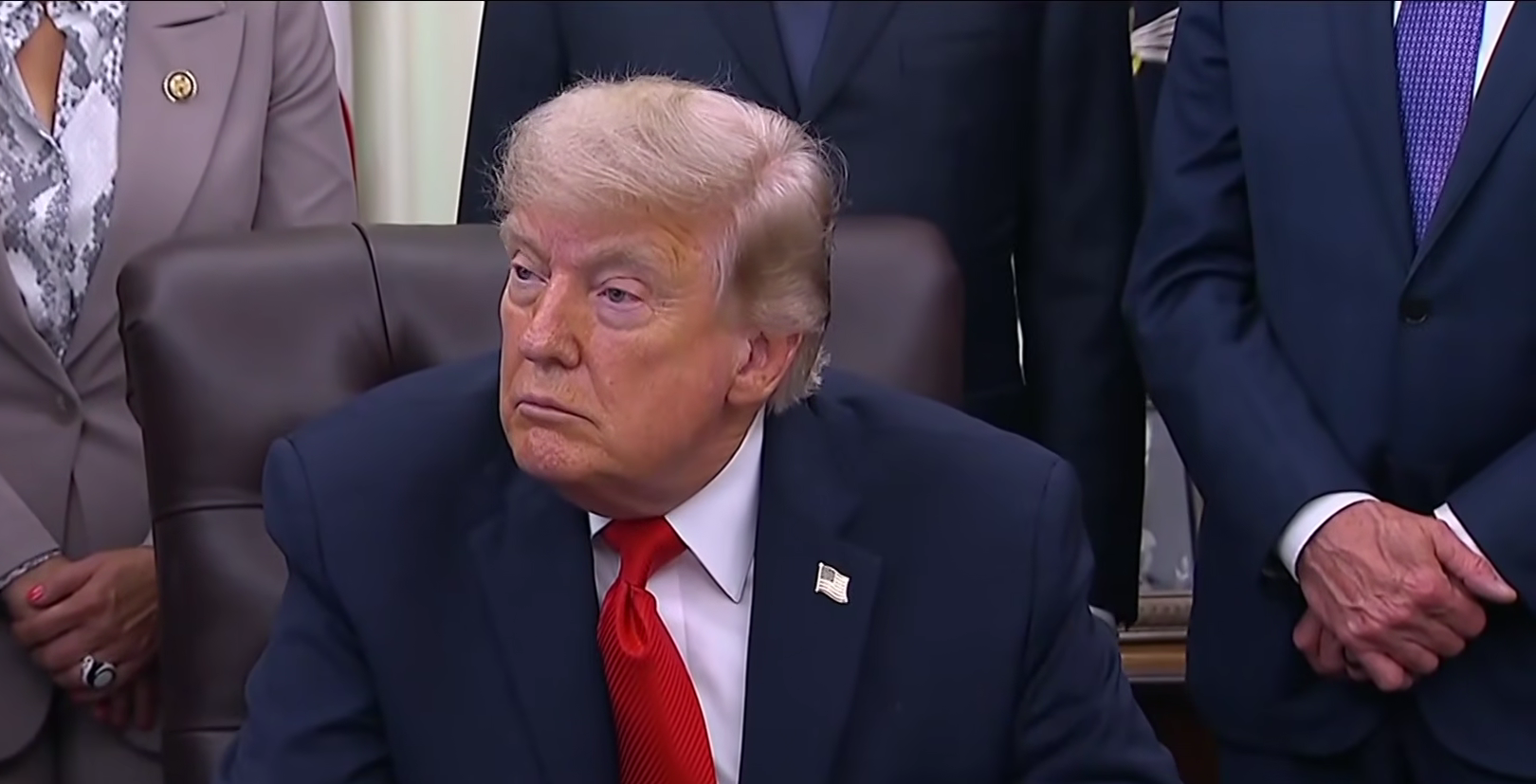
President Donald Trump proclaimed Thursday that he had “ended the war with Iran today,” telling a tele rally for the Georgia governor’s race that a “great” deal would prevent the Islamic Republic from ever obtaining a nuclear weapon. The announcement came just hours after he had threatened to invade Iran’s Kharg Island oil hub, creating a dizzying whiplash between escalation and diplomacy. Trump argued that his recent air strikes had bombed Tehran into submission, forcing a negotiating climbdown. Yet the claim immediately drew skepticism from analysts, lawmakers, and even some conservative allies, who noted that the president has declared an agreement imminent nearly forty times since the war began in February, only to see talks repeatedly stall or collapse.
The details of the proposed deal remain murky. According to sources familiar with the negotiations, the agreement appears to be a 60 day memorandum of understanding extending the ceasefire and opening talks on Iran’s nuclear program, rather than a comprehensive settlement. Frank Kendall, who served as Secretary of the Air Force under the Biden administration, said Trump’s claims must be taken with a “grain of salt,” characterizing the arrangement as “an extension of the ceasefire, presumably for 60 days or so, while the negotiations continue on the nuclear program.” There are also reports that the MOU would reopen the Strait of Hormuz to unrestricted shipping in exchange for lifting the US naval blockade proportionally, with Iran committing not to pursue a nuclear weapon and agreeing to remove mines from the strait within 30 days. However, the White House has yet to release the full text, and Trump himself described the document as “a little conceptual,” suggesting it may be far from finalized.
The skepticism extends across the political spectrum. Republican Senator John Kennedy of Louisiana said he wanted to read the agreement before rendering judgment, adding, “I trust the political leadership in Iran like I trust the rest stop bathroom.” Even Israeli Prime Minister Benjamin Netanyahu, who has been Trump’s partner in the war, offered a carefully worded response that implied the initial agreement would not satisfy Israel’s most critical interests. Netanyahu’s office emphasized that the final deal must include the removal of Iran’s enriched uranium, dismantling of nuclear infrastructure, limits on missile production, and an end to support for regional proxies, a far broader scope than what the current MOU appears to address.
Iranian officials, meanwhile, offered a starkly different narrative. Foreign Ministry spokesperson Esmail Baghaei stated that reports of a finalized deal were “merely speculation,” adding that “so far, Iran has not reached a final decision regarding any agreement.” This contradiction underscores the fragility of the moment. The war has already killed thirteen American service personnel, destroyed millions of dollars in military hardware, and pitched the global economy into crisis through energy shocks and inflation. If the deal merely reopens the Strait of Hormuz without verifiably ending Iran’s nuclear ambitions, it would represent little more than a return to the status quo ante, while leaving Tehran with a demonstrated capacity to close the vital waterway at will. For Trump, who won the 2024 election partly on promises to lower prices and end foreign entanglements, the stakes are both geopolitical and deeply personal. The coming weeks will reveal whether Thursday’s announcement was a historic breakthrough or another chapter in a war of words that has repeatedly outpaced reality.