Both patients are hospitalized in Skopje and remain under continuous medical supervision, according to the director of the University Clinic for Infectious Diseases.
Health officials in Macedonia have confirmed two laboratory verified cases of West Nile virus.
The patients are being treated at the University Clinic for Infectious Diseases in Skopje, clinic director Fadil Cana said during a news conference on Saturday.
Both patients remain hospitalized and are receiving treatment in accordance with current medical recommendations. Their conditions are being closely monitored, Cana said.
What Is West Nile Virus?
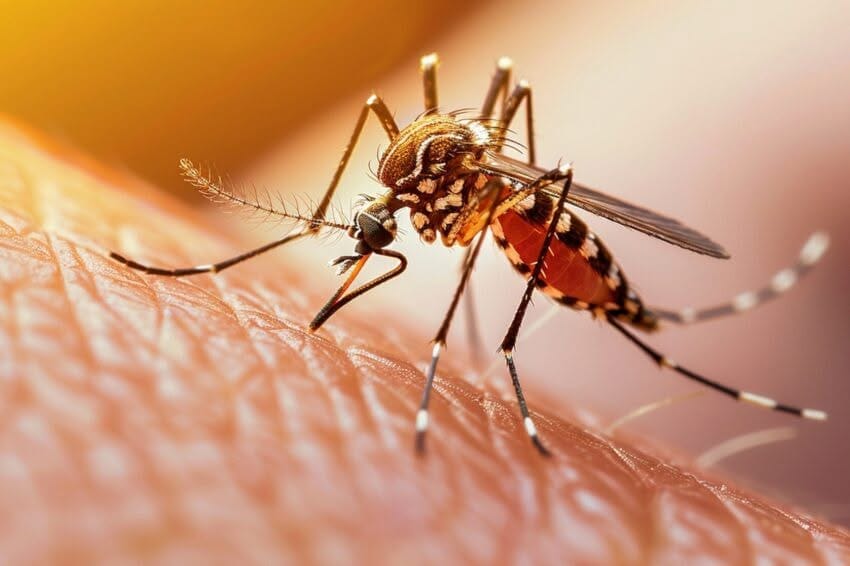
West Nile virus is most commonly transmitted to people through the bite of an infected mosquito.
Most people who become infected do not experience symptoms. About 20 percent may develop a fever accompanied by symptoms such as headache, body aches, vomiting, diarrhea or a skin rash.
In rare cases, the infection can cause serious illness affecting the brain and nervous system. Warning signs may include a high fever, severe headache, neck stiffness, confusion, muscle weakness or changes in consciousness. Older adults and people with weakened immune systems face a greater risk of severe complications.
There is currently no vaccine or specific medicine available for West Nile virus in humans. Medical care focuses on relieving symptoms and supporting patients who develop serious illness.
Officials Recommend Mosquito Protection
The clinic urged residents to take precautions against mosquito bites during the summer, when mosquito activity is typically at its highest.
Recommended measures include using insect repellent, wearing long shirts and pants outdoors, placing screens on windows and doors and removing standing water where mosquitoes can reproduce.
Health officials said there is currently no reason for panic, but advised residents to remain cautious and seek medical help if serious symptoms appear following a mosquito bite.
The clinic is coordinating with other health institutions and continuing to monitor the epidemiological situation. West Nile virus cases have also been recorded elsewhere in Europe during the current transmission season.