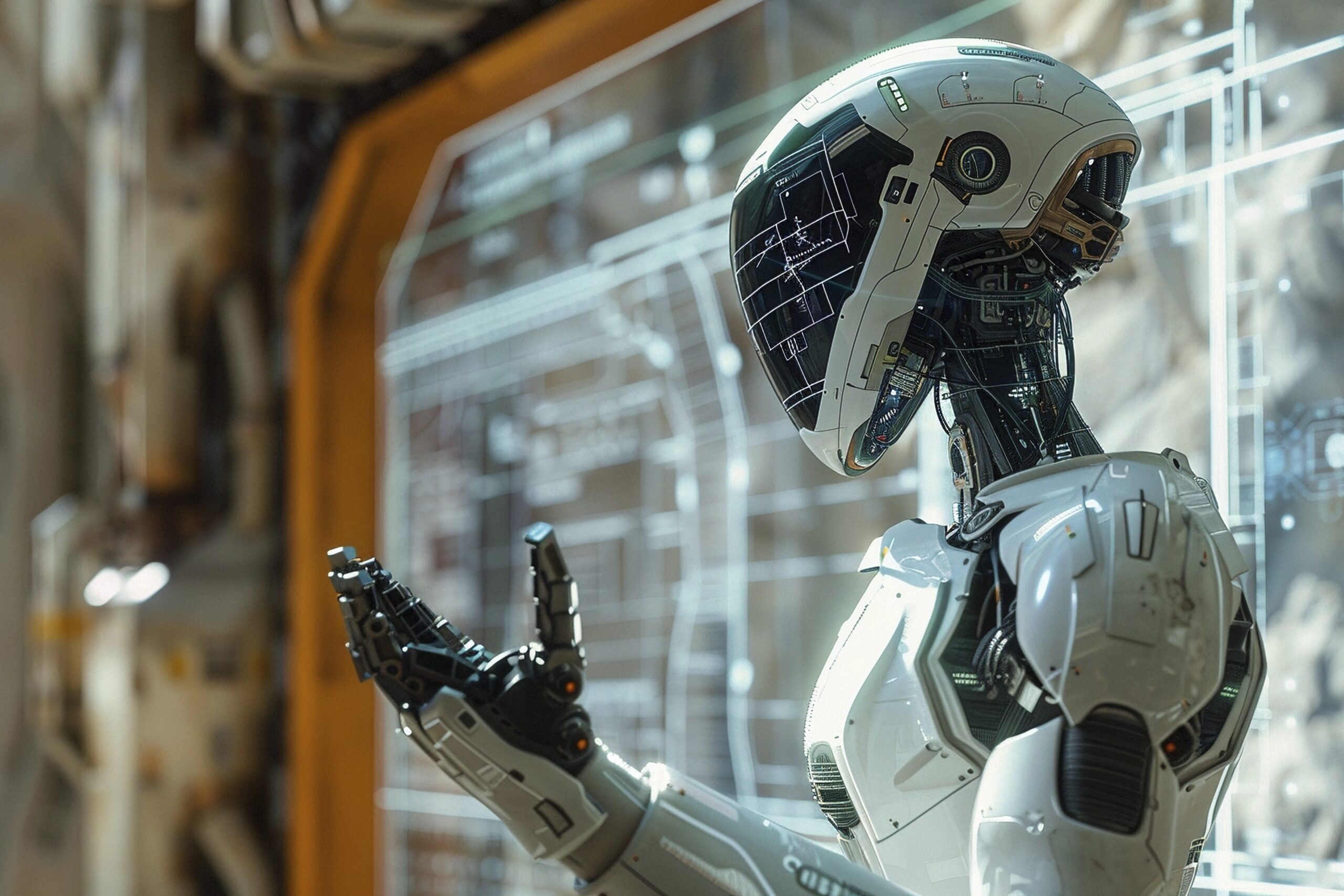
The United States has banned the import of newly manufactured foreign humanoid robots, expanding its technology security measures to reduce cybersecurity risks and protect critical infrastructure. The U.S. ban on foreign humanoid robots is expected to affect overseas manufacturers, particularly companies from China, which currently dominates the global market for advanced humanoid robots and other AI-powered machines.
The new restrictions also apply to certain foreign-made quadruped robots, commonly known as robot dogs, as well as specific power inverters. U.S. regulators argue that connected devices equipped with cameras, sensors, and artificial intelligence could pose national security risks if they are produced by companies linked to foreign governments considered strategic rivals.
What the New Restrictions Mean
The latest decision is part of Washington’s broader effort to reduce dependence on overseas technology while strengthening domestic manufacturing in critical industries. In recent years, the United States has introduced similar restrictions targeting telecommunications equipment, drones, and other advanced technologies viewed as sensitive to national security.
Officials say the measures are intended to improve the security of critical infrastructure and reduce potential vulnerabilities associated with connected devices manufactured abroad.
Impact on the Robotics Industry
Industry analysts believe the U.S. ban on foreign humanoid robots could reshape the rapidly growing robotics sector by creating more opportunities for American manufacturers while making it more difficult for foreign companies to enter the U.S. market. At the same time, experts expect global demand for humanoid robots to continue increasing as businesses adopt automation and artificial intelligence across more industries.
The latest restrictions also highlight the intensifying technology competition between the United States and China, with both countries continuing to invest heavily in robotics, artificial intelligence, and next-generation manufacturing technologies.