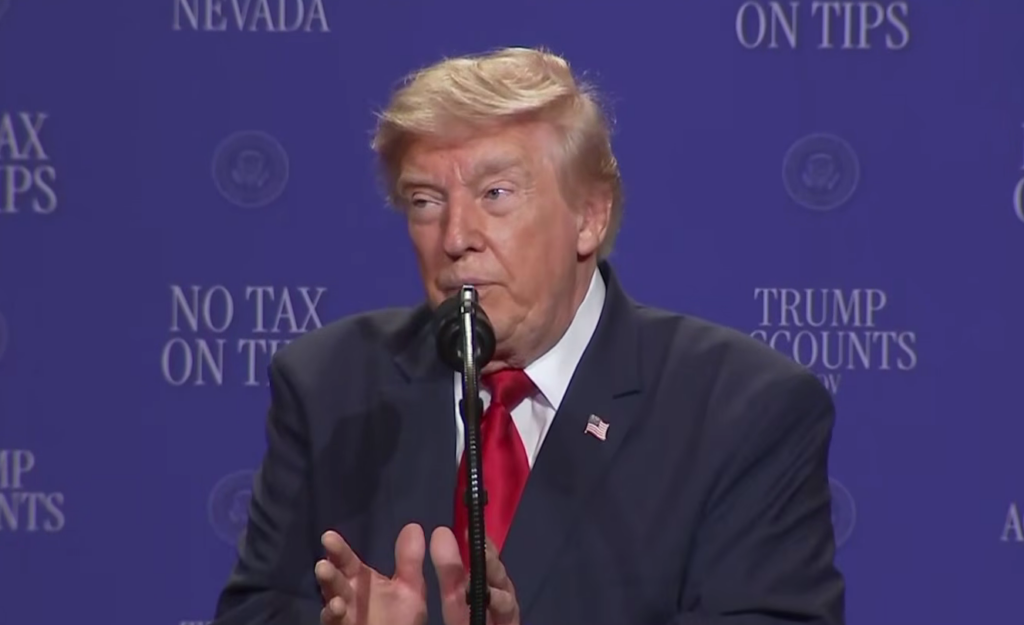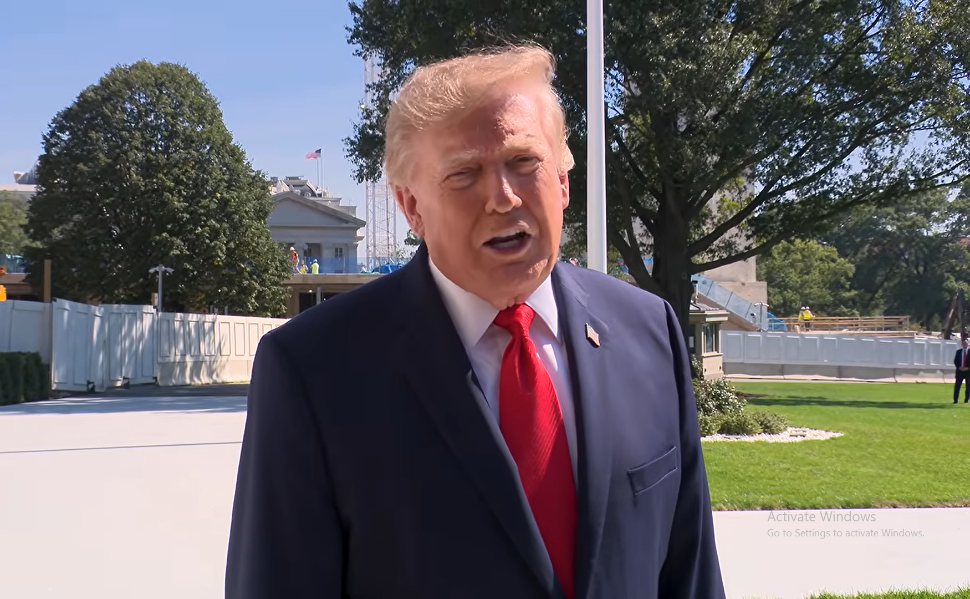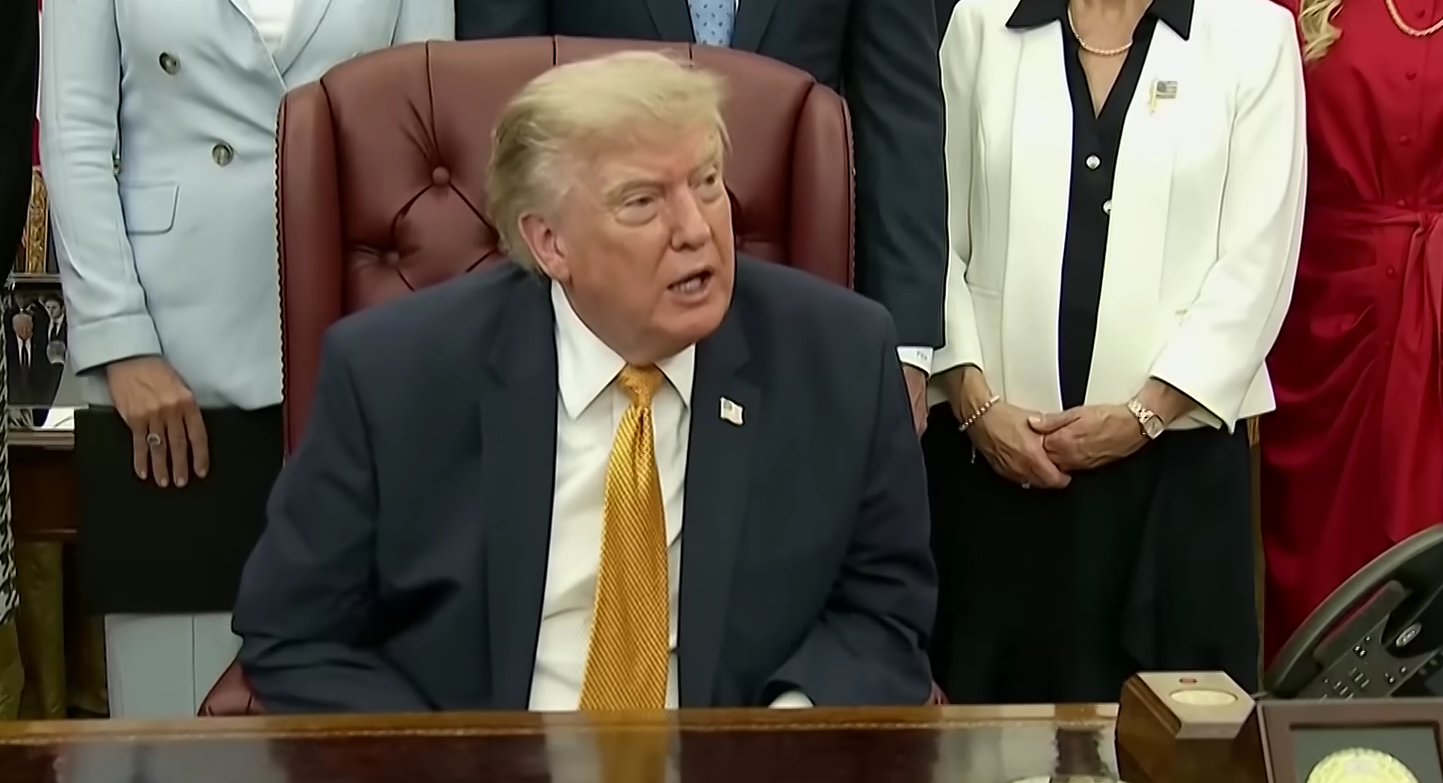
President Donald Trump said Thursday that he believes the war with Iran will end “pretty soon,” even as reports indicate that the U.S. military has used large portions of its inventory of some advanced precision weapons during the five month conflict. Trump told reporters in the Oval Office that he did not think Iran could sustain the fight much longer. His comments came after reports that the Army had used virtually all of its global stockpile of Army Tactical Missile Systems (ATACMS) and Precision Strike Missiles (PrSM), while inventories of Patriot and THAAD interceptors and Tomahawk cruise missiles had also declined.
Trump acknowledged that the United States has an “unlimited, virtual unlimited supply” of some weapons but said supplies of others were tighter. He pointed to expanded defense production as a response, including new facilities for Patriot and Tomahawk missiles. The administration has been pushing for greater weapons production as the conflict places increasing demands on U.S. military resources and highlights concerns about the country’s ability to replenish critical munitions quickly.
U.S. Munitions Stockpiles Under Pressure
Trump’s latest prediction of an imminent end to the war contrasts with several earlier timelines that did not materialize. Since the conflict began on February 28, the president has repeatedly suggested that fighting would end within weeks. The war has instead continued for more than five months, with U.S. casualties and military costs mounting alongside the consumption of advanced weapons. As of July, 18 American troops had been killed and nearly 500 injured, while estimated U.S. military costs had reached $37.5 billion.
The munitions situation has become an increasingly important constraint on American strategy. The Center for Strategic and International Studies estimated that the United States had used roughly 65% of its Patriot interceptor stockpile, while THAAD inventories had fallen by at least 38%. Separate reporting based on internal U.S. military data indicated that the Army had used nearly half of its global Tomahawk supply, while stocks of PrSM and ATACMS missiles had been heavily depleted.
The Pentagon has rejected suggestions that the United States lacks the weapons needed to continue operations. Chief spokesman Sean Parnell said the American military remains the most powerful in the world and has what it needs to operate. However, defense analysts have warned that a prolonged drawdown could make it more difficult for Washington to respond to future crises involving major powers such as China or Russia, particularly if additional conflicts emerge before depleted inventories can be rebuilt.
The issue became more politically sensitive after reports that Trump and Defense Secretary Pete Hegseth clashed at Camp David over missile shortages. The Washington Post reported on August 5 that Trump believed he had been misled about the availability of certain weapons, while Hegseth reportedly attributed some of the problems to Deputy Defense Secretary Stephen Feinberg. Trump denied the account and criticized leaks concerning military supplies, underscoring the tension between the administration’s public messaging and the Pentagon’s concerns about sustaining a prolonged conflict.
Iran’s use of relatively inexpensive drones has also highlighted the cost pressures facing U.S. air defenses. A Shahed drone can cost around $50,000, while the interceptors used to destroy such threats can cost millions of dollars. That disparity means that even successful defensive operations can impose substantial costs on the United States and accelerate pressure on its stocks of sophisticated interceptors.
The administration is responding with major contracts and plans to expand production capacity. A record $58.6 billion contract awarded to Lockheed Martin is intended to significantly increase Patriot interceptor production, while additional investment is being directed toward other missile systems. Rebuilding depleted U.S. munitions stockpiles, however, is a process that can take years, particularly for sophisticated weapons requiring specialized manufacturing capacity.
As Trump predicts that the Iran war will end “pretty soon,” the Pentagon faces the challenge of maintaining military operations while rebuilding inventories for future contingencies. The ultimate duration of the conflict may therefore depend not only on developments on the battlefield but also on the ability of the United States to sustain the cost and pace of weapons consumption.