The kidney transplant waiting list in Bosnia includes more than 160 patients in the Federation, while the country remains outside the Eurotransplant organ-sharing network. More than 2,000 additional patients are receiving dialysis treatment.
More than 20 patients in the Federation are also waiting for a new heart. For many, access to a donated organ could mean the difference between years of treatment and an improved quality of life.
Zenica Leads the Country’s Organ Donation Efforts
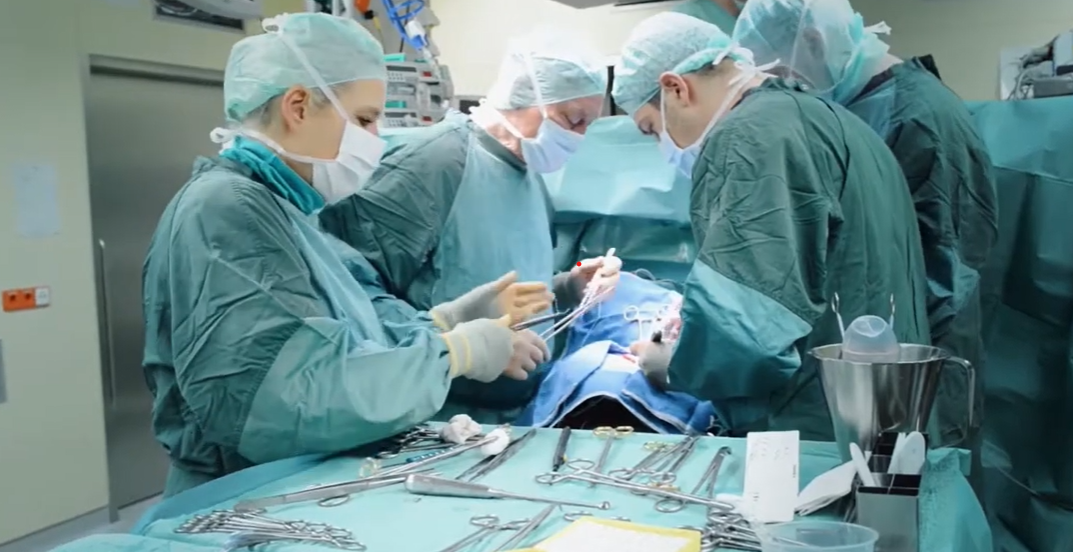
Zenica Cantonal Hospital is currently the largest donor hospital in Bosnia and Herzegovina. In recent years, its medical teams have completed 18 deceased-donor organ retrieval procedures involving 73 organs.
Dr. Senada Čaušević, the hospital’s coordinator for organ and tissue transplantation, said the most recent donor was a 28-year-old man who suffered a traumatic injury. His family agreed to donate his organs, saving four lives.
Only about 2% of patients admitted to intensive care units can become organ donors. Although people can document their decision with a donor card while alive, their families provide the final consent after death.
Čaušević said conversations with families are among the most difficult parts of the process. Medical teams must act quickly because organs need to remain in the best possible condition for transplantation.
Tomislav Žuljević, president of the Federation’s Association of Dialysis and Transplant Patients, said approximately one-third of people receiving dialysis could be eligible for a transplant.
That would place the potential kidney transplant waiting list in Bosnia at roughly 600 to 700 patients. However, many are not formally added because deceased-donor transplants are rare and patients are not receiving calls for procedures.
What Eurotransplant Membership Would Mean
Eurotransplant is Europe’s largest international organ-exchange organization. Membership could provide Bosnian patients with access to more organs, including urgent transplant lists for those in critical need.
However, membership would require Bosnia and Herzegovina to contribute organs from its own donor system, not only receive them through international exchanges.
Žuljević said the country’s complex health care structure remains a major challenge. Separate health ministries operate at the Federation, Republika Srpska and Brčko District levels, while no health ministry exists at the state level.
Legal regulations would therefore need to be coordinated before further progress can be made.
Bosnia and Herzegovina would also need at least 10 donors per million residents—approximately 30 donors annually—to take the next step toward Eurotransplant membership.