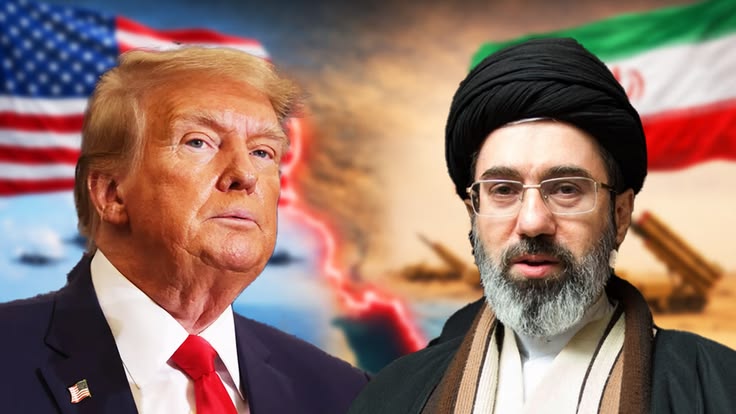
Donald Trump has rejected extending the temporary ceasefire with Iran as US Iran talks reach a critical deadlock. The decision comes as the 60 day period established under an interim agreement expires, with Washington and Tehran still divided over the conditions for a lasting settlement. The agreement was intended to create a period of calm while both sides worked toward a broader deal. However, the arrangement has largely broken down, with Washington and Tehran accusing each other of failing to meet their commitments. Iran has demanded changes including an end to the US blockade and the release of frozen Iranian funds. Trump has rejected those conditions, leaving the diplomatic process facing a major obstacle. The latest developments have increased concerns that the conflict could enter another dangerous phase.
The Strait of Hormuz has become one of the central issues in the dispute. The strategically important waterway is a major route for global oil and liquefied natural gas shipments. Restrictions on traffic through the strait have already contributed to higher energy prices. Oil prices rose again as hopes for a diplomatic breakthrough weakened, with Brent crude moving above $90 a barrel. Any prolonged disruption could create further pressure on global energy markets. It could also affect international shipping and increase economic uncertainty. The situation has therefore attracted attention far beyond the immediate region. Iran has warned that it could adopt a fully offensive military posture if diplomacy fails. A senior Iranian official said Tehran could launch precise military operations against what it considers the US naval blockade. Such a move would increase fears that the collapse of negotiations could lead to another escalation. Washington and Tehran remain sharply divided over the conditions for ending the confrontation.
Neither side has indicated that a comprehensive agreement is close. The possibility of renewed military action is therefore becoming an increasingly important concern. Regional governments are continuing to monitor the situation closely. Diplomatic efforts have not completely stopped despite the growing tensions. Regional countries continue to encourage Washington and Tehran to return to negotiations. Turkey’s President Recep Tayyip Erdogan urged Trump to make maximum use of diplomacy during a phone call on August 18. Iran and Oman have also held discussions related to the Strait of Hormuz. These efforts could provide another channel for communication between the sides. However, they have so far failed to produce a broader agreement. The coming days could show whether regional diplomacy can help reopen direct negotiations.
For now, US Iran talks remain at a critical point. The decision not to extend the ceasefire has removed an important buffer between the two sides. Disagreements over the next steps remain unresolved, while both governments face pressure over their respective positions. A return to negotiations could still prevent a wider confrontation. However, renewed military action could quickly increase instability across the Middle East. The consequences could extend to energy markets, shipping routes and the global economy. The situation remains highly uncertain as governments watch for signs of either diplomatic progress or further escalation.