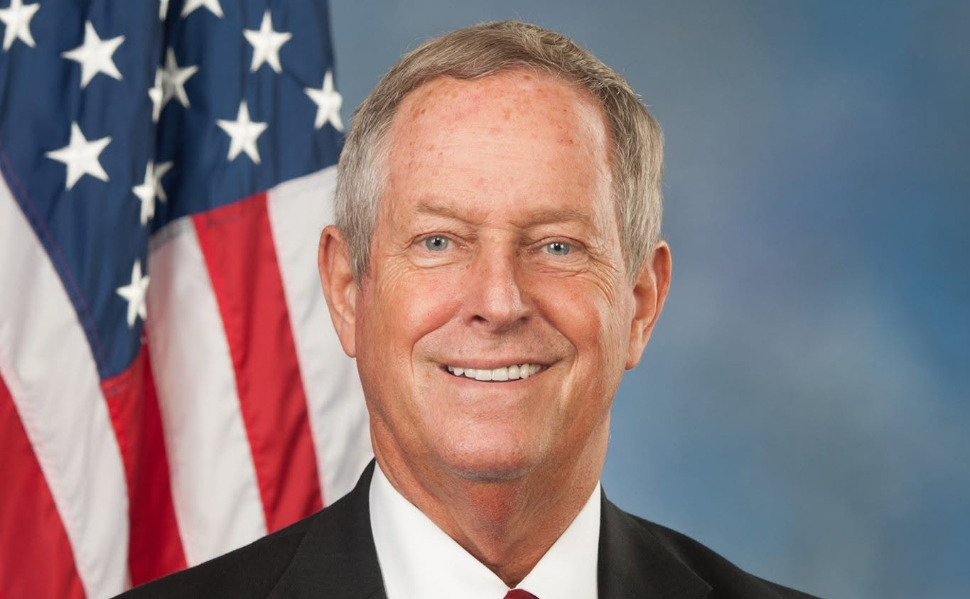
U.S. Congressman Joe Wilson has accused Serbian authorities of making it harder for citizens abroad to vote in the October 25 parliamentary election. His comments come amid growing criticism of new voting arrangements for the Serbian diaspora.
Wilson compared the situation with Georgia and said all Serbian citizens must have a practical opportunity to exercise their voting rights.
“Vučić’s regime is trying to prevent the Serbian diaspora from voting,” Wilson said, according to a statement cited by Serbian media. He argued that access to voting is fundamental to free and fair elections.
The accusations have not been independently established. Serbia’s Foreign Ministry has rejected claims that authorities are obstructing diaspora voting.
Serbian Diaspora Raises Concerns Over Overseas Voting
Wilson’s reaction follows a letter sent by Serbian diaspora groups and initiatives from Europe, the United States, Canada, Australia and New Zealand.
According to the letter, around 106,000 citizens applied to vote abroad this year, compared with 39,270 registered overseas voters in 2023. Meanwhile, the number of polling stations increased from 81 to 93.
The Associated Press has separately reported that more than 100,000 people applied to vote abroad and that Serbia’s election commission approved 93 overseas polling stations.
Diaspora groups argue that the geographic distribution of those polling stations could make voting difficult.
According to the letter, polling stations were not designated in several European cities, including Barcelona, Valencia, Graz, Innsbruck, Basel, Geneva, Hanover and Cologne.
The groups also highlighted distances facing voters in North America. They said polling stations in the United States were designated in Washington, Chicago, Los Angeles and New York.
In Canada, according to the letter, voting is planned in Ottawa and Toronto, leaving some citizens facing long journeys.
Serbia’s official diplomatic channels had previously invited citizens living abroad to register through their nearest diplomatic or consular mission. The deadline for applications was October 3.
Voting Hours Also Draw Criticism
Another point of dispute involves voting times.
The election commission decided to synchronize overseas voting with voting hours in Serbia. AP reported that the arrangement could make participation significantly more difficult for some voters in North America, Australia and New Zealand.
Diaspora groups said the schedule could require some citizens to vote overnight or at highly unusual local hours. They have asked authorities to reconsider polling locations and adapt voting hours to local time zones.
The groups also called for the publication of detailed figures showing the number of registered voters by location.
Serbia’s Foreign Ministry has disputed accusations of deliberate obstruction. Official information from the ministry confirms that citizens abroad could apply to vote through Serbia’s diplomatic and consular network.
The dispute comes ahead of Serbia’s October 25 parliamentary election, with overseas voting arrangements now emerging as another contested issue in the campaign.