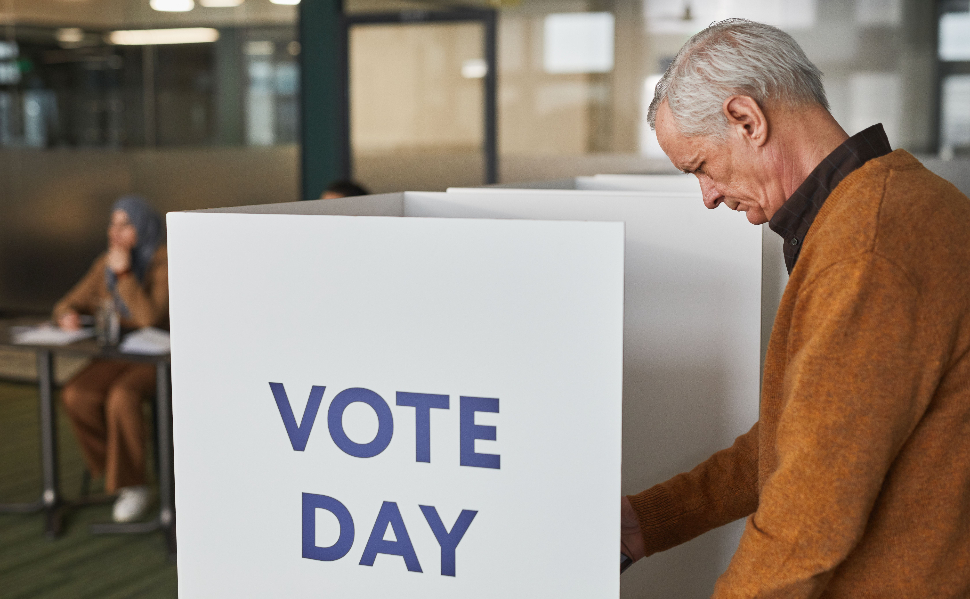
Serbian citizens living abroad could face major voting difficulties in the October 25 parliamentary election. New rules require overseas polling stations to follow voting hours in Serbia.
The Serbian diaspora voting rules could affect thousands of voters in the United States, Canada, Australia and New Zealand.
According to the Associated Press, Serbian voters in Chicago must cast their ballots between 1 a.m. and 2 p.m. local time.
Some voters in Australia and New Zealand will also have to vote overnight.
The decision has sparked criticism from election officials who believe it could limit voting access.
Chicago Voting Hours and Vancouver Polling Problems
Serbia’s election commission approved 93 polling stations abroad. That is 12 more than in the 2023 election.
However, 28 stations will be in Bosnia and Herzegovina. They account for nearly 30% of all overseas polling locations.
At least 100,000 Serbian citizens have applied to vote abroad. That is almost three times the number recorded in 2023.
Vancouver presents another major challenge.
Nearly 1,300 Serbian citizens have registered to vote there. However, authorities have not assigned a polling station to the Canadian city.
Election commission member David Krstic said voters would need to travel about 3,500 kilometers to Toronto or Ottawa.
Sofija Mandic, another commission member, criticized the decision. She warned that more than 26,000 people could face difficulties voting.
Mandic also questioned how officials selected polling locations.
Serbian Foreign Minister Marko Djuric rejected the criticism. He said officials considered security, staffing, available space and other practical factors.
Serbia Prepares for October 25 Election
The voting dispute comes during a tense election campaign in Serbia.
Former President Aleksandar Vucic resigned on September 27. He now seeks to return to power as prime minister.
His Serbian Progressive Party faces a challenge from the Student List.
The student movement grew from protests following the Novi Sad railway station disaster in November 2024.
The collapse killed 16 people and sparked demands for accountability.
The protests later developed into a broader movement against corruption and the government.
International observers have previously raised concerns about Serbian elections.
With overseas voter registrations rising, access to polling stations has become an important issue.
For Serbian communities abroad, voting hours and polling locations could affect participation in the October 25 election.