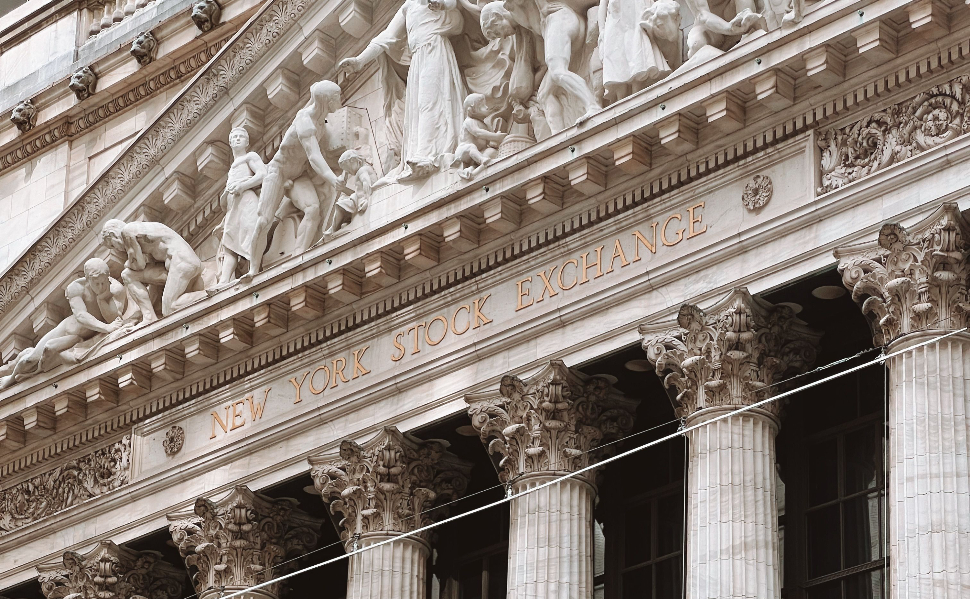
Wall Street stocks fell sharply on Wednesday, October 14, after new US inflation data raised fears of further interest rate hikes. Technology companies suffered some of the biggest losses as investors reacted to rising costs.
The Nasdaq fell 1.88%, marking its worst daily performance since July. The S&P 500 also recorded its biggest one-day decline since late July, Reuters reported.
The latest figures showed that US consumer prices rose 3.7% in September compared with a year earlier. Economists had expected a 3.6% increase.
Nasdaq Leads Wall Street Losses
All three major US stock indexes ended Wednesday’s trading session lower.
The Nasdaq Composite dropped 1.88% to 26,692.87 points. The S&P 500 lost 1.11% to close at 7,718.94 points.
The Dow Jones Industrial Average fell 0.09% to 51,621.48 points.
Technology stocks faced the strongest selling pressure. Oracle shares fell 8.8%, while CoreWeave dropped 15% and Nebius lost 10%.
Dell Technologies also fell 11.4% after Barclays lowered its rating on the company.
The semiconductor index declined 4.3%, marking its sixth straight session of losses.
Apple moved against the broader market. Its shares gained 0.5%, pushing the company’s market value above $5 trillion for the first time.
Inflation Raises Concerns About Federal Reserve Policy
The latest inflation report increased concerns that the Federal Reserve may raise interest rates again.
Higher borrowing costs can hurt technology companies, especially those investing heavily in artificial intelligence.
According to CME’s FedWatch tool, traders saw a 37% chance of another interest rate increase in October. That figure stood at 22% on Tuesday.
Banking stocks also faced pressure.
Bank of America shares fell 4.8% after the company reported lower third-quarter profits. The bank also set aside $1.2 billion to cover regulatory penalties.
Morgan Stanley shares dropped nearly 3%, despite reporting higher quarterly profits.
Despite Wednesday’s losses, the S&P 500 remains up nearly 13% in 2026. Strong gains in artificial intelligence stocks have driven much of that growth.
Investors will now watch upcoming economic reports and Federal Reserve decisions for signs of where interest rates may head next.