The United States could experience a warmer and wetter-than-average winter, with snowfall potentially shifting toward southern parts of the country, according to the National Oceanic and Atmospheric Administration (NOAA) and private weather forecasters.
The seasonal outlook points to the influence of El Niño, a natural climate phenomenon involving warmer-than-average sea surface temperatures in the tropical Pacific Ocean. It can alter weather patterns across the United States, affecting temperatures, precipitation and snowfall.
While increased moisture could help ease drought conditions across parts of the West, warmer temperatures may reduce snowfall in several northern regions, including the Great Lakes, Upper Midwest and Northeast.
Chicago Could See Less Snow This Winter
For Chicago and the surrounding Midwest, the outlook offers a potentially disappointing forecast for snow enthusiasts.
According to the forecasts cited in the report, Chicago is among the major U.S. cities that could receive substantially less snow than usual. Private forecasting company AccuWeather predicts that several major cities, including Chicago, Boston, New York and Philadelphia, could receive roughly half or less of their typical winter snowfall.
However, a warmer seasonal outlook does not mean that snowstorms are impossible. Individual weather systems can still bring significant snowfall, freezing temperatures and dangerous winter conditions.
Meteorologists also caution that conditions can change throughout the season, particularly during late January and February, when powerful winter storms can affect the eastern United States.
Which Regions Could Get More Snow?
While northern areas may experience reduced snowfall, some southern regions could have better chances of snow than usual.
The Southern Rockies, parts of the Southwest and portions of the Southeast may receive above-average precipitation, although precipitation does not necessarily mean snow.
Denver, for example, could experience more snowy days than it did last winter, according to AccuWeather’s forecast, even though its overall seasonal snowfall is expected to be around average.
For those hoping for a white Christmas, the Southern Rockies may offer better prospects than many northern destinations, depending on local temperatures and storm patterns.
More Rain Could Bring Drought Relief — and Flooding
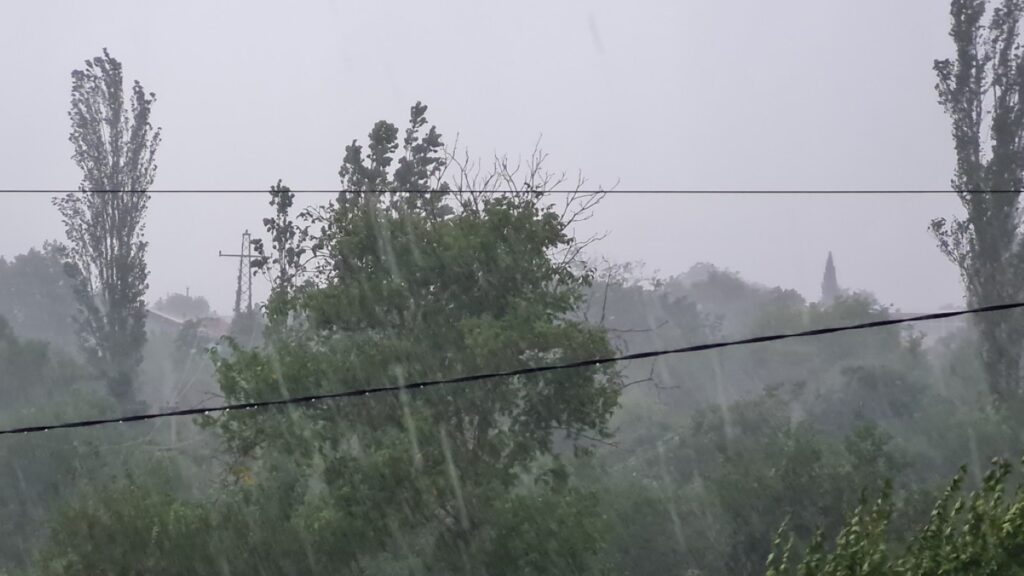
The anticipated increase in precipitation could bring welcome relief to drought-stricken areas of the West and Southwest.
NOAA’s outlook indicates that drought conditions could improve or end in parts of Oregon and Washington, the Southwest, the central and southern Rockies, the southern Great Plains, the lower Mississippi Valley and some eastern areas.
However, more precipitation also carries risks.
California could face repeated atmospheric river events — powerful corridors of moisture that transport large amounts of water vapor from the ocean toward land. These systems can produce intense rainfall, flooding and landslides.
Parts of Florida and the Southeast may also face an increased risk of tornadoes during winter and early spring, according to the forecast discussed in the report.
A Warmer Winter Does Not Mean an End to Arctic Cold
Although much of the country is expected to experience above-average temperatures, periods of severe cold remain possible.
Meteorologists warn that outbreaks of Arctic air and major snowstorms can still develop even during an unusually warm winter. A single powerful storm can dramatically change conditions in a region over a short period.
The broader outlook also reflects a long-term warming trend. NOAA estimates that U.S. winters have warmed by approximately 4 degrees Fahrenheit over the past 50 years, primarily because of human-caused climate change.
Forecasters Warn of Uncertainty
Despite expectations for a strong El Niño, meteorologists caution that the phenomenon does not guarantee a specific outcome for every region.
A stronger El Niño can help forecasters identify broad seasonal patterns, but local snowfall, storm intensity and temperature fluctuations remain difficult to predict months in advance.
For residents of Chicago and the Upper Midwest, the key takeaway is that a warmer winter could mean less snow overall — but winter weather hazards are still very much possible.
The bottom line: This winter could bring more rain and warmer temperatures across much of the United States, potential drought relief in the West, and fewer opportunities for significant snowfall in Chicago and other northern cities. The seasonal outlook is not a day-by-day forecast, and conditions may change as winter approaches.