Volunteers rescued injured migratory birds and documented hundreds of fatalities across Chicago and Evanston, renewing calls for bird-friendly building designs and stronger protections.
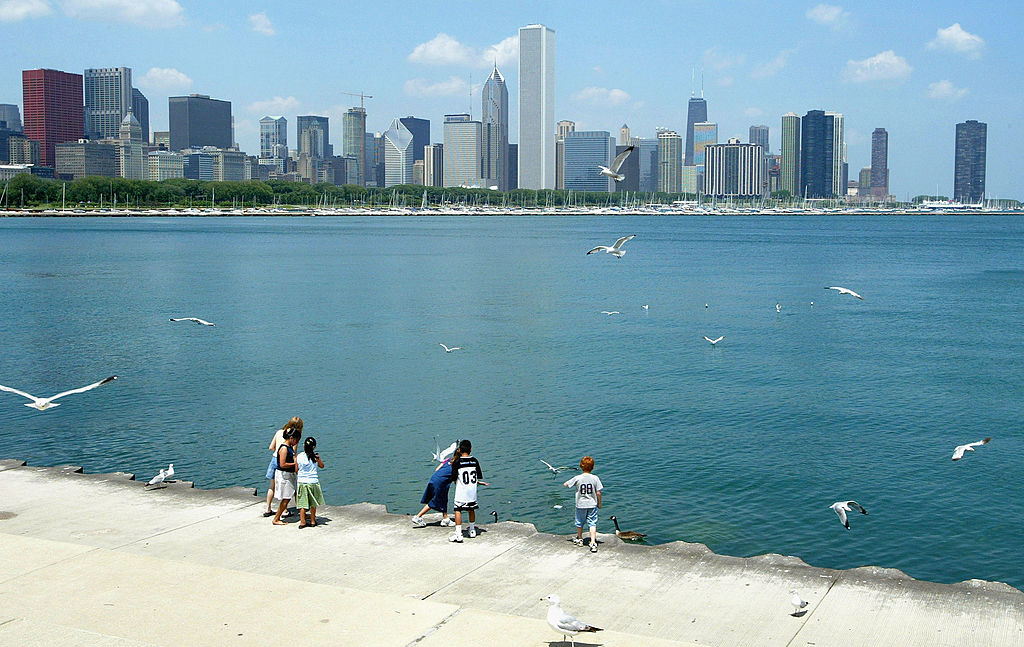
More than 1,000 birds were injured or killed after colliding with buildings across the Chicago area over the weekend, according to the Chicago Bird Collision Monitors, a volunteer-led conservation group.
Volunteers spent Saturday and Sunday, October 17–18, surveying downtown Chicago and Northwestern University’s campus in Evanston, rescuing injured birds and documenting those that did not survive.
Why Are So Many Birds Colliding With Buildings?
Chicago lies along a major migratory route, with millions of birds passing through the region during their seasonal journeys each year.
Glass-covered skyscrapers and other buildings pose a serious danger because their windows can be nearly invisible to birds. Transparent glass may appear to offer an unobstructed flight path, while reflective surfaces can look like open sky, trees or other natural surroundings.
Birds can strike windows at speeds of approximately 30 miles per hour, suffering fatal injuries or trauma that requires medical attention.
“Major events like this occur because Chicago is a major migratory path for millions of birds,” said Annette Prince, director of the Chicago Bird Collision Monitors.
The group regularly patrols areas where bird-building collisions occur, particularly during the spring and fall migration seasons.
Calls for Bird-Friendly Buildings
The latest incident has renewed attention to efforts to make Chicago’s buildings safer for wildlife.
Bird Friendly Chicago is advocating for a proposed Bird-Friendly Building Design Ordinance that would establish bird-safety standards for qualifying new construction projects.
Introduced by Ald. Maria Hadden in March 2026, the proposal has advanced to the City Council’s Zoning Committee, where its language is being revised.
Potential protective measures include patterned glass, external screens and specially designed window treatments that help birds recognize glass as a barrier. Turning off or dimming unnecessary lights at night during migration can also reduce the risk of collisions.
“Chicago must require that future buildings use bird-friendly building designs and materials so we do not add to the devastating toll existing structures take on bird life,” Prince said.
A Previous Disaster Led to Successful Changes
Chicago has experienced severe bird-collision events before. In October 2023, nearly 1,000 birds died after striking the windows of McCormick Place’s Lakeside Center in a single night.
Following that incident, bird-safe window treatments were installed to make the glass more visible. According to bird conservation advocates, the changes reduced collisions at the building by approximately 95%.
The latest toll highlights the continuing challenge of protecting migratory wildlife in a dense urban environment.
Conservation groups are urging building owners, developers and city officials to adopt measures that make structures safer for birds as they travel through the Chicago region.