Serbia media freedom is facing growing scrutiny ahead of the October 25 parliamentary election. Journalists and press freedom organizations warn that independent reporting is becoming increasingly difficult as political tensions rise.
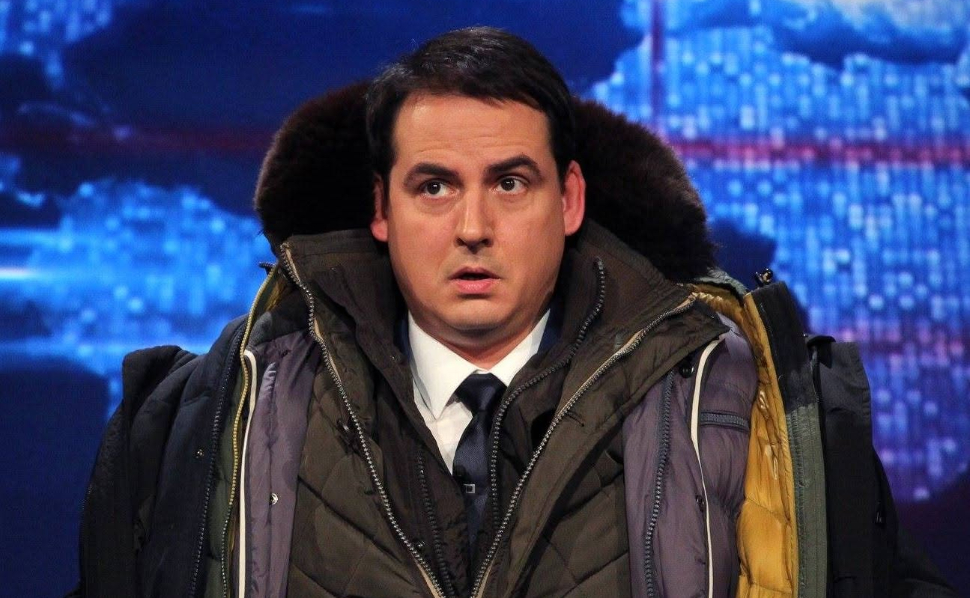
One prominent example is Serbian television host Zoran Kesić, whose popular political satire show lost its television platform.
The broadcaster cited commercial reasons for ending the program. However, Kesić and media watchdogs have questioned the decision.
Kesić now publishes his political commentary on YouTube, where his channel has more than 700,000 subscribers.
Speaking to Agence France-Presse (AFP), he expressed concern about the future of independent journalism in Serbia.
Serbia Media Freedom Concerns Grow Before Election
The October 25 election will bring a major political contest between the ruling Serbian Progressive Party (SNS) and a student-backed movement.
The student movement emerged after the November 2024 railway station disaster in Novi Sad, which killed 16 people.
Nearly two years of anti-government demonstrations followed, with protesters demanding accountability and institutional reforms.
Former President Aleksandar Vučić is now seeking the prime minister’s position as the SNS candidate.
Meanwhile, media watchdogs have raised concerns about unequal political coverage.
According to election monitoring organization CRTA, 46 television stations broadcast a recent SNS rally live.
In contrast, detailed coverage of student demonstrations has largely appeared on only three television channels, AFP reported.
Pavol Szalai of Reporters Without Borders warned that Serbia was entering what he described as the final stage of media capture.
The organization’s 2026 World Press Freedom Index ranked Serbia 104th among 180 countries.
Serbia also ranked last among the 40 countries in RSF’s EU-Balkans region.
Changes in media ownership have added to these concerns.
Portuguese investment fund Alpac Capital acquired Adria News Network, which operates several prominent regional media outlets.
The acquisition raised questions among journalists at Nova and N1 about future editorial independence.
Management has said the outlets will maintain professional standards.
However, journalists have protested leadership changes shortly before the election.
Szalai warned that such changes could limit voters’ access to independent information.
Journalists Face Threats as Political Satire Moves Online
Serbia media freedom concerns extend beyond television programming.
Journalist and military analyst Aleksandar Radić left Serbia in June after reporting on the alleged use of an acoustic weapon during a March 2025 protest in Belgrade.
Radić examined photographs of a device mounted on a police vehicle. He said it resembled an American-made LRAD acoustic device.
Serbian authorities have denied using such a weapon against protesters.
Following his reporting, police questioned Radić and searched his home and office.
Authorities also accused him of plotting against the constitutional order.
Radić told AFP that he left Serbia because he feared imprisonment.
The Committee to Protect Journalists has separately documented threats and attacks against journalists covering political events.
The organization urged Serbian authorities to protect reporters during the election period.
Meanwhile, Kesić’s departure from television sparked protests in Belgrade.
His show had built a large audience through political satire and criticism of public officials.
Szalai argued that humor can make political criticism particularly difficult for those in power to tolerate.
“Dictators hate humour,” he told AFP.
Kesić has continued reaching viewers through YouTube, but he worries about journalists without established audiences.
His situation reflects a broader debate about the future of independent media in Serbia.
With parliamentary elections approaching, journalists and media organizations are calling for stronger protections and fair access to information.