Mirsad Čaušević, a Bosnian war survivor who arrived in the United States with just $20, built a successful business in Chicago before selling his company in a multimillion-dollar deal.
Originally from Prijedor, Bosnia and Herzegovina, Čaušević survived the Omarska and Manjača detention camps during the Bosnian War. He lost two brothers and was forced to rebuild his life far from home.
More than three decades later, his journey has become a remarkable story of survival, entrepreneurship, and the sacrifices behind the American dream.
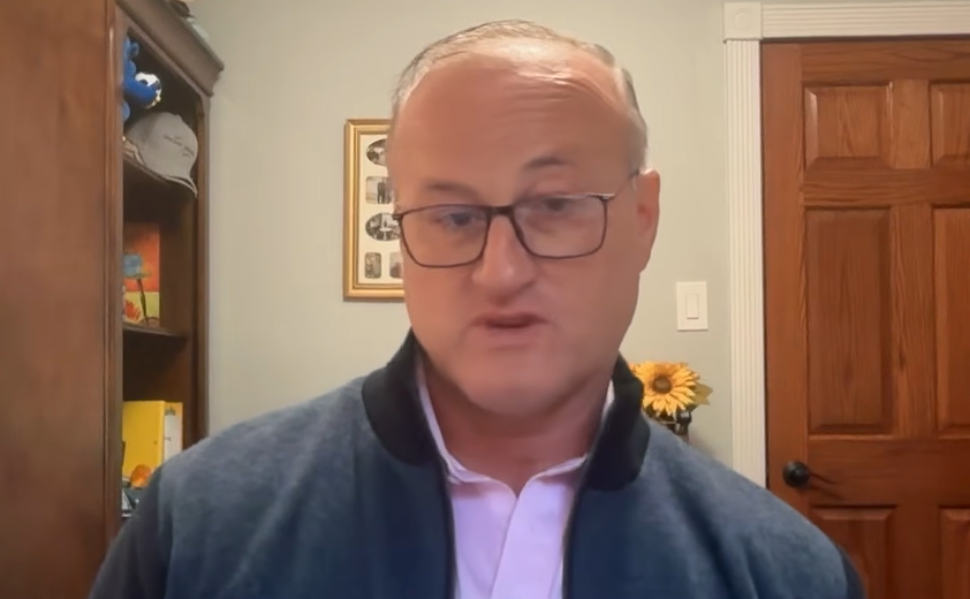
Speaking on the Realno podcast with Drita Haziraj, Čaušević reflected on his experiences during the war, his early struggles as a refugee, and the business career he built in the United States.
From a Refugee With $20 to a Chicago Entrepreneur
Čaušević was just 23 when he experienced the horrors of the detention camps. After eventually reaching Chicago as a refugee, he had only $20 in his pocket.
His first job paid $5.75 an hour.
Determined to establish a stable future, he worked his way toward starting his own business. In 2003, he launched Oasis Plumbing, Heating and Cooling from a garage.
Over the following years, the company expanded, hired additional employees, and developed a customer base of approximately 25,000 clients.
Čaušević also entered the restaurant industry. In 2008, he opened a French restaurant in Chicago, followed by a second establishment in 2011.
At one point, his businesses employed a combined 104 workers.
He eventually sold both restaurants in 2014 to concentrate on his plumbing, heating, and cooling company.
After more than two decades of building the business, Čaušević sold part of his ownership stake in 2024 and the remaining stake in May 2026.
The exact sale price has not been publicly disclosed, although the transaction was described as being worth several million dollars.
The Price of the American Dream
Despite his financial achievements, Čaušević acknowledges that success came with personal sacrifices.
Years of demanding work meant missing valuable time with his family, something he now considers more important than material wealth.
During the podcast, he also revisited painful memories of the war, his first night in Chicago, and the emotional experience of selling the company he had built.
His story is not simply about financial success. It is also about the lasting consequences of displacement and the complicated relationship many immigrants maintain with their homeland.
Although Chicago became the place where he established his career, Čaušević says he hopes to spend his later years in Bosnia and Herzegovina.
His journey reflects the experiences of many Balkan immigrants who have built successful lives abroad while remaining deeply connected to the countries they left behind.