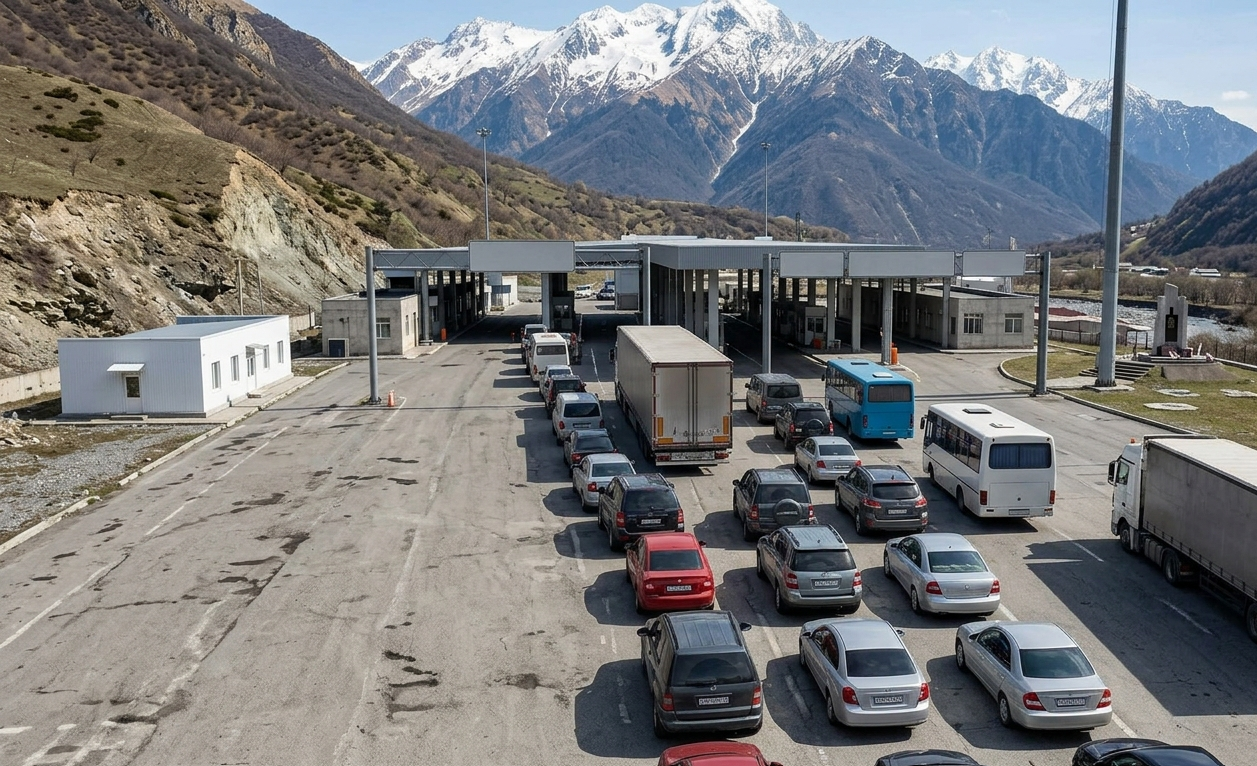
More than 6.7 million people and nearly 1.6 million vehicles have been checked at Montenegro border crossings from the beginning of June through the end of July.
The tiny Adriatic nation is grappling with one of its busiest tourist seasons on record.
Senior Police Inspector Dejan Janković of the Border Police Sector revealed the figures, highlighting the immense pressure on the country’s entry points during the peak summer period.
The heaviest traffic has been recorded at crossings shared with Bosnia and Herzegovina and Albania, specifically Zupci–Sitnica, Vraćenovići–Deleuša, and Sukobin–Murićani.
Wait times during rush hour can stretch from half an hour to well over two hours.
The surge reflects Montenegro’s growing popularity as a summer destination, with its 293 kilometers of Adriatic coastline, UNESCO listed Bay of Kotor, and status as a more affordable alternative to Croatia and Italy drawing record numbers of visitors.
Yet the influx has also exposed the limits of the country’s border infrastructure, particularly at its busiest checkpoints where traffic bottlenecks have become a daily frustration for tourists and locals alike.
Border Police Urge Travelers to Plan Ahead
Janković issued an urgent appeal to travelers to check road conditions and border crossing status before departing and to ensure their documents are valid.
He noted that the system immediately flags any documents that have been reported as lost or invalid, even if they are later found by the owner.
The border police have also encountered cases of forged documents, most frequently during attempts to cross into Croatia.
In a particularly unusual incident this season, officers at Tivat Airport uncovered an attempt to smuggle high value items, including jewelry, watches, and tie cufflinks worth thousands of euros.
Janković described the case as unprecedented in his experience.
Croatia Border Adds to Summer Congestion
The challenges are compounded by Montenegro’s position as a non Schengen country bordering Croatia, which joined the Schengen Area in 2023 and implemented the EU Entry/Exit System (EES) in April 2026.
This has made the Karasovići–Debeli Brijeg crossing, the main gateway between Dubrovnik and Kotor, one of the most notorious bottlenecks in the Balkans.
Summer wait times there regularly exceed two to three hours during peak midday periods.
The situation has drawn calls from regional figures like Gunter Fehlinger for both countries to maximize border facilitation during July and August, including operating all lanes 24/7 and deploying additional staff.
Montenegro Border Crossings Face Infrastructure Pressure
The border congestion underscores both the opportunities and the growing pains of Montenegro’s tourism driven economy.
While the summer rush brings vital revenue to a country where tourism accounts for roughly a quarter of GDP, the strain on infrastructure highlights the need for continued investment in border modernization and cross border cooperation.
The recent opening of joint border crossings, including the Zupci–Sitnica facility in March 2025, represents a step toward easing traffic flow.
At that facility, Bosnian and Montenegrin customs and police now operate under one roof, while three more such facilities are still under development.
Best Times to Cross the Montenegro Border
For now, travelers are being urged to plan around peak hours.
Early morning crossings before 7:30 AM or late afternoon departures after 4 PM offer the best chance of avoiding the worst delays.
As Montenegro continues its EU accession journey, improving border efficiency will be critical not only for tourism but also for demonstrating the administrative capacity required for eventual Schengen integration.
That long term goal remains years away but is increasingly visible in the daily reality of the country’s busiest frontier posts.