UEFA has voted unanimously to boycott all FIFA competitions, including the men’s and women’s World Cup, unless FIFA abandons its controversial proposal to sell a minority stake in its competitions to private equity investors. The decision, approved by all 55 UEFA member associations at an emergency virtual meeting, represents a major escalation in the dispute over FIFA’s proposed commercial restructuring.
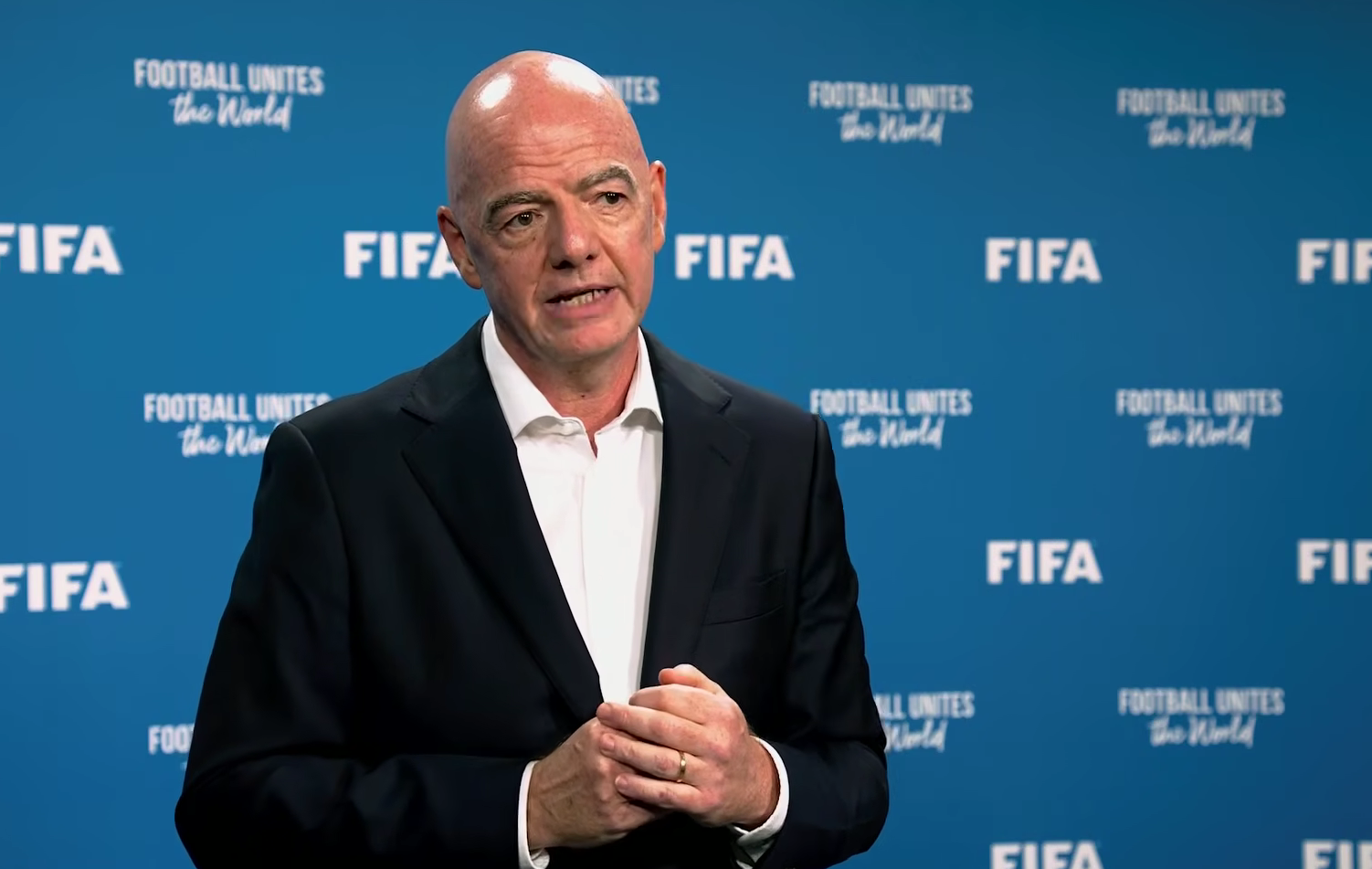
The UEFA boycott threat came just two days after FIFA President Gianni Infantino unveiled the FIFA Forward Enterprise (FFE), a proposed $20 billion subsidiary that would consolidate the organization’s commercial and event operations. The plan would reportedly involve selling around 20% of the new entity to outside investors led by Joshua Kushner’s Thrive Eternal fund.
The opposition has quickly spread beyond Europe. CONCACAF rejected the proposal after its own meeting, while the Asian Football Confederation also expressed strong reservations. AFC President Sheikh Salman bin Ibrahim Al Khalifa, who has generally been considered an ally of Infantino, warned that such an initiative could not succeed without the support of all the confederations.
The coordinated opposition from three of FIFA’s six continental confederations could threaten both the private equity proposal and Infantino’s political position. FIFA’s next presidential election is scheduled for March 2027 in Rabat, Morocco, meaning the dispute could have consequences well beyond the proposed investment structure.
Why UEFA is opposing FIFA’s plan
The FIFA Forward Enterprise plan, reportedly backed by J.P. Morgan, would establish a separate entity responsible for commercial and operational rights connected to the World Cup and other FIFA competitions. Thrive Eternal, founded by Joshua Kushner, would lead the proposed outside investment group. FIFA has reportedly set a September 19 deadline for its 211 member associations to consider the proposal.
The proposal includes significant financial incentives for FIFA’s member associations. Each association could receive an immediate $20 million payment, while increased annual funding through 2038 could bring the total value to roughly $86 million per member over the period. However, UEFA and other confederations have criticized the process, saying they were not properly consulted before the proposal became public.
UEFA has argued that allowing external investors to acquire ownership interests in FIFA competitions could fundamentally change how international football is governed. Its concerns center on the possibility that commercial expectations and shareholder interests could influence decisions about the international calendar, competition formats and the future direction of the sport.
A boycott could have enormous sporting consequences. European teams are among the most successful and influential participants in FIFA competitions, meaning the absence of UEFA nations would dramatically alter the World Cup. The current men’s world champions Spain, along with France, England and Germany, would be among the major European teams potentially affected by such a decision.
The consequences would also extend to women’s football. Several of the leading teams from the 2023 Women’s World Cup could potentially miss future FIFA competitions if the dispute remains unresolved. The first practical test of the boycott threat could arrive in September, when Poland hosts the Women’s U-20 World Cup with six European teams scheduled to participate.
FIFA has attempted to reduce the tension without abandoning the proposal. The organization said that nobody is selling football and argued that the FIFA Forward Enterprise would only be established if a majority of member associations supported it. FIFA also stressed that its members should have the opportunity to review the proposal and participate in decisions about its future.
That response has done little to stop the criticism. Political figures and supporters’ organizations have increasingly joined the debate, with British officials backing UEFA’s position and arguing that football should remain focused on fans rather than outside investors. Football supporters’ groups have also expressed concerns about the potential commercialization of the sport and the influence of private capital.
The controversy represents a dramatic change in Infantino’s political position. Just days before the proposal was announced, he appeared to have a strong path toward another term as FIFA president. The emergence of opposition from UEFA, CONCACAF and the AFC has now created a much more uncertain political environment ahead of the 2027 election.
The FIFA private equity plan has therefore developed into a much wider dispute over who should control the future of international football. Whether FIFA can persuade its member associations to support the proposal, or whether the growing opposition forces Infantino to abandon or substantially change it, could shape the governance and commercial structure of global football for years to come.