Montenegrin Deputy Prime Minister and Economic Development Minister Nik Đeljošaj described Ulcinj as an “Albanian city” in a social media post, reigniting debate over ethnicity and national identity in the country.
The statement followed a parliamentary dispute over Ulcinj’s municipal status during discussions on proposed amendments to Montenegro’s Law on Local Self-Government.
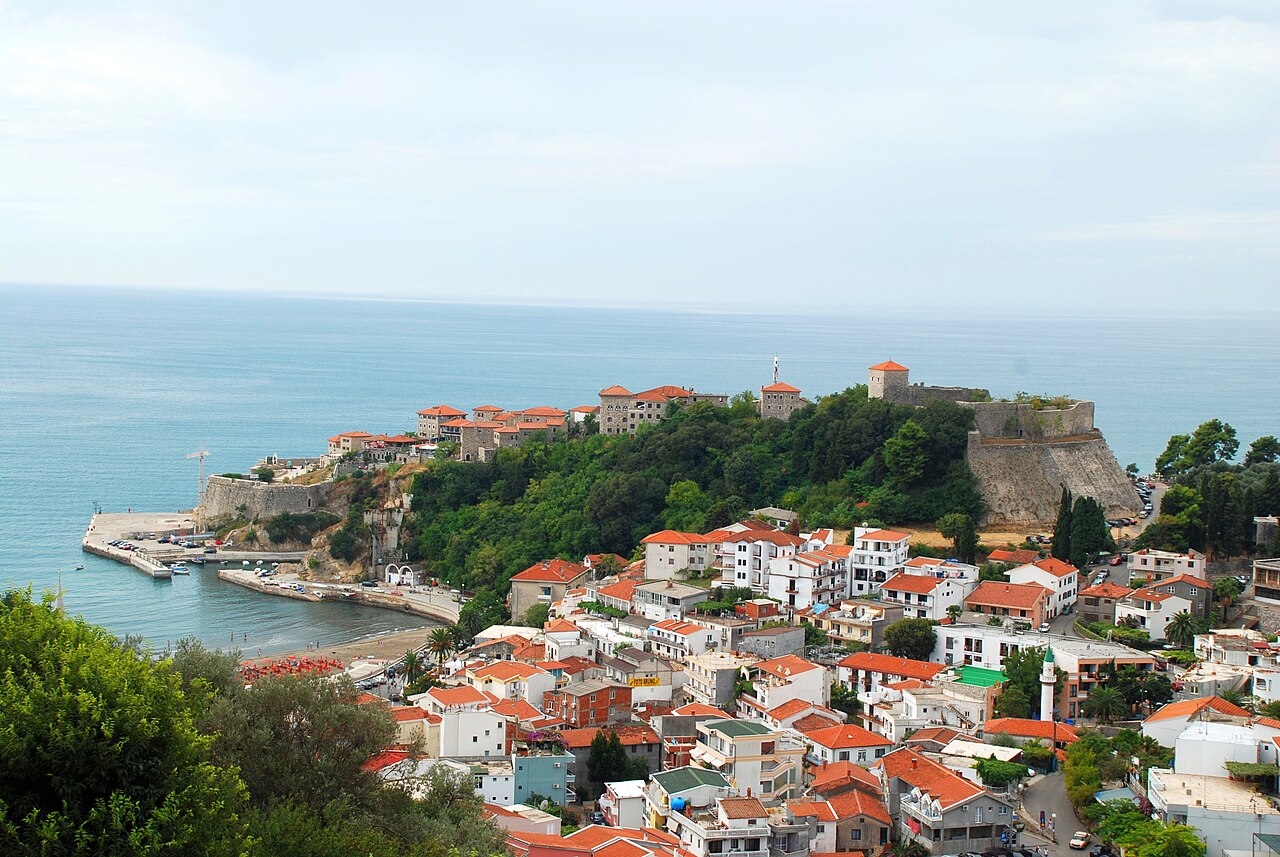
Đeljošaj shared an image featuring a panoramic view of Ulcinj, Montenegro’s southernmost municipality, alongside Albanian flags. He emphasized that the city has a majority-Albanian population and declared that it had always been and would remain a city.
He also claimed that Ulcinj was being held “captive” by politicians associated with corruption and predicted that it would be “liberated” in June 2027.
The Montenegrin government and the parties supporting its parliamentary majority had not publicly responded to his remarks at the time of the report.
Vladimir Dobričanin, an official with the United Montenegro party and a former member of Parliament, strongly criticized Đeljošaj’s statement. He said that while Albanians make up the majority of Ulcinj’s population, the city also belongs to its Serbian, Montenegrin, Bosniak and other residents.
Dobričanin called on the government to issue a clear response, warning that silence could deepen ethnic tensions.
A similar dispute emerged in Montenegro’s Parliament several days earlier after lawmaker Artan Čobi referred to Ulcinj during a speech. Boris Mugoša of the European Alliance asked whether Čobi had called it an Albanian city, arguing that all cities in the country are Montenegrin in a statehood sense, regardless of the ethnicity of their majority population.
Čobi later clarified that he had been referring to the historical period when Ulcinj became part of Montenegro as a city with a majority-Albanian population.