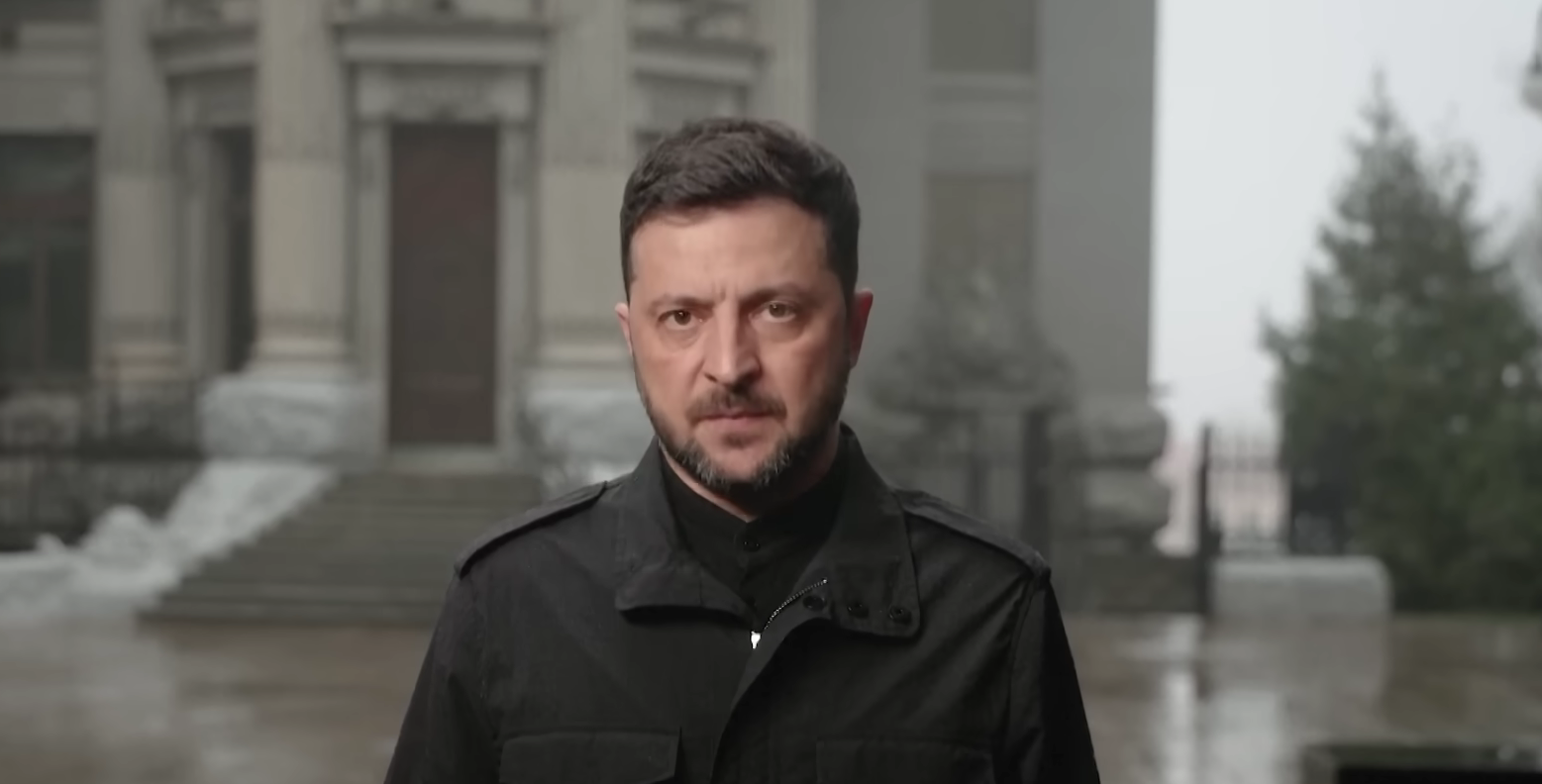
Ukrainian President Volodymyr Zelensky is scheduled to arrive in Belgrade on Saturday, August 8, for his first official visit to Serbia. The trip has been planned for some time but repeatedly delayed, and it could mark a significant development in relations between Ukraine and Serbia, a country that has maintained close historical ties with Russia while also strengthening its connections with Ukraine and Western institutions.
The visit, confirmed by Serbian President Aleksandar Vučić’s office on August 6, comes amid reports that Serbia and Ukraine are exploring cooperation on defense production. Germany’s Frankfurter Allgemeine Zeitung reported that the two countries are considering joint drone manufacturing, potentially with financial backing from the United Arab Emirates. The newspaper also reported that artillery ammunition production could be discussed, although neither government has officially confirmed the reported plans.
According to the report, Oleksandr Kamyshin, a Zelensky adviser responsible for connecting Ukraine’s defense industry with European partners, has visited Serbia several times in recent years to examine potential locations for joint drone production. If the plans advance, they would represent a major expansion of defense cooperation between two countries whose relationship has historically been complicated by Serbia’s close ties with Moscow.
Serbia’s Balancing Act Between Russia and Ukraine
Defense cooperation between Serbia and Ukraine is not entirely new. Christopher Hill, a former U.S. ambassador to Serbia, told FAZ that Ukrainian officials approached his team in 2022 with a list of military materials urgently needed for the war. The United States subsequently supported the procurement of Serbian ammunition for Ukraine after determining that Serbia was capable of fulfilling the orders.
The weapons were understood to be transferred to Ukraine through third countries, including Poland and the Czech Republic. According to FAZ, Moscow was aware of the arrangements and repeatedly warned Belgrade about its military cooperation with Ukraine. Russian President Vladimir Putin reportedly confronted Vučić over the issue during a meeting in Beijing.
Hill said Washington wanted Serbia’s involvement to be viewed as part of a longer term relationship with Ukraine rather than as an attempt to profit from the war. He also argued that Serbia could contribute more significantly to Western efforts than simply participating in sanctions against Russia. According to Hill, U.S. officials invested significant resources in encouraging Serbia not to deepen military cooperation with Moscow.
Serbia’s approach reflects a broader attempt to maintain relationships with both Russia and the West while the war continues. FAZ journalist Michael Martens has described Serbia as one of Europe’s most sympathetic countries toward Russia and Putin, but also argued that Belgrade does not appear convinced that Russia is on the verge of achieving a decisive victory in Ukraine. Serbia has therefore increased contacts with Kyiv without formally breaking its relationship with Moscow.
Energy remains one of the main constraints on Serbia’s foreign policy choices. The country continues to depend heavily on Russian gas, and any major disruption could affect investment decisions and economic planning. At the same time, Serbia and Ukraine are working toward a free trade agreement that could potentially be concluded in early 2027.
Economic ties could become another important part of the relationship. Serbian Chamber of Commerce President Marko Čadež has highlighted the potential benefits of closer commercial cooperation, particularly Ukraine’s technology sector and Serbia’s growing technology industry. A free trade agreement could create additional opportunities for businesses in both countries as Ukraine begins planning its longer term economic recovery.
The potential drone project would also build on Serbia’s existing defense industry partnerships. In April 2026, Serbia announced plans for a joint drone manufacturing facility involving Israeli defense company Elbit Systems and Serbian state arms exporter SDPR. The planned facility in the Simanovci industrial zone near Belgrade is expected to produce short range armed drones and longer range unmanned aircraft.
Whether Zelensky’s Serbia visit produces concrete defense agreements or primarily serves as a political signal, it highlights the changing strategic environment in the Balkans. Serbia continues to maintain important links with Russia, but its expanding economic and defense contacts with Ukraine and Western partners suggest that Belgrade is increasingly preparing for a future in which its strategic interests are more closely connected to Europe.