Serbia could introduce a bottle deposit system in 2027, adding a refundable charge of 10 to 15 dinars to every eligible beverage container.
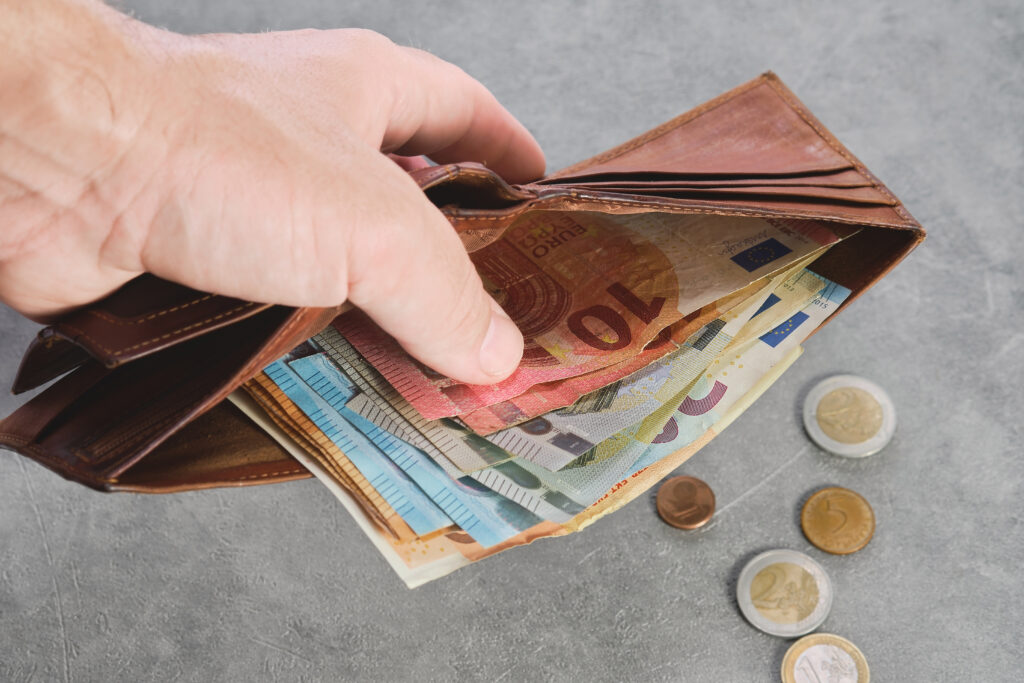
Consumers would recover the full deposit after returning an empty bottle or can to a participating store. The proposal aims to increase collection and recycling rates while reducing packaging waste in landfills and nature.
The Ministry of Environmental Protection has announced plans to launch the program in 2027. However, the legal amendments required to establish the Serbia bottle deposit system have not yet been adopted.
How the Serbia Bottle Deposit System Would Work
Consumers would pay a deposit when purchasing a drink in single-use packaging. A smaller container could carry a 10-dinar deposit, while a larger bottle or can could require 15 dinars.
Stores would refund the money when customers return the empty packaging. Depending on the store’s size, returns could be processed through automated collection machines or manually by employees.
Retailers would play a central role because they would collect the containers and issue refunds. Producers would finance the program through fees, while a dedicated nonprofit deposit organization would manage the overall system.
The organization would coordinate transportation, financial transactions and packaging tracking. Its goal would be to ensure that the system remains transparent, efficient and financially sustainable.
The program would follow the extended producer responsibility principle. This means that companies placing packaging on the market would carry most of the financial burden.
Funding would come from producer fees, revenue generated by selling collected materials and deposits from packaging that consumers never return.
The Serbian government would act as a regulator rather than a direct financial contributor. It would establish the legal framework, supervise operations and ensure equal participation among companies.
Experts believe that a phased rollout would be the most practical approach. The first stage could cover PET plastic bottles and cans, followed later by glass and multilayer cardboard packaging.
Serbia currently has only a voluntary deposit arrangement for certain reusable glass bottles. Deposit amounts and return rules vary among producers and retailers, while PET bottles and cans remain outside that limited system.
Recycling Rates Remain Far Below the EU Average
Serbia currently recycles only 15.45% of its municipal waste, compared with an EU average of approximately 49%.
Only 28% of Serbian residents have access to an organized recycling system. Meanwhile, 13.6% of waste ends up outside the official system, including in illegal dumps or the natural environment.
PET packaging presents a particular challenge. Serbia is targeting an 80% collection rate, which European experience suggests is nearly impossible to achieve without a deposit system.
Countries that have introduced refundable packaging deposits have achieved collection rates exceeding 90%. These programs also produce higher-quality recycled materials that manufacturers can use in new packaging.
As part of its alignment with EU standards, Serbia has committed to meeting several packaging recycling targets by 2030. These include 85% for paper and cardboard, 75% for glass, 60% for aluminum and 55% for plastic.
A national packaging waste plan for 2025–2029 calls for increasing the overall recovery rate to 72% and the recycling rate to 65% by 2029.
Serbian companies must also prepare for the EU Packaging and Packaging Waste Regulation. Starting in 2030, packaging with a recyclability rate below 70% will not be permitted on the EU market.
Jelena Petljanski, president of the Alliance for Circular Packaging, said recycling is therefore not only an environmental issue. It also affects the competitiveness of Serbian companies and their ability to preserve exports.